The key facts
- Sharjah temporarily closed all beaches on October 28 as a precautionary measure
- The ministry confirmed the pollution on October 22; the oil slick had been expanding since October 19
- The cause of the spill and the tanker have not been identified; the fuel smell in the air has been deemed safe for health
Sharjah joins beach closures
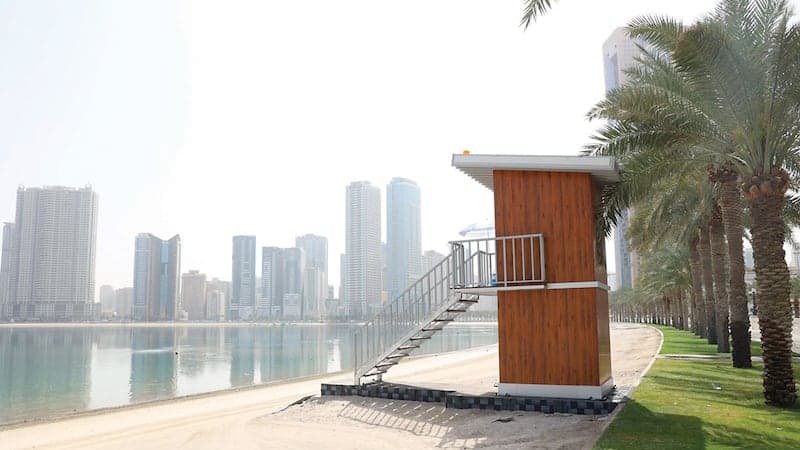
Sharjah announced on October 28 the temporary closure of all its beaches as a precautionary measure against pollution following an oil spill off the coast of Umm Al Quwain, The National reports. Specialized teams of the emirate are working to protect the coastline and prevent pollution from reaching the beaches. Residents and those going out to sea are asked to follow official instructions and not to spread rumors.
Timeline and scale
A team from the Ministry of Climate Change and Environment detected the pollution and confirmed it on October 22. The Umm Al Quwain Municipality immediately began clean-up, containment, cordoning-off and restoration work; all beaches and coastal areas of the emirate have been temporarily closed. According to Reuters, cited by The National, satellite images from the European Copernicus programme showed that the oil slick had been expanding since October 19 until Saturday, spreading toward the coast of Umm Al Quwain. Earlier, Sharjah had already closed the Al Hamriyah beach, and the authorities of Ras Al Khaimah announced on Saturday the closure of all public beaches of the emirate until further notice.
Cause not established, experts on priorities
The authorities have not named the tanker or confirmed the cause of the spill. In recent days, residents of the UAE reported a strong acrid smell of fuel in the air; the environment ministry stated that the smell poses no health risk, but advised staying away from oil that has washed ashore. Experts interviewed by The Nationalemphasized that the key task is to prevent the oil from reaching the shore: Rob Mortimer, head of Dubai-based Fuelre4m, noted that once oil comes ashore, clean-up and restoration require great effort, and the priority is to contain the slick with floating barriers (booms) to collect it from the sea surface. Professor Richard Thompson of the Marine Institute at the University of Plymouth added that a sandy beach is easier to clean than a rocky shore, mangroves or seagrass beds, where the oil comes into contact with organisms and clean-up becomes very difficult.