The key facts
- Attack at a funeral at St George's Church in Hamud: 34 wounded, the death toll in reports varies from 6 to 9
- Jordanian authorities called the incident a terrorist attack; according to The National, the three attackers have not been detained
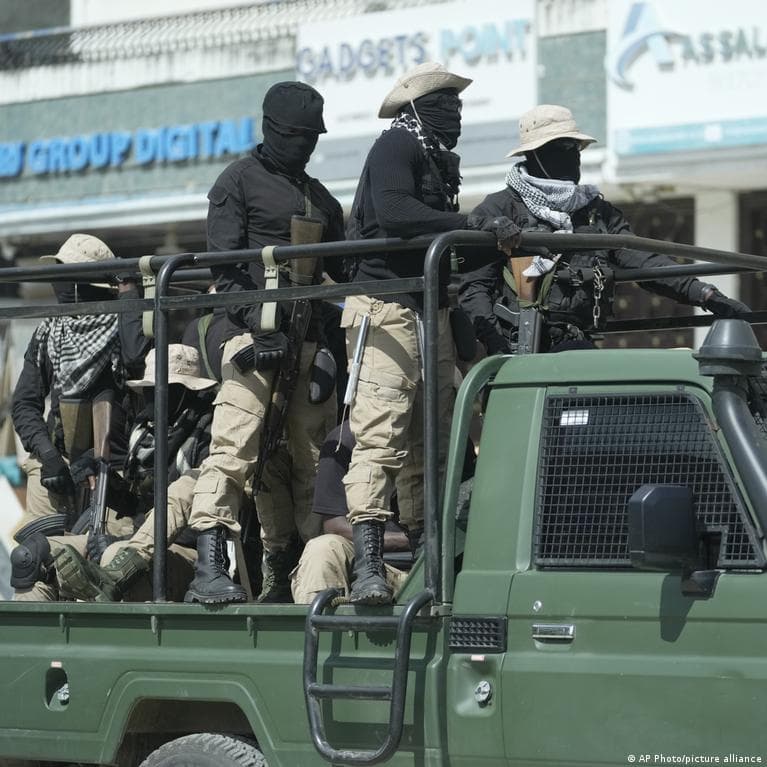
- Funerals for the victims were held; reinforced security forces were deployed at churches across the country
Attack during a funeral
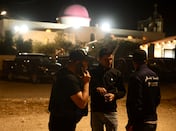
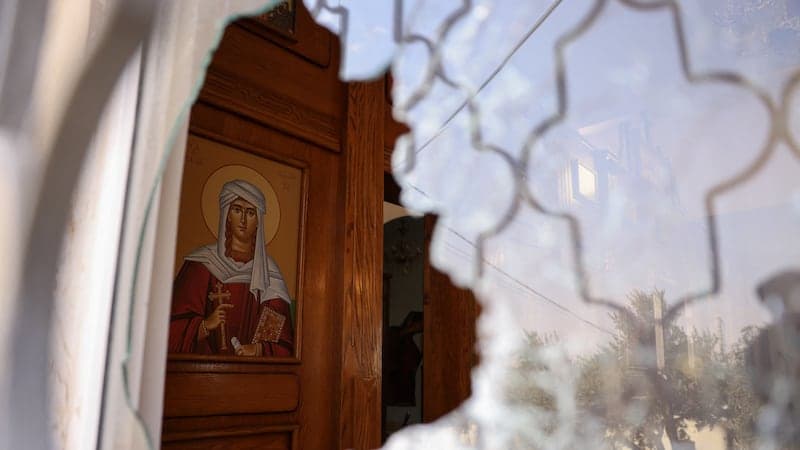
On Friday, 23 October 2026, armed men opened fire during a funeral at a Greek Orthodox church in the village of Hamud in Karak province, south of Amman. According to witnesses, the attackers arrived by car, fired at the mourners and fled. One witness said the shooting lasted about five minutes; according to varying accounts, between 150 and 200 people were inside and around the church at the time, and most of the victims were people aged between 50 and 70. Eyewitness Khalid al-Mdanat told BBC Arabic that the attack lasted about 15 minutes, and that the attackers left the church while firing back and drove away in a pickup truck. CCTV footage verified by the BBC shows three armed men with handguns heading towards the church.
Conflicting casualty figures
The death toll in early reports differed and changed. Deutsche Welle initially reported six dead and 28 wounded citing the Public Security Directorate, and later seven dead and 34 wounded citing the agency's head, Obaidallah Maaytah. The BBC also noted that the initial figure of seven dead was revised: a government spokesperson gave six, and then the count was raised back to seven. The National, in its 23 October report, already wrote of eight dead and 34 wounded, and on 24 October reported that the authorities had raised the death toll from seven to nine. Jordan's Ministry of Health said 27 wounded remained in hospital. The sources do not explain the discrepancies; the final death toll remains subject to clarification.
Government response and investigation
Jordan's Interior Minister Mazen al-Faraya called the attackers 'a group of extremists' and described what happened as 'unprecedented in the history of the Hashemite Kingdom'. According to DW, citing Roya News, he said the authorities know the names of the suspects but they have not yet been disclosed. King Abdullah II called the attack terrorist and promised 'the harshest retribution', and, according to The National, ordered a review of the policy on combating extremist ideology. The Royal Court released footage of the king's visit to the hospital to see the wounded; Queen Rania and Crown Prince Hussein visited the village on 26 October to offer condolences. No claim of responsibility has been made, and the authorities have not named the perpetrators; according to The National on 24 October, none of the three attackers had been detained.
International reactions and context
The attack was condemned by regional and world leaders: the UAE, Egypt, Saudi Arabia, Iraq, Syria, Qatar, Bahrain, Oman and Kuwait, as well as the United States, Canada, Germany, the EU and the UN. UN Secretary-General António Guterres, through his spokesperson, called the attack on a place of worship during a funeral procession especially 'heinous'. Lebanese President Joseph Aoun called the attack a 'heinous terrorist act'. The National notes that this is the largest attack on Christians in Jordan since the mid-1950s; the country's Christian community numbers about 250,000 people out of 11 million, and Karak has historically been one of its main centres. According to the outlet, the victims mostly belonged to the large Christian Halasa family, and doctors were among the dead. On 26 October, in Hamud, funerals were held for eight of the nine victims, attended by hundreds of people from across the country, including Muslim clerics; security forces were deployed at churches across the country during Sunday services, and checkpoints were set up on the highway to Karak.