The key facts
- The Chande Commission confirmed at least 518 dead and more than 2,000 injured; HRW and the commission's chair believe the real figure is higher
- The Chandaria Commission confirmed at least 518 dead and more than 2,000 injured; HRW and the commission's chair believe the real number is higher
- DW investigation: police likely acted beyond their instructions; the authorities and police declined to comment
- A second investigation led by Shaban Alli Lila has been gathering evidence since August 2026; its findings have not yet been made public
- A second investigation led by Shaban Alli Lila has been gathering evidence since August 2026; its findings have not yet been released
A year without answers for the families of the dead
A year after Tanzania's general elections held in October 2025, the relatives of those killed during the protests that followed are still waiting for explanations and official recognition of what happened. This is reported by a Deutsche Welle investigation, published to mark the anniversary of the events. One of the outlet's interviewees, named Raha (name changed for security reasons), said that her nephew, whom she had raised, was killed during the protests in Mwanza.
Contested elections and a harsh crackdown on protests
The violence began after an election campaign in which the leading opposition candidate was barred: Chadema party leader Tundu Lissu was arrested in April 2025 and charged with treason, and the party itself was not allowed to take part in the elections. On polling day and in the days that followed, protesters demanded political reforms and the resignation of Tanzanian President Samia Suluhu Hassan, which she later described as an attempt to overthrow the government. A government commission led by retired Chief Justice Mohamed Chande Othman (the Chande Commission) established that at least 518 people died from believe that the real death toll is higher:
What the DW investigation found
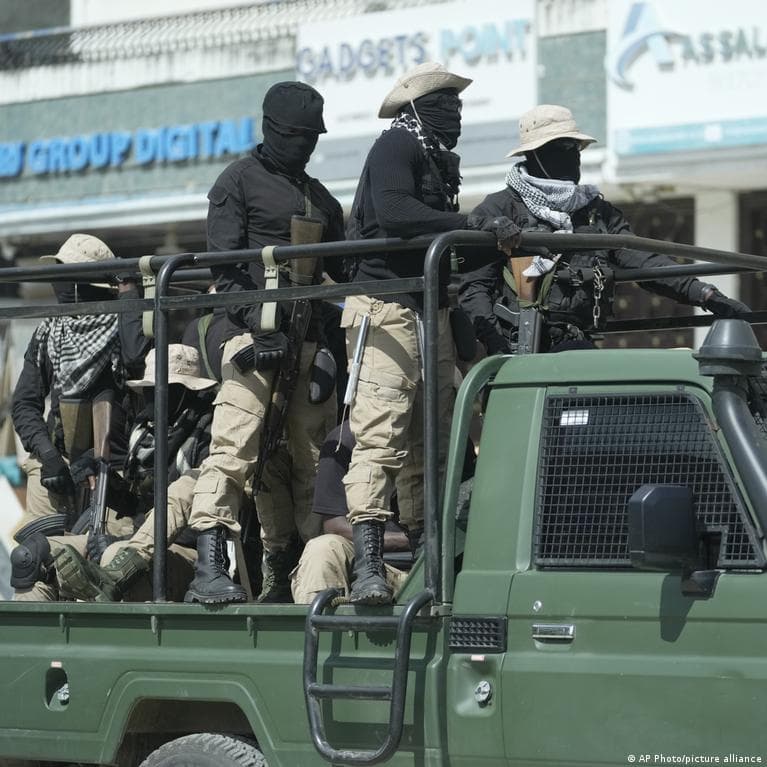
DW analysed dozens of video recordings, interviewed sources, examined police instructions and obtained a leaked internal police report. The outlet notes that the exact location and date of each recording cannot be established — some material surfaced later due to internet shutdowns or was published anonymously out of fear of reprisals. However, the combination of footage, source testimony and the internal report, according to DW's conclusions, indicates that the police likely acted beyond their instructions and training: the material includes cases of people who were not taking part in the protests being killed, protesters shot in the head, as well as beatings and humiliation of people by individuals in uniform. The special Field Force Unit, recognisable by its red berets and riot-control equipment, appeared repeatedly in the footage. The organisation Centre for Information Resilience documented incidents in Dar es Salaam, including the beating of civilians with batons; in Mwanza, videos captured the bodies of young men who, according to available information, were killed by people in police uniform while watching television in a video hall — this case was also mentioned by HRW and flagged by the Chande Commission for further investigation. Tanzanian police instructions permit the use of firearms only in absolutely necessary cases, yet the investigations recorded head and upper-body injuries, as well as the deaths of non-protesters while trying to flee or during the curfew imposed by the authorities.
Who bears responsibility — an open question
The key question of accountability remains unanswered. 'The commission essentially did not tell us who is responsible and why,' noted security analyst Nicodemus Minde. The Chandaria Commission recommended continuing the investigation, but did not name any security agencies, individual officers, or commanders who may have been involved. The presence of a police unit at the scene of an incident does not, in itself, prove who gave the order or whether the top leadership sanctioned the use of unlawful force. DW contacted Tanzania's Ministry of Home Affairs for comment on the allegations of excessive force, but the ministry declined to respond, citing interference in the judicial process; the police had also not responded by the time of publication. In August 2026, a second investigation, chaired by retired judge Shaban Alli Lila, began gathering evidence — its findings have not yet been made public, and for the families of the victims, by their own account, neither investigation has so far restored trust.