The key facts
- US Secretary of State Marco Rubio visited Samarkand; the C5+1 format first met there on November 1, 2015
- Political analysts link the visit to US geopolitical and economic interests in the region between Russia and China
- According to Karimov, Washington offers cooperation without conditions of geopolitical choice
Rubio's visit to Samarkand and the history of the C5+1 format
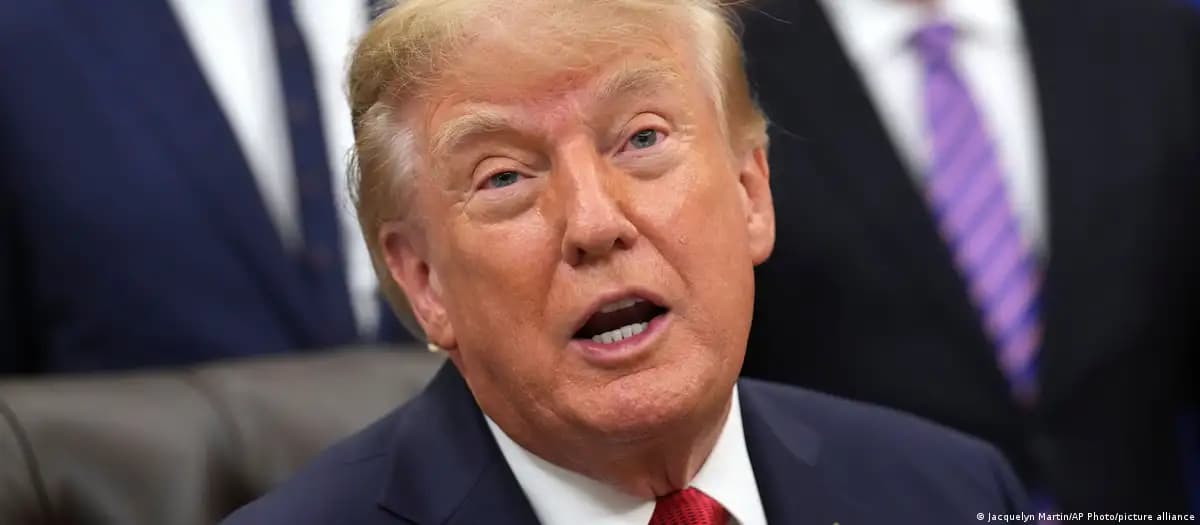
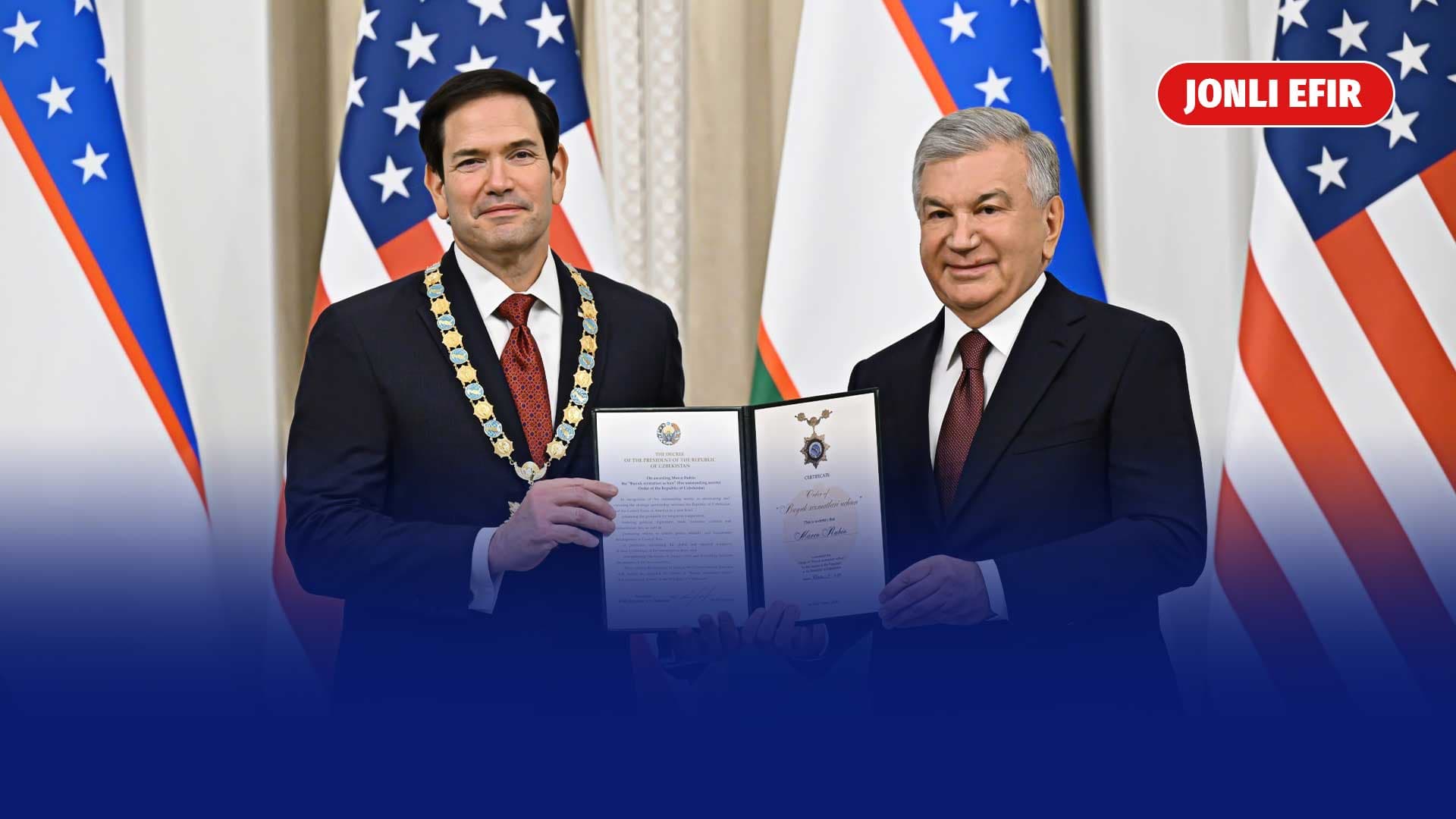
US Secretary of State Marco Rubio visited Samarkand, and political analysts link this visit to the C5+1 dialogue format. Political scientist Shukhrat Rasulov recalled that the first meeting in this format took place in Samarkand on November 1, 2015. In his view, the US offered this format to the Central Asian countries for two main reasons: the region holds strategic importance for Washington because it lies between Russia and China, and the Trump administration, despite the updated interpretation of the Monroe Doctrine put forward upon taking office, seeks to maintain geopolitical influence around the world. Rasulov noted that after the first meetings, C5+1 became a regular mechanism of communication, although meetings were not held every year: after 2015, the dialogue continued in 2016, then in 2020, 2021 and 2022, after which there was another pause. In February 2025, the leaders of the Central Asian states were invited to the United States, and a new meeting with the countries of the region is planned for 2026.
Geopolitical motives and an offer without conditions
Political scientist Farkhod Karimov pointed out that the US competes with China not only in Southeast Asia but also in other regions. In Eurasia, this competition is hindered by America's geographic position: the country is far from the region, and its options for direct influence are limited. Therefore, in his words, it is important for Washington to strengthen the independence of the region's countries and expand their ability to pursue an independent policy toward Russia, China and other major powers. This approach, Karimov noted, on the one hand serves the interests of the region's countries, and on the other serves US geopolitical goals. He emphasized that Rubio's visit to Central Asia against the backdrop of ongoing global crises shows that Washington attaches serious importance to relations with the region. Karimov also drew attention to a point highlighted in the American press: Washington offers the Central Asian countries cooperation without imposing conditions of geopolitical choice, even though the countries of the region often face the need to make such a choice when building relations with major powers — something the leader of Uzbekistan has previously spoken about openly. Rasulov added that Rubio's visit and the C5+1 dialogue are tied precisely to US geopolitical and economic interests, and that the economic aspects, in his words, were to be elaborated in more detail by his colleagues.
Significance of the event
For Uzbekistan and the entire region, the US Secretary of State's visit means the resumption of an active phase of dialogue with Washington after the pauses reflected in the history of the C5+1 format. In practical terms, this is a continuation of regular high-level contacts in 2026, this time with the personal participation of the head of American diplomacy. At the same time, as political analysts note, the offer of cooperation without the condition of choosing between major powers reduces the acuteness of the dilemma that the region's countries, according to the leader of Uzbekistan, regularly face; the final outcomes of the meeting and the economic details are not disclosed in the publication.