The key facts
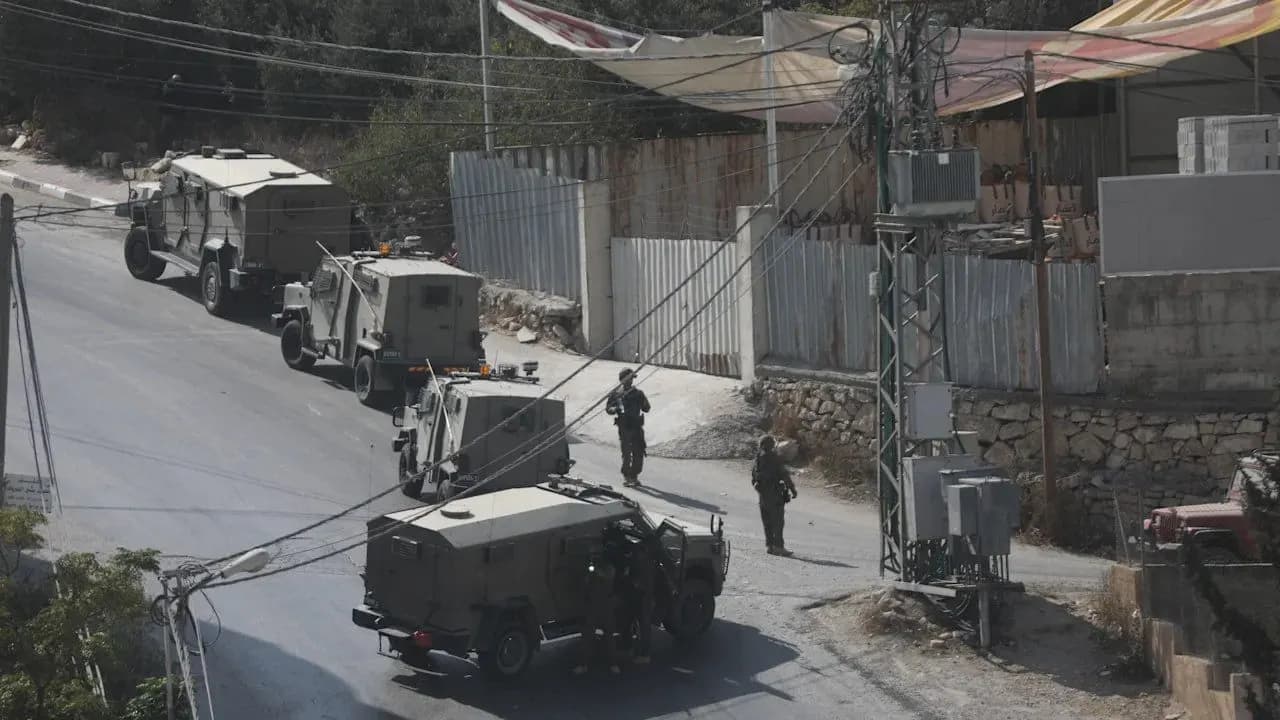
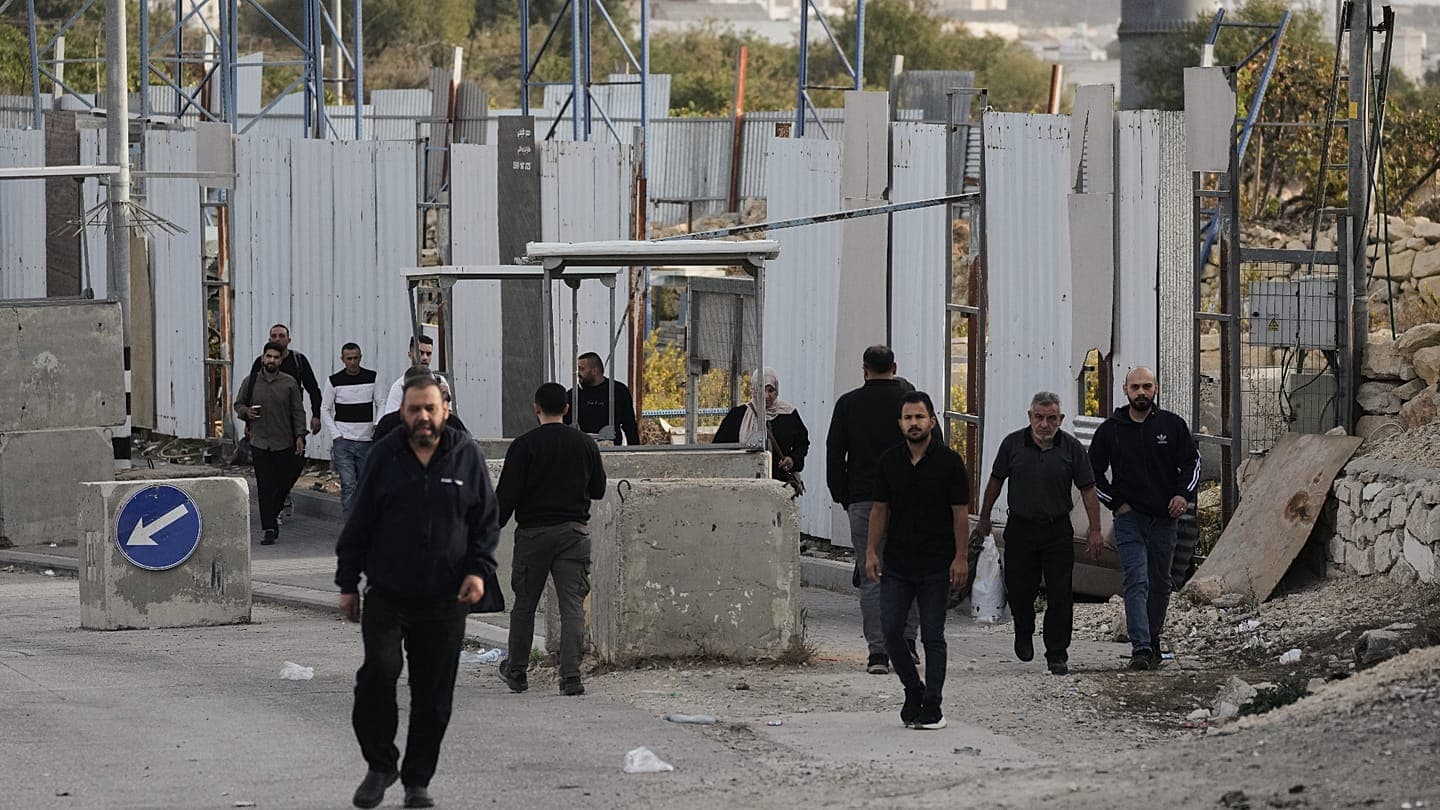
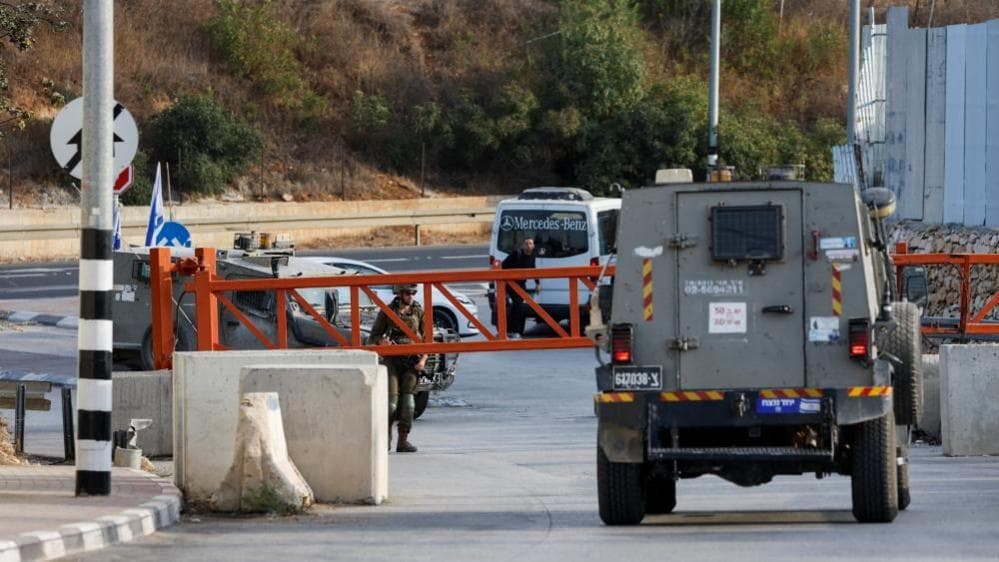
- The Israeli army said the operation in Hebron would last 'several days'; all entrances to the city are closed, with exits only through three designated points after inspection
- The Israeli army announced that the operation in Hebron would last 'several days'; all entrances to the city are closed, with exit only through three designated checkpoints after inspection
- Palestinian media named the suspects as Mohammad Jabara and Firas Jabara, both 27; the army said they were planning a 'large-scale' attack
- Palestinian media name Mohammad Jabu and Firas Jabu as the suspects, both aged 27; the army said they were planning a 'large-scale' attack
- Activist Issa Amro reported 250 displaced families and about 250,000 people locked in the city; B'Tselem called the operation part of 'ethnic cleansing'
Operation after checkpoint shooting
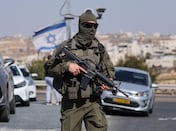
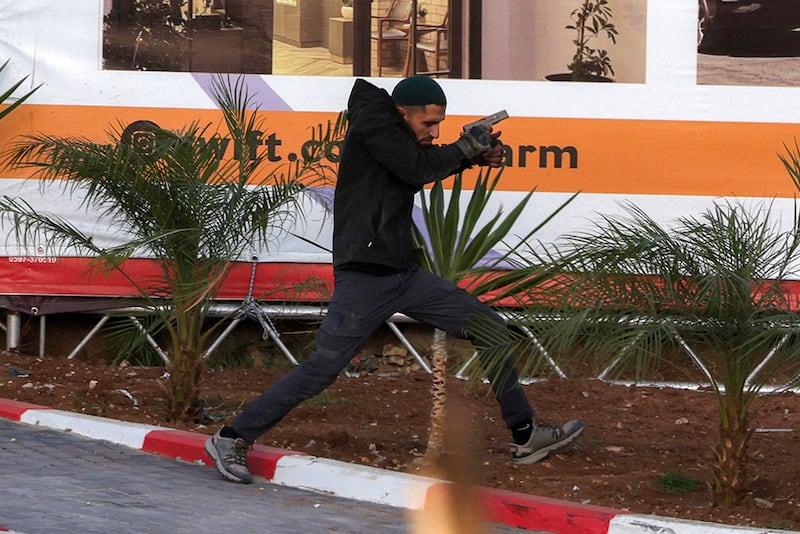
Israeli forces have launched a multi-day operation in the Palestinian city of Hebron (Al-Khalil) in the occupied West Bank. The trigger was a shooting at a military checkpoint near the city on Friday: five people were wounded, two of them reportedly in critical condition, and two Israeli soldiers later died. The army said it killed two suspects armed with a rifle and a pistol, and stated that they had been planning a 'large-scale' attack on Israelis. Palestinian media identified them as relatives — Mohammad Jabara and Firas Jabara, both 27 years old, natives of Hebron. Prime Minister Benjamin Netanyahu ordered a 'full closure' of the West Bank after the incident.
Sealing off the city and military actions
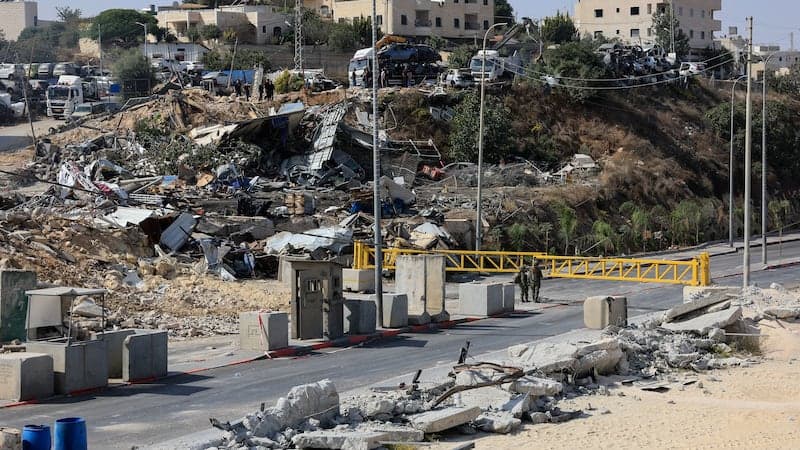
According to the Wafa agency, all entrances to the city have been blocked. The army said the operation will last 'several days', and residents will be able to leave the city through one of three designated exits after 'questioning and inspection'. On Friday, Israeli forces demolished a residential building in the Farsh al-Hawa area west of the city and barred residents from entering or leaving that zone, Wafa reported. House searches and the detention of at least 13 people have been documented, as well as the forced displacement of dozens of families. Netanyahu confirmed that Israel would enter the neighbourhoods, remove residents and 'destroy the terrorist infrastructure'. Defence Minister Israel Katz wrote on X: 'The Jenin camp model is coming to Hebron,' referring to the destroyed camp in the north of the West Bank.
Reactions and displacement figures
Hebron activist Issa Amro said on Saturday that he could not leave his home, and stated: 'At least 250 families have been displaced in Hebron, including my sister Hayat and her seven children… About 250,000 people are locked in the city, while 1,000 families in the H2 zone remain in their homes. We are being collectively punished for something we did not commit and did not support.' Palestinian Authority Prime Minister Mohammad Mustafa spoke with the city's mayor, Yousef al-Jabari, about residents' needs amid 'invasions by Israeli occupation forces' and the forced evacuation of 'hundreds of Palestinians, mostly women, children, the elderly and the sick'. The Israeli human rights organization B'Tselem condemned the campaign: its executive director Yuli Novak said the organization 'urgently calls on governments and international institutions to act now, using all available means of international law, to prevent the forced displacement of Palestinian civilians, collective punishment and large-scale unlawful destruction in Hebron'. According to B'Tselem, Israeli actions in the north of the West Bank have already displaced at least 33,000 Palestinians.
Context and what remains unclear
The National notes that the Hebron area contains a number of Israeli settlements considered illegal under international law, and parliamentary elections will be held in Israel in three days, with Netanyahu having staked his campaign on national security issues. It is editorially important to stress: the link between the operation and the elections is context provided by the outlet, not an established causal connection. Independent data on the exact number of displaced people has not yet been confirmed — the activist's report (250 families) and Wafa's (dozens of families) differ in scale, and verifying them is difficult under the city's lockdown. It is also unknown how long the full closure of the West Bank will last and what the army's further plans in the city are.
Why it matters
The operation affects about 250,000 residents of Hebron, deprived of freedom of movementand hundreds of displaced families who, according to reports, have been cut off from housing and basic needs. The practical implications of the reported facts: movement around the city is possible only through three army-controlled exits after inspection, home demolitions and detentions continue, and a full lockdown of the West Bank is in effect under Netanyahu's decision. Also significant for the international agenda is that the Israeli human rights organization B'Tselem is calling on states to apply instruments of international law.