The key facts
- On Friday, two Palestinian gunmen killed two Israeli soldiers and wounded three more at a checkpoint near Hebron; both gunmen were killed.
- Israeli forces are demolishing houses and structures in the Ain Dir-Baha and Farsh al-Hawa neighborhoods; the number of displaced families varies: 150 (the governor), 250 (the mayor and an activist), about 2,000 people (Defense Minister Katz).
- Israeli forces are demolishing homes and structures in the Ain Dir-Baha and Farsh al-Hawa neighborhoods; the number of displaced families varies: 150 (governor), 250 (mayor and activist), about 2,000 people (Defense Minister Katz).
- Netanyahu announced the largest military operation in the West Bank since 1967; Israel's election will be held on Tuesday.
- Netanyahu announced the largest military operation in the West Bank since 1967; Israel's elections will be held on Tuesday.
The attack and the army's response
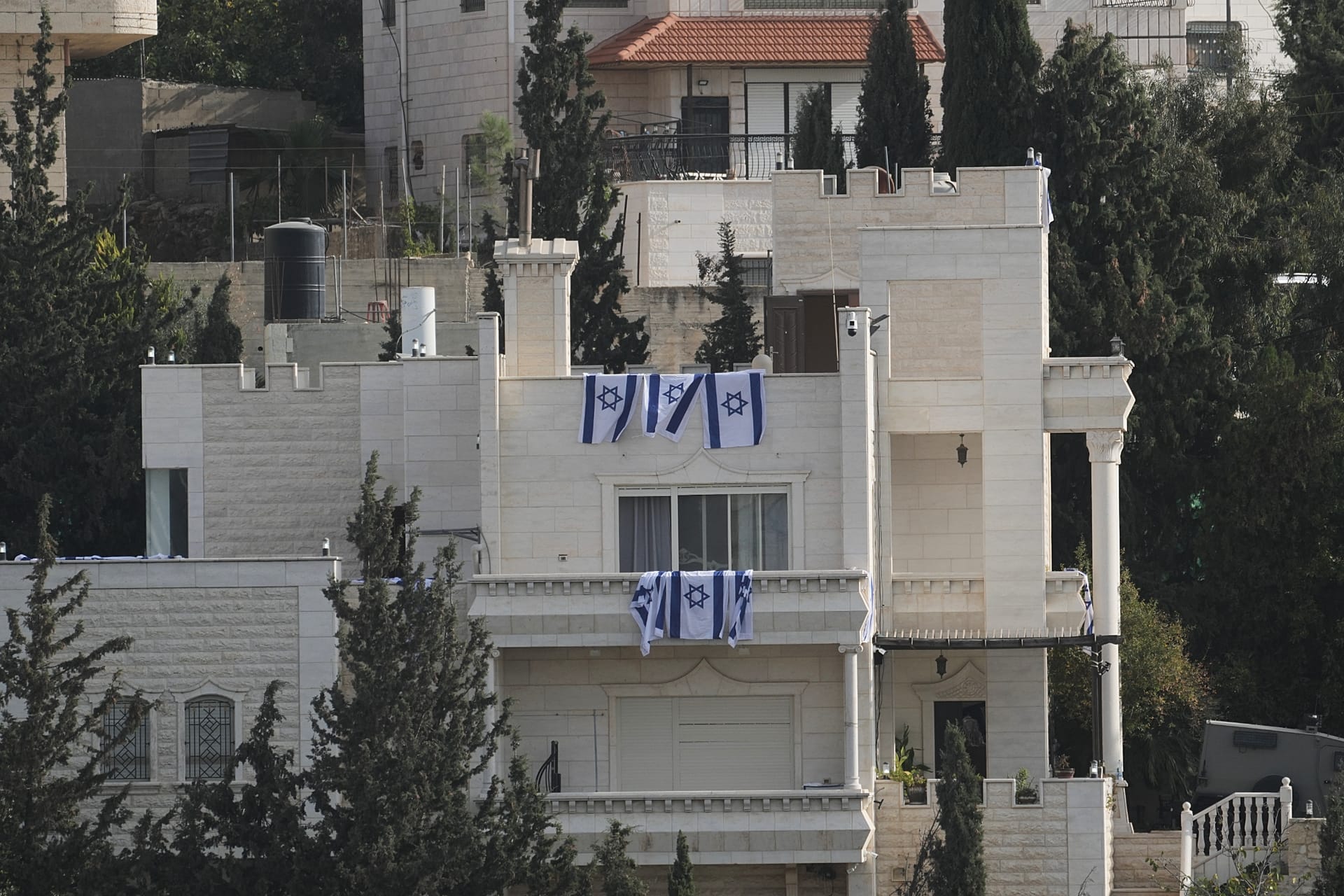
On Friday, October 23, two Palestinian gunmen attacked a military checkpoint near Hebron in the West Bank: two Israeli soldiers were killed and three were wounded. Both attackers were killed in the exchange of fire, Euronews reported. Prime Minister Benjamin Netanyahu announced a large-scale military response the same day and said that buildings around the site of the attack and the neighborhoods the gunmen came from would be 'destroyed', BBC News reports. Israeli bulldozers began demolishing buildings as early as Friday afternoon.
Eviction of residents and the blockade of the city
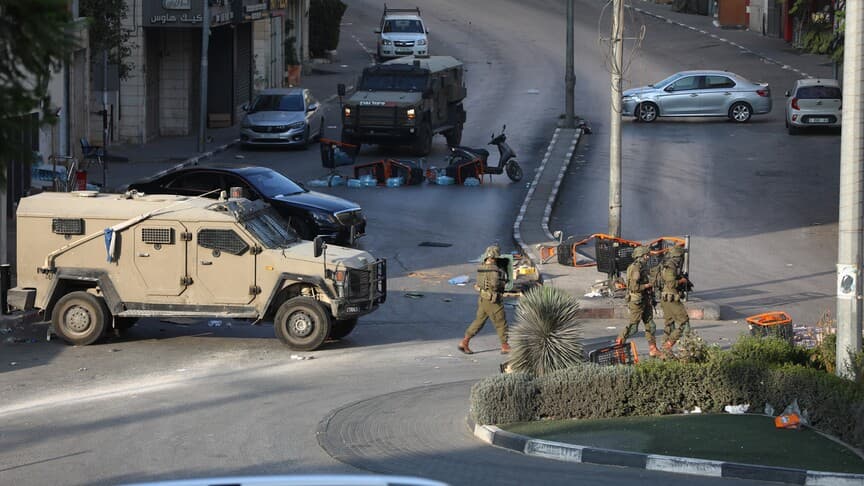
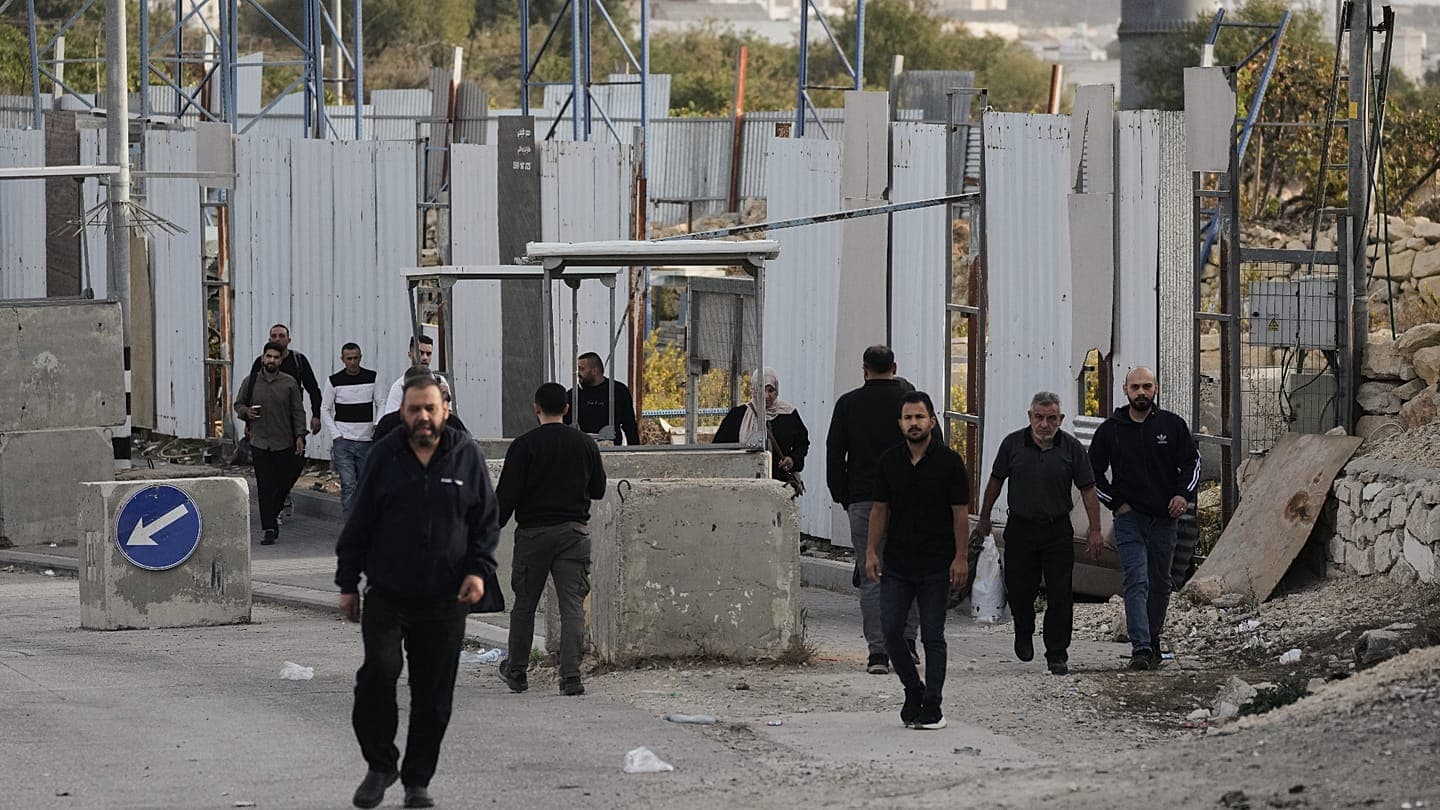
On Saturday, Israeli forces carried out a major operation in Hebron itself, focused, according to the army, on the neighborhoods linked to the attack — primarily Ain Dir-Baha and Farsh al-Hawa. The military says it is conducting 'targeted, precise and thorough searches', and that the operation will last several days. Residents are led out through designated exits where checks are carried out; cleared buildings in Ain Dir-Baha were marked with crosses, and the streets emptied, Euronews reported. All of the city's entry and exit gates are closed to vehicles, and Palestinians cross the checkpoint on foot. The number of displaced people varies by source: Hebron Governor Khaled Dudin spoke of 150 families, Mayor Yousef al-Jaabari and activist Issa Amro of about 250, while Defense Minister Israel Katz, according to BBC News, estimated the number of displaced at around 2,000 people. According to the mayor, as cited by the BBC, the army plans to evict a total of 2,500 people from about 0.35 square kilometers of the city. Local Palestinian officials said the operation affected roughly a third of the city; the army describes its actions as focused on specific neighborhoods. Governor Dudin called what is happening 'collective punishment of civilians who have nothing to do with what happened'. The mayor said the authorities are seeking shelter and assistance for the evicted; according to him, some families spent the night outdoors, and houses were marked with paint for demolition. The Israeli army did not respond to requests for comment from the BBC and Euronews.
Political context: elections and statements by Israeli politicians
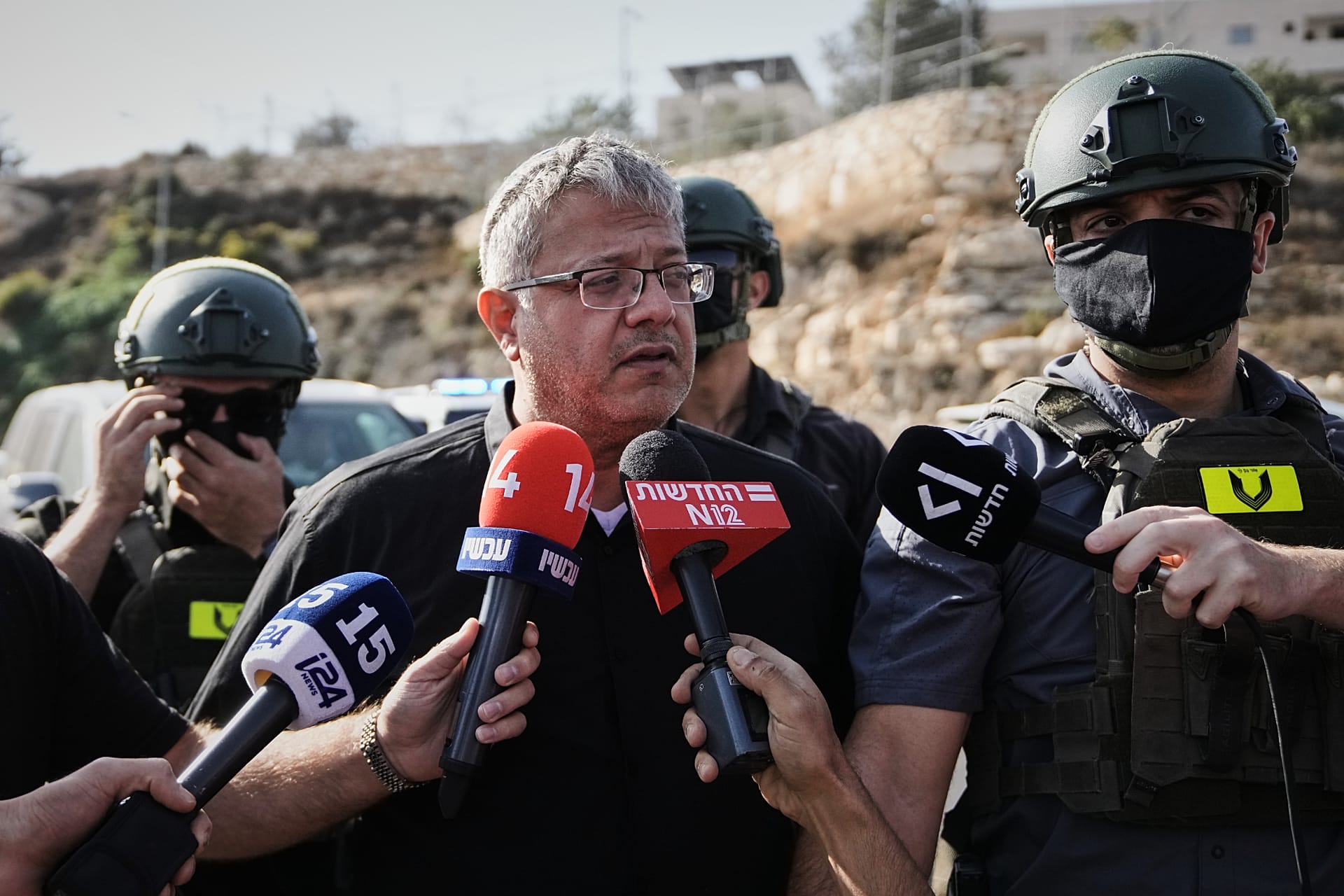
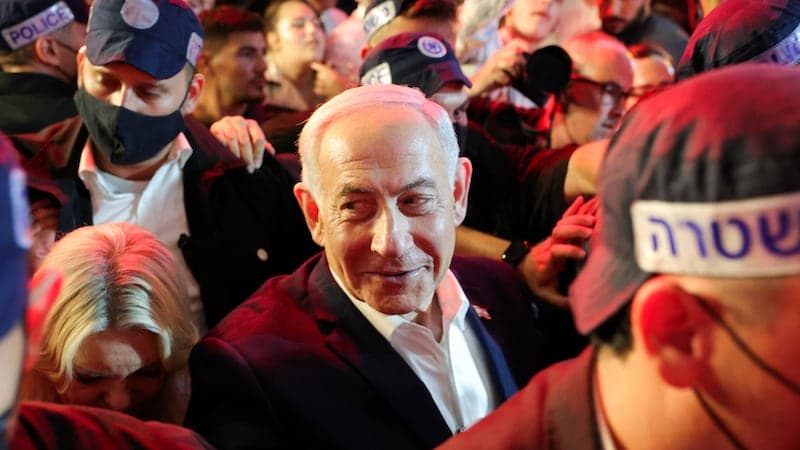
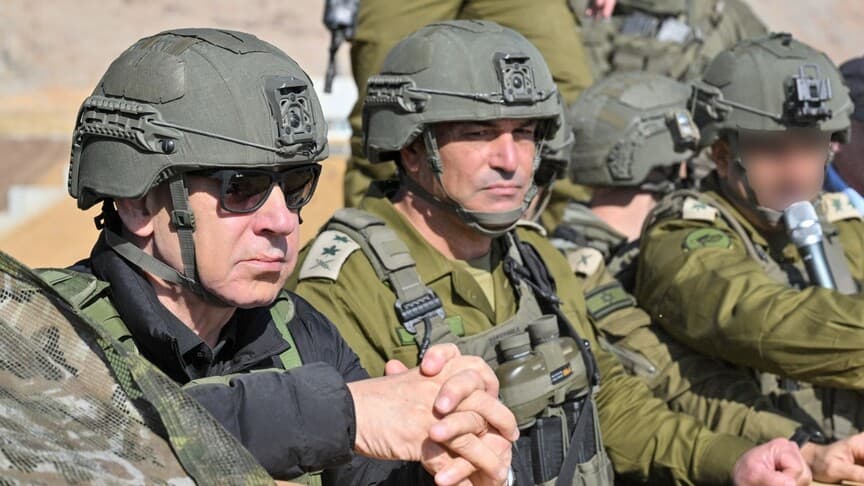
The operation comes days before Israel's general election, scheduled for Tuesday, in which Netanyahu is, according to polls, running 'neck and neck' with an opposition bloc led by former Chief of Staff Gadi Eisenkot. Netanyahu canceled his party's campaign events and arrived in Hebron in protective gear, declaring: 'We are evacuating residents, we will go from house to house, seize any weapons found and destroy the entire terrorist infrastructure'. He also said he had reviewed plans for the largest military operation in the West Bank since 1967, but did not specify when it might be carried out; it is unclear whether the current Hebron operation is part of it. In an interview with the i24 channel, he promised the Palestinian Authority 'a very big surprise.' National Security Minister Itamar Ben-Gvir called for dismantling the Palestinian Authority, and Finance Minister Bezalel Smotrich — for carrying out a campaign in the West Bank 'exactly like in Gaza or Lebanon,' BBC News reports. The Palestinian Authority called for 'urgent international action that goes beyond condemnation.' Hebron Mayor al-Jaabari, according to the BBC, called the operation 'election-driven' and said that Netanyahu and his ministers are trying to win over ultra-Orthodox and settler voters. Netanyahu himself again declared his opposition to the creation of a Palestinian state, noting that he had rejected pressure from three US presidents, Euronews reports. Eisenkot, according to Euronews, also opposes a Palestinian state, but promises to firmly curb settler violence.
The situation in the West Bank
Tension in the occupied West Bank remains high amid ongoing military operations and reports of violence involving settlers and Palestinians. The human rights organization Yesh Din reported 672 cases of settler violence over 26 days, nearly half of which are linked to the olive harvest, Euronews reports. The demolition of homes of Palestinians suspected of attacks is a common practice of Israeli forces, which Israeli human rights groups criticize as collective punishment, BBC News notes. Netanyahu compared the current operation to the 2025 actions in Palestinian refugee camps in the north of the territory, where the army demolished hundreds of homes and displaced tens of thousands of people.
Why it matters
The event affects about 200,000 residents of Hebron, whose movement is severely restricted, and hundreds of families left without housing on the eve of winter. The practical consequences are already being felt: the city is blocked to traffic, residents move on foot through checkpoints, and local authorities are forced to arrange temporary accommodation for the evicted. In addition, the operation is directly embedded in Israel's pre-election agenda — the elections will be held on Tuesday, and, as the participants themselves note, the political struggle between Netanyahu and the Eisenkot bloc depends on its course and scale. The exact scale of the evictions remains a matter of disagreement between Israeli and Palestinian sources, and the army has not commented.