The key facts
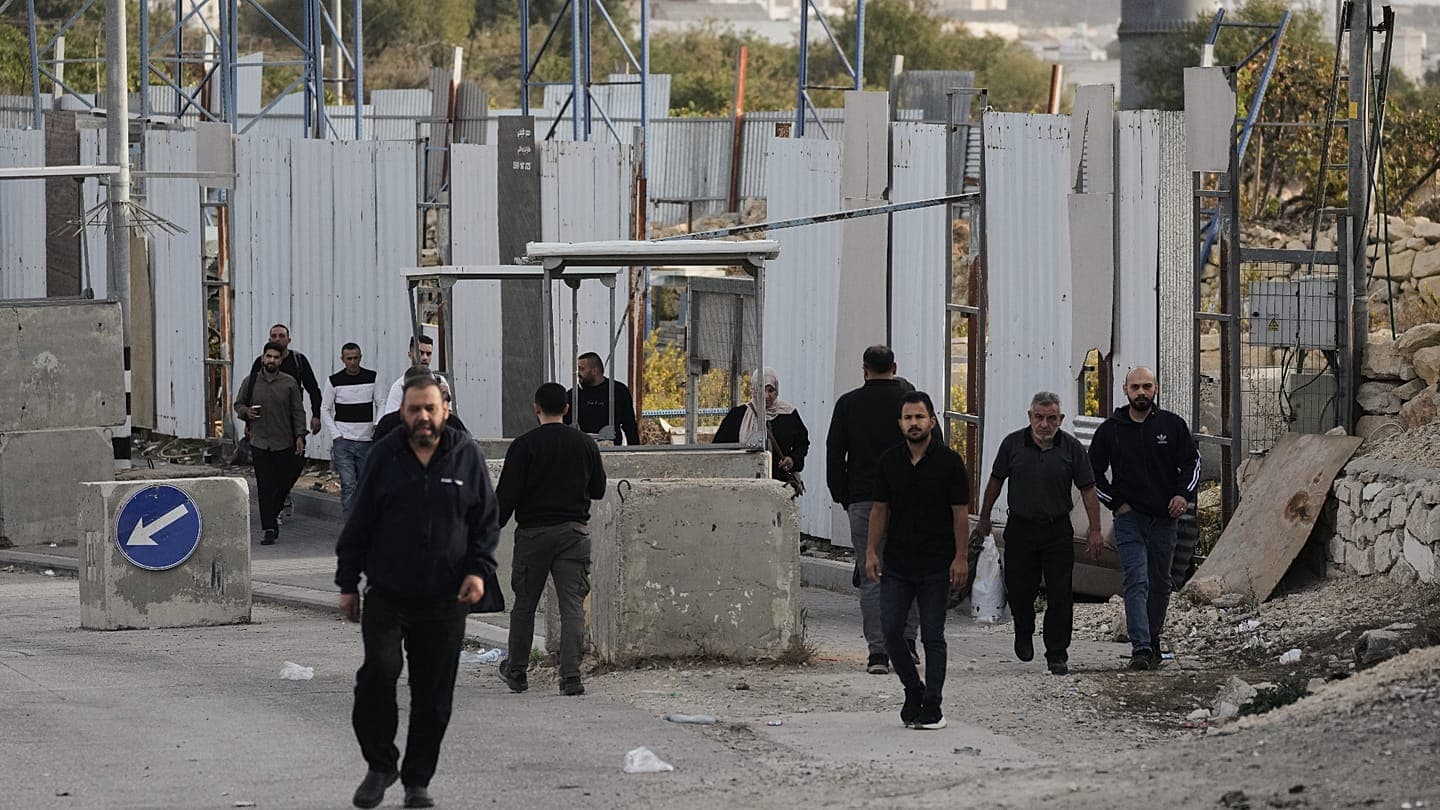
- All ground checkpoints in the West Bank will close on Tuesday, October 27, on the day of Israel's parliamentary elections
- All land crossings in the West Bank will close on Tuesday, October 27, the day of Israel's elections
- In the Hebron operation, according to Israel's Defense Minister, around 2,000 residents were displaced; Wafa reports over 200 families and 2,500 people
- Mass anti-government protests took place in Tel Aviv on Saturday ahead of the vote
- On Saturday, mass anti-government protests took place in Tel Aviv on the eve of the vote
Checkpoint closures and work ban
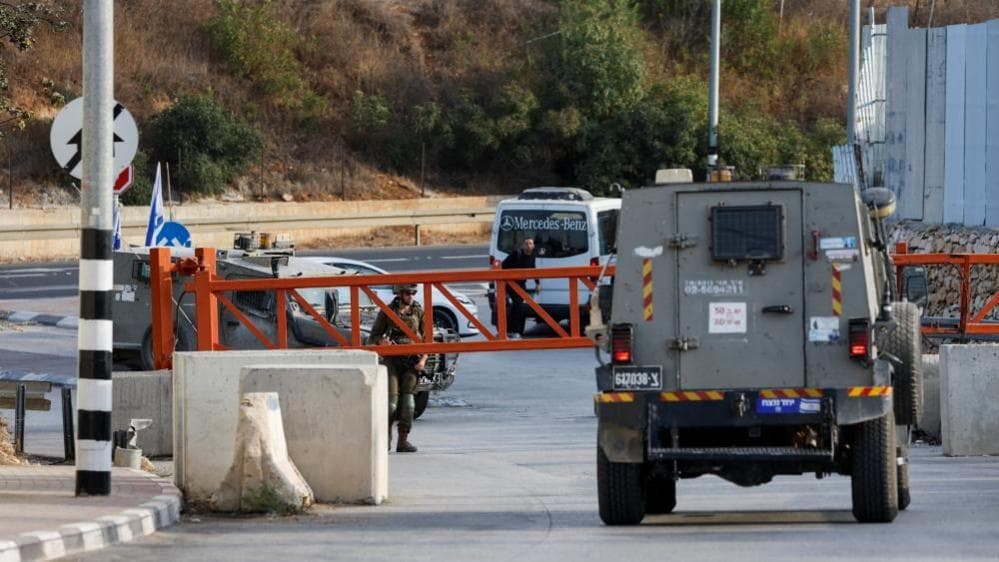
The Israel Defense Forces (IDF) announced on Sunday that all ground crossings between Israel and the West Bank will be closed on Tuesday, October 27, on the day of the parliamentary elections. Simultaneously, a ban on the entry and exit of Palestinian workers in Judea, Samaria, and the Jordan Valley, including industrial zones, is being imposed. From Sunday to Monday, workers are also prohibited from coming to work, except for industrial zones and several approved areas. This is reported by BBC News, euronews, and Deutsche Welle. According to BBC News, before the Hamas attack on October 7, 2023, more than 100,000 Palestinian workers were allowed into Israel, after which permits were restored only to a small portion of them.
Hebron operation and data on displaced residents
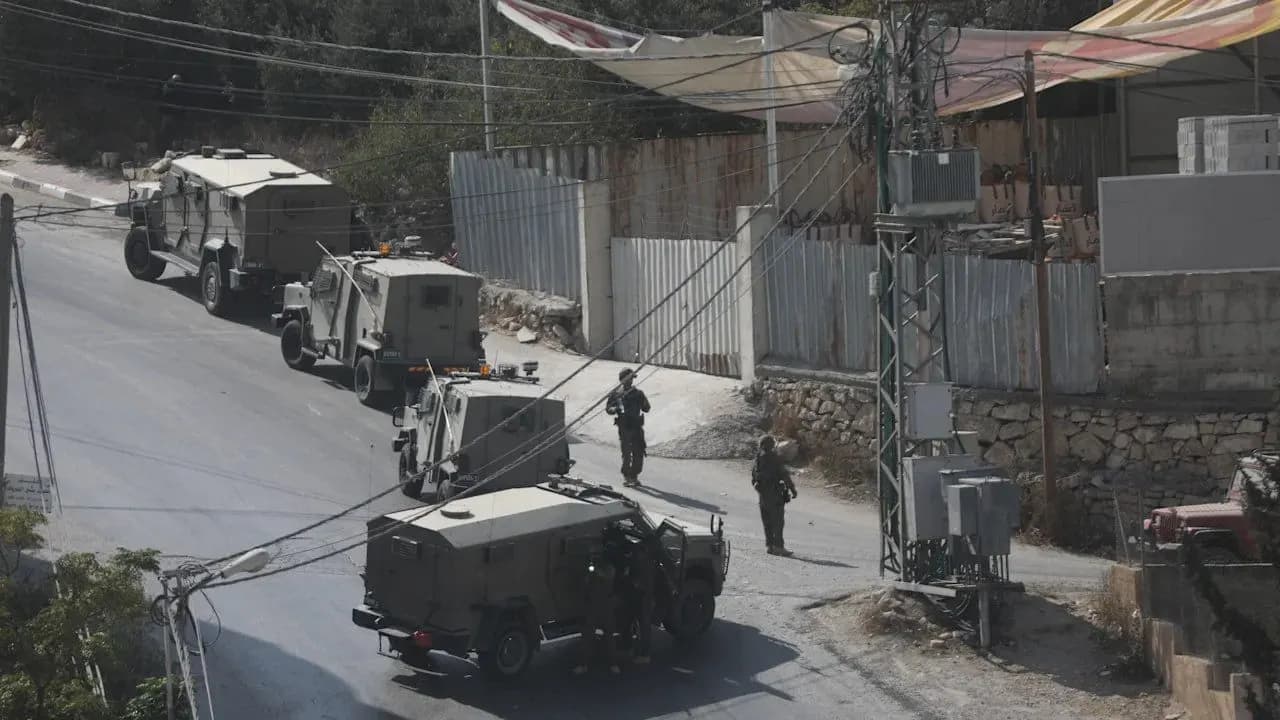
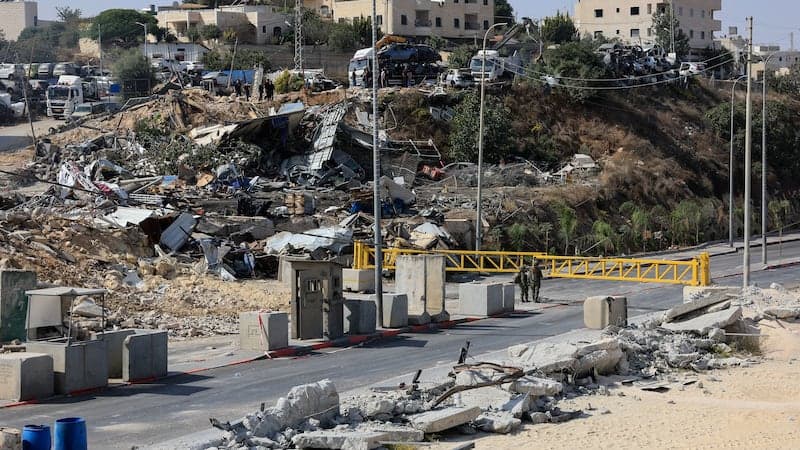
These measures are part of a major tightening on the occupied West Bank after Palestinian militants attacked a checkpoint near Hebron on Friday: two Israeli soldiers were killed, three were wounded, and both attackers were killed. Prime Minister Benjamin Netanyahu ordered the city to be sealed off and announced a large-scale operation, promising a response of a scale unseen since 1967, when Israel first occupied the West Bank. The IDF stated it operated in 40 areas of the West Bank and detained about 40 suspects, including those linked to Hamas and Islamic Jihad; Hamas welcomed the attack but did not claim responsibility for it. Data on the number of displaced residents varies: Defense Minister Israel Katz cited around 2,000 people, Hebron Mayor Youssef al-Jabari cited around 2,200, and the Palestinian agency Wafa reported over 200 families and about 2,500 people evacuated from the Al-Jilda and Ain Dir Bah areas. The IDF claims civilians could leave the area through designated checkpoints and that no one was forced to evacuate, while demolished structures posed a security threat and were built illegally. Human rights organization B'Tselem condemned plans for the forced expulsion of Palestinian residents and called on the international community to act immediately. A resident of the Ain Dir Bah area, 70-year-old Higazi Shauer al-Tamimi, told AFP that soldiers woke him at one in the morning and gave him little time to pack; his 90-year-old sick mother-in-law had to be carried out in their arms.
Political context ahead of the vote
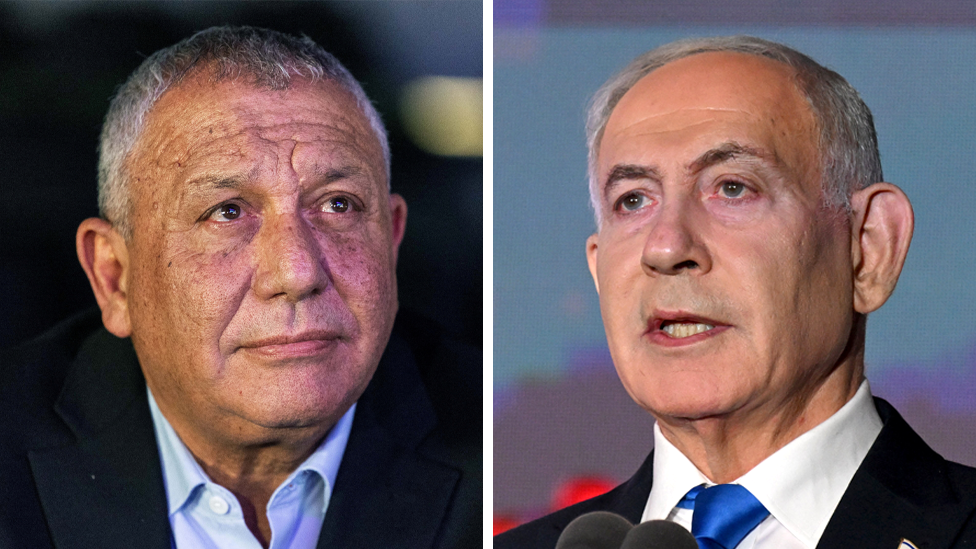
The events occur just days before the elections, in which Netanyahu, according to Deutsche Welle, is fighting a tough battle for a new term. In an interview with i24, he promised the Palestinian Authority a very big surprise. Hebron Mayor al-Jabari stated that the operation is driven by elections, and Netanyahu and his ministers are trying to secure votes from the far-right and settlers; a similar view was expressed by a Hebron resident interviewed by AFP. Finance Minister Bezalel Smotrich, overseeing civilian affairs in the West Bank, stated that he personally ordered the immediate demolition of several structures, writing that those who fight us will quickly realize they will pay a painful price. On Saturday, thousands of people took to the streets in Tel Aviv for an anti-government rally organized by the October Council, a group of families of those killed and hostages from October 7, 2023, demanding the establishment of a state commission of inquiry. Leaders of four main opposition parties participated in the rally, including former Chief of Staff Gadi Eizenkot, who, according to BBC News, is neck and neck with Netanyahu. Smotrich, according to Deutsche Welle, also holds a position in the Ministry of Defense, overseeing civilian affairs in the West Bank.
Why this matters
The decision affects thousands of Palestinian workers whose access to work in Israel and settlements is restricted at least from Sunday to Tuesday, as well as around 200,000 residents of Hebron, whose movement was already severely restricted before the ban was announcedIn practical terms, this means a complete suspension of border crossings with the West Bank on election day, along with continued demolitions and detentions. The discrepancy between sources on the number of displaced people — from 2,000 to 2,500 — has not yet been resolved, and the full consequences of the operation for the residents of Hebron remain unclear.
 Image source, Reuters
An Israeli army vehicle passes near the closed entrance of Hebron, in the Israeli-occupied West Bank
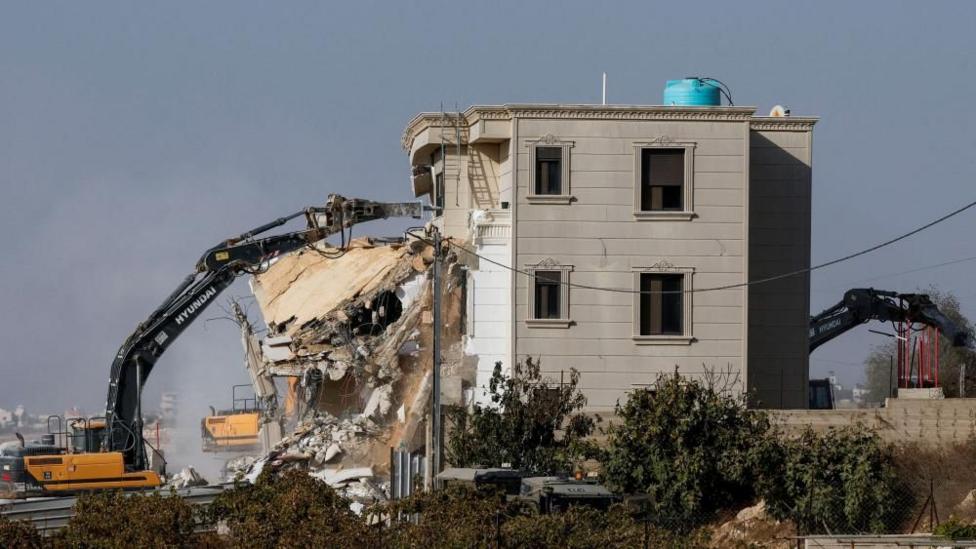 Image source, Reuters