The key facts
- The December 6, 2026 elections have been postponed indefinitely; a new date will be announced after discussion in the cabinet of ministers
- The reason cited is the absence of organizational and political conditions: parties have not held congresses and have not nominated candidates
- The crisis has continued since the military coup of November 26, 2025, when the army halted the electoral process before the results were announced
Elections postponed without a new date
The parliamentary and presidential elections in Guinea-Bissau scheduled for December 6, 2026, will not take place on time. The press secretary of transitional Prime Minister Ilídio Vieira Té, Ali Silva, confirmed to Deutsche Welle that the vote has been postponed indefinitely. No new date has been set: the government first intends to discuss the matter in the cabinet of ministers and only then announce it publicly. It remains unclear whether the elections will be held in 2027 or only in 2028.
Background: the coup of November 2025
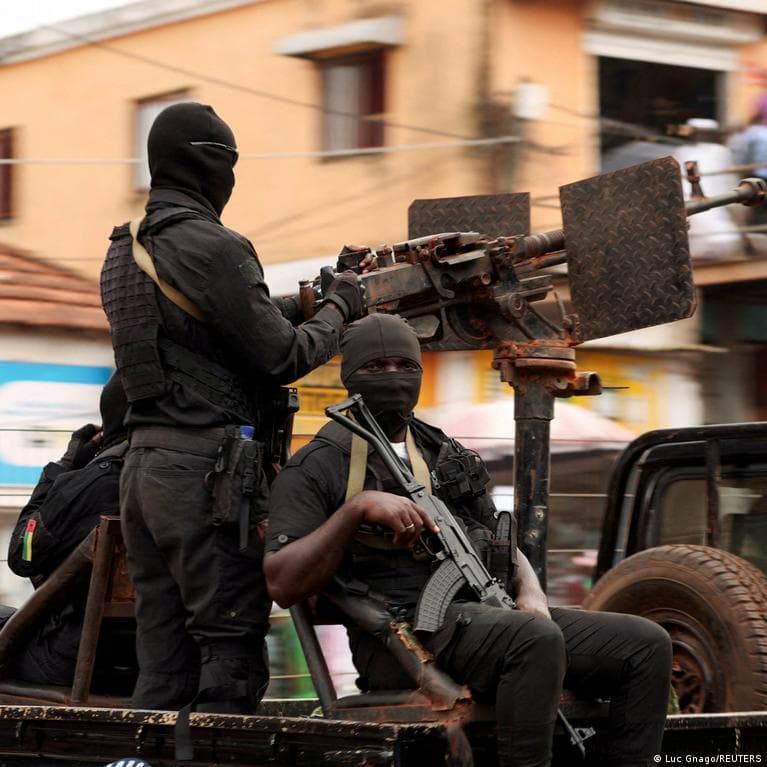
The political crisis began on November 26, 2025. Three days earlier, Guineans had elected a new parliament and president, but before the official announcement of the results, the military seized power and halted the electoral process. Then-president Umaro Sissoco Embaló and his rival Fernando Dias da Costa both claimed victory. The military leadership promised to return the country to constitutional order; on November 27, 2025, General Horta N'Tam was sworn in as transitional leader and commander-in-chief. The ousted Embaló has since lived in exile.
Official justification and analysts' skepticism
The transitional government explains the postponement by the absence of organizational and political conditions: the candidate registration deadline expired on October 6, parties did not submit applications and, according to the prime minister, did not hold congresses to nominate candidates. Jurist and political analyst Cabi Sanhá considers the postponement predictable: in his words, nothing was done to ensure the elections actually took place. In his view, the issue is not logistics but the lack of political will: political activity is restricted, parties and civil society are not involved in the process, and the mediation of ECOWAS and Senegal has so far yielded no results.
Opposition under pressure
Key opposition figures remain abroad. Domingos Simões Pereira, leader of the opposition PAIGC party, who was previously held in custody in a case involving an alleged coup attempt, received permission in July 2026 to travel to Portugal for medical treatment. His defense rejects the charges and calls the proceedings politically motivated. The absence of opposition figures and restrictions on political organization make it difficult to hold elections that are supposed to pave the way for a return to civilian rule.
Contested constitutional reform
The crisis has been aggravated by a dispute over constitutional reform. In the referendum of August 30, 2026, about 70% of valid votes were cast in favor of amendments expanding the president's powers and reducing parliament from 102 to 65 seats. The opposition boycotted the vote and questions the legitimacy of the process, since the reform was prepared under a military regime and without a regularly elected parliament. The press secretary of the National Transitional Council, Fernando Vaz, defends the changes, calling them not a complete overhaul of the constitution but a targeted revision for the sake of stability. Under the new rules, the president will be able to appoint and dismiss the prime minister and the government, and under certain conditions dissolve parliament. It remains disputed whether the reform will strengthen stability or concentrate even more power in the president's hands.
Local elections instead of national ones
The transitional government has announced plans to hold local elections in 2027 — the first in the country's history since independence. Sanhá broadly supports this idea but stresses that they must not replace national elections: parliamentary and presidential elections should come first, so that the country returns to constitutional order. In his words, local elections will not compensate for the deficit of democratic legitimacy at the national level, and political freedoms must be restored so that voters can genuinely choose between alternatives.