The key facts
- The Russian Foreign Ministry rejected Netanyahu's accusations as “unfounded”
- Netanyahu told i24 News that Russia “is helping Iran” and uses AI for bot networks
- The ministry recalled the unanswered 2018 cybersecurity proposal and linked the statements to the elections in Israel
The accusations and Moscow's response
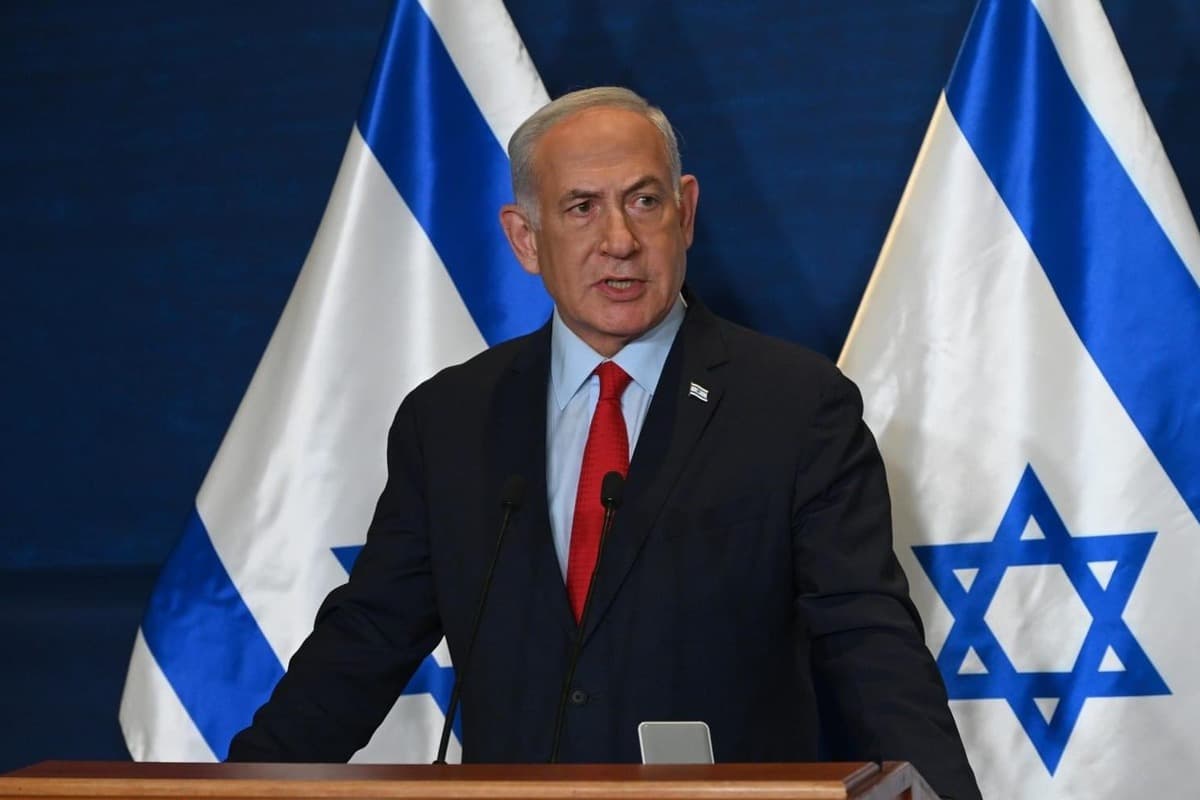
Russia has rejected accusations by Israeli Prime Minister Benjamin Netanyahu that Moscow was involved in an antisemitic online campaign. The Russian Foreign Ministry told the state agency TASS on Thursday that it was “puzzled” by “completely unfounded accusations”, and that attempts to claim Moscow conducted such a campaign look “particularly absurd” (Anadolu).
What Netanyahu said
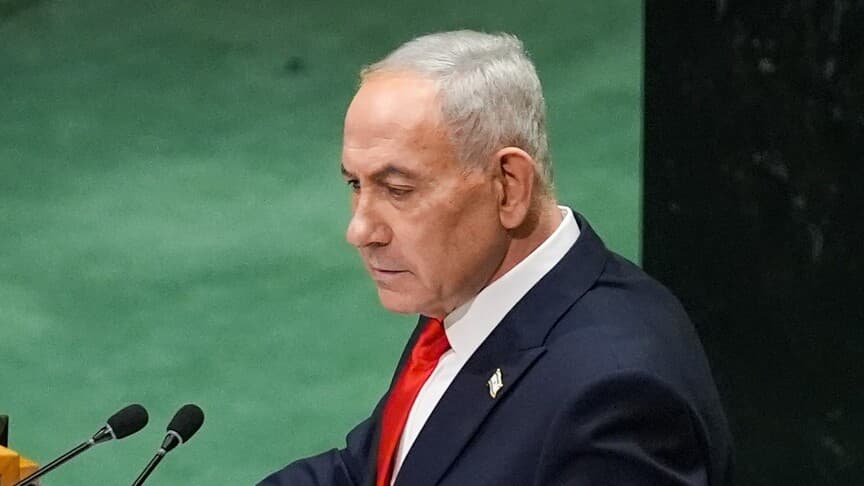
On Sunday, the Israeli channel i24 News reported that Netanyahu, in response to a question from the channel, accused Russia of “helping Iran and using artificial intelligence to run antisemitic bot networks targeting Israel and Jews worldwide” (Anadolu).
The Foreign Ministry's arguments
The ministry noted that, as a fact acknowledged by the Israeli side, thanks to the Russian leadership's policy of strengthening interethnic harmony, manifestations of antisemitism in Russia are “practically absent.” The ministry expressed regret that Netanyahu's statements came on the 35th anniversary of the restoration of diplomatic relations between the two countries. It recalled that back in 2018 Russia had proposed to Israel a bilateral agreement on cooperation in information security but received no response — such an agreement, in the ministry's view, “could have prevented problems out of nothing” (Anadolu).
Election connection and reaction
The ministry called it “sad” that Netanyahu chose “accusations through the media” ahead of Israel's parliamentary elections scheduled for Tuesday, instead of dialogue between cybersecurity experts, adding that Russia is “facing such fakes” not for the first time. In conclusion, the Foreign Ministry cited the Russian expression “shifting blame from the sick head to the healthy one,” and stated that the world's attitude toward Israel is determined “exclusively by the course of its own authorities” (Anadolu).
Context and significance
According to Anadolu, elections to the Israeli parliament are scheduled for Tuesday, and diplomatic relations between the countries were restored 35 years ago. Editorial note: the accusation was made by a sitting prime minister during the pre-election period, while Moscow in response cites a long-standing, unanswered proposal on cybersecurity — this indicates the dispute is unfolding against the backdrop of Israel's domestic agenda, but the publication contains no independent confirmation of either Netanyahu's statements or the Foreign Ministry's denials. In practical terms, the event affects Russia–Israel bilateral relations: the Foreign Ministry has once again raised the issue of an information security agreement that could serve as a channel for resolving such claims.