The key facts
- The Competition Committee is reviewing complaints about imposing additional drugs when purchasing in-demand medicines
- 47.2% of medicine imports over the first nine months of 2026 are accounted for by five importers
- A possible fine is 5% of revenue for the period of the violation, but no more than the last three years
Committee reviews complaints about forced purchase of medicines
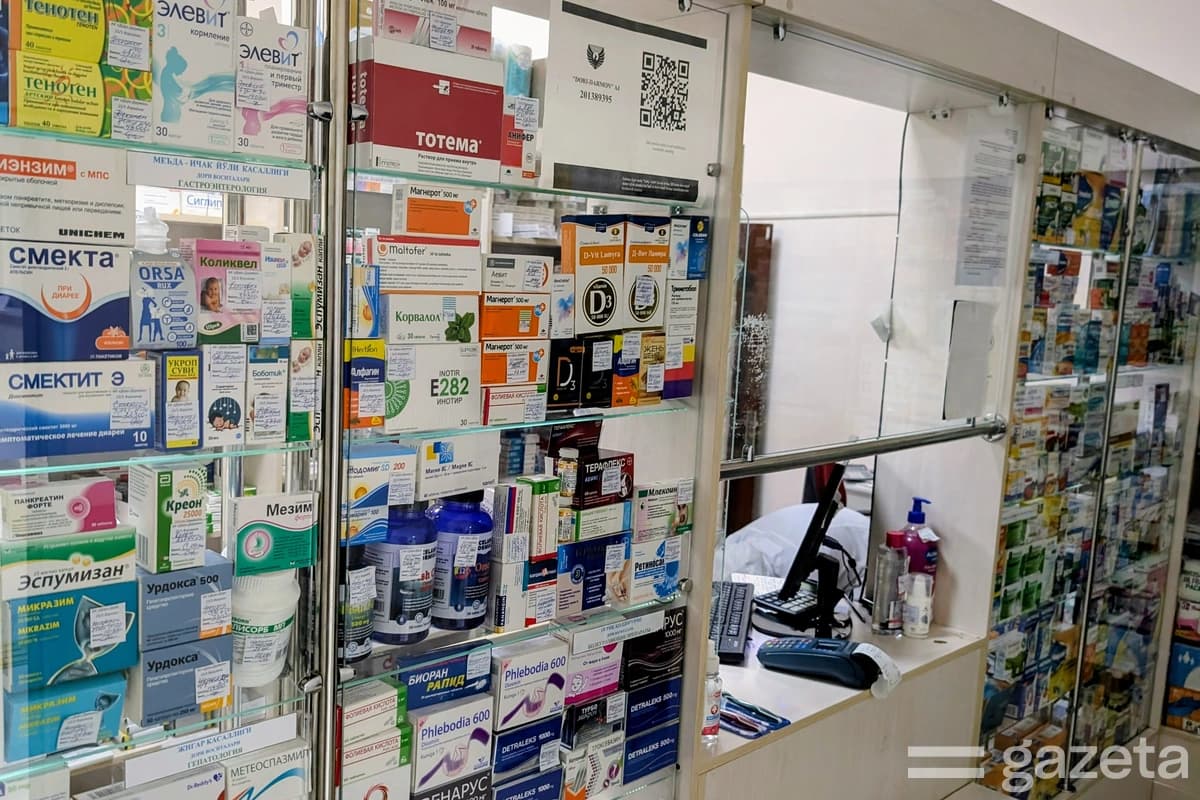
Uzbekistan's Committee for the Development of Competition and Protection of Consumer Rights is examining complaints, circulating on social media: some importers and wholesale distributors, when selling in-demand medicines to pharmacies, require the purchase of additional, unrequested drugs. This was reported by the committee's press service. According to the committee, such practices may harm the economic interests of small businesses, restrict their operations and negatively affect the competitive environment in the pharmaceutical market. In this regard a review of anti-competitive conditions in the wholesale sale of medicines has been launched.
Market concentration and the structure of the pharmacy network
According to the committee, over the first nine months of 2026, medicines were imported into Uzbekistan by 305 enterprises, with 47.2% of total imports accounted for by five companies. As of 1 October 2026, the country had 14,598 pharmacies: 449 wholesale and 14,149 retail, of which 7,940 were main pharmacies and 6,209 were branches. According to Kun.uz, the analysis shows growing market concentration: compared with 2023, the number of main retail pharmacies fell from 8,584 to 7,940 (about 8%), while the number of branches rose from 4,639 to 6,209 (by 33.8%); the number of wholesale pharmacies decreased from 521 to 449.
Legal framework and possible sanctions
Under the Law 'On Competition', imposing on a counterparty, when concluding a contract, a condition to purchase or sell another good may in certain cases be qualified as abuse of superior bargaining power. A violation of antimonopoly legislation carries a financial sanction of 5% of revenue from the sale of goods for the period of the violation, but no more than the last three years. The committee stressed that if the fact of imposing unrequested drugs is confirmed, the relevant enterprises will face measures provided for by law. The review is still ongoing, and the committee has not yet drawn conclusions about confirmed violations.
Why this matters
The situation affects thousands of retail pharmacies and the small businesses working with them: according to the committee, five importers account for almost half of medicine imports, which strengthens their bargaining position vis-à-vis buyers. If violations are confirmed, the companies face a fine of up to 5% of revenue for the period of the violation, and pharmacies may gain more freedom in shaping their assortment without mandatory 'add-ons' of unrequested drugs. For now, however, the committee is only examining the complaints, and no violations have been confirmed.