The key facts
- Holly Sharman, 25, visited the emergency department 'four to five times a week' with chest pain; her longest visit lasted 13 hours, but tests revealed nothing.
- Clinical psychologist Dr. Kirren Schnack describes health anxiety as constant worry about serious illness and identifies signs: checking behaviors, seeking reassurance, and avoidance.
- Sharman was diagnosed with health anxiety and health-related OCD; she states that anxiety 'no longer controls her life'.
Years in Search of a Diagnosis
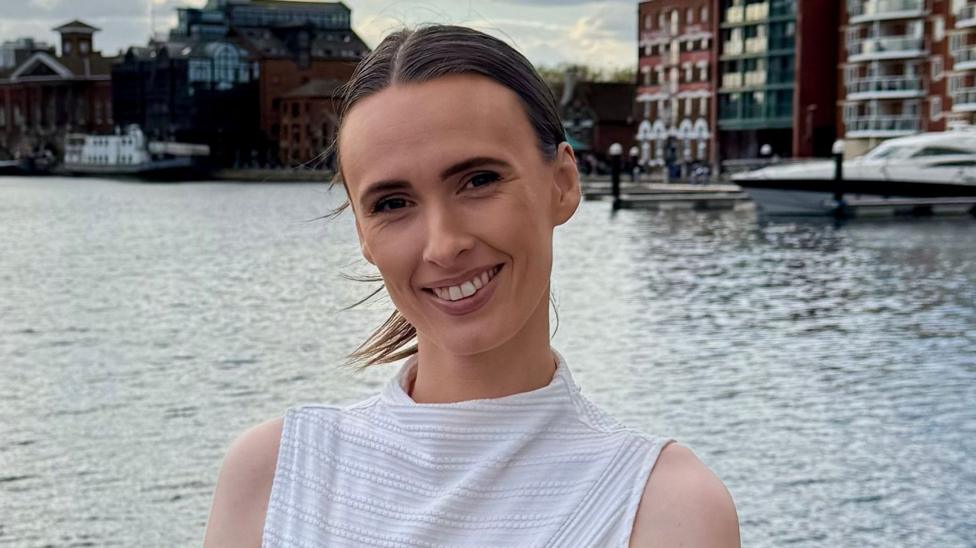
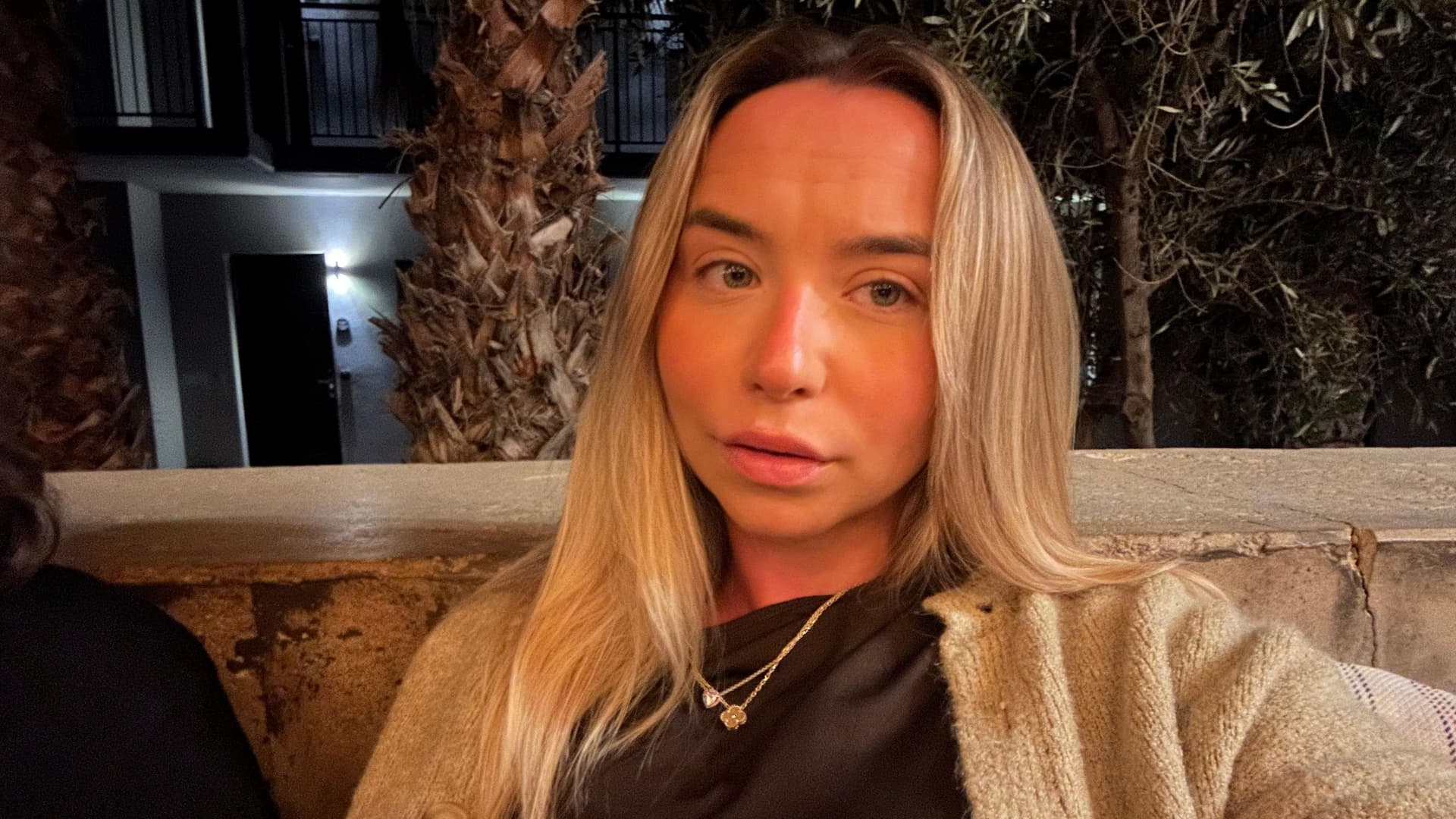
Holly Sharman was convinced she was dying. According to her, she visited the hospital 'four to five times a week' complaining of unbearable chest pain. 'I think the longest I spent in the emergency department was 13 hours,' says the 25-year-old. Despite numerous examinations, doctors found no abnormalities. Sharman recounts that she 'always worried' about her health since childhood and recalls how she 'made up any excuse' to leave school and lie in bed. She spent her 22nd birthday in a restaurant toilet, experiencing 'the worst panic attack of her life.' This triggered years of health anxiety involving hours of symptom searching, panic, and isolation.
Constant Symptom Searching
'I constantly Googled and used ChatGPT, any source that could tell me what was wrong with me,' Sharman explains. She describes a vicious cycle: doctors would examine her and say everything was fine, but at home, for instance, leg weakness would make her search for symptoms online again, find mentions of heart failure, and return to the hospital. During her worst period, she 'completely withdrew from everyone' and stopped replying to family messages to avoid repetitive conversations. The anxiety also severely affected her relationship with her partner: 'It got to the point where nothing he said was right. I got upset because he didn't understand what was going on in my head. How do you tell someone everything is fine when you think you are actually dying?'
What is Health Anxiety?
Clinical psychologist Dr. Kirren Schnack defines health anxiety as 'constant worry that you are seriously ill or might become seriously ill when you are not.' Key signs include 'checking' behaviors: frequent body checks, measuring temperature or blood pressure, and searching for symptoms online. Another sign is constantly seeking reassurance from the internet, friends, or family. According to Schnack, some people experience 'avoidance': they do not look at their bodies or visit doctors, fearing 'the worst.' Others may 'adopt the role of a sick person': slowing down movements, stopping exercise, and treating their body and mind as if the illness is already present. Schnack's comments were made on the podcast 'Complex with Kimberley Wilson.'
Diagnosis and Path to Improvement
Ultimately, Sharman was diagnosed with health anxiety and health-related obsessive-compulsive disorder (OCD). She states that her family and partner 'incredibly supported' her and helped her reach a 'better state' using anxiety management techniques. One method involved recording symptoms: 'I would write down symptoms like
Dr. Schnack's Recommendations
Dr. Schnack notes that for a 'new, worrying, or persistent' symptom, checking information on the NHS website is 'responsible health behavior.' If a symptom persists for two weeks, she advises booking an appointment with a GP; BBC also cites cases where one should call 111, 999, or go to the emergency department. Among Schnack's tips: challenge worst-case scenarios by offering the brain alternative explanations for physical sensations (for example, back stiffness could be due to poor posture rather than a serious illness); limit reassurance seeking by setting rules and limits on how often to ask loved ones about symptoms; burn anxious energy with short bursts of movement, such as jumping, to process adrenaline and cortisol; ground yourself through strong sensory experiences—holding an ice cube or trying something sour or spicy; use a breathing technique—long inhale through the nose, a second short inhale on top, and a long exhale with a sigh through the mouth.
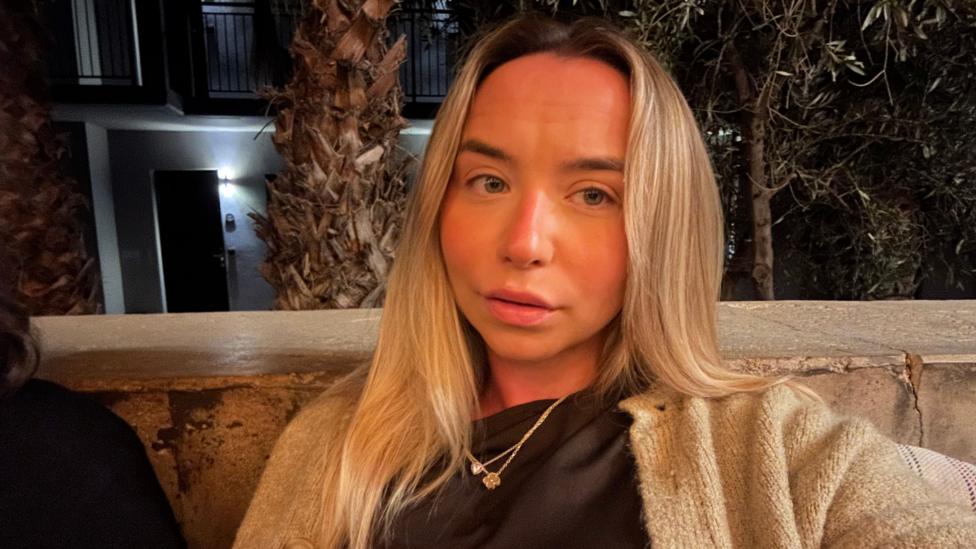 Image source, Hollie Sharman
Hollie Sharman spent hours searching symptoms, feeling panicked and isolated
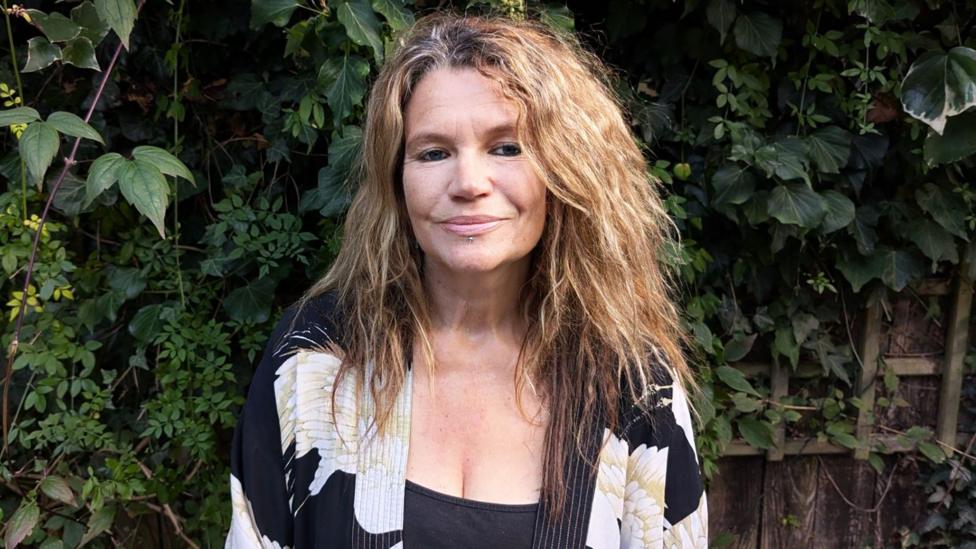
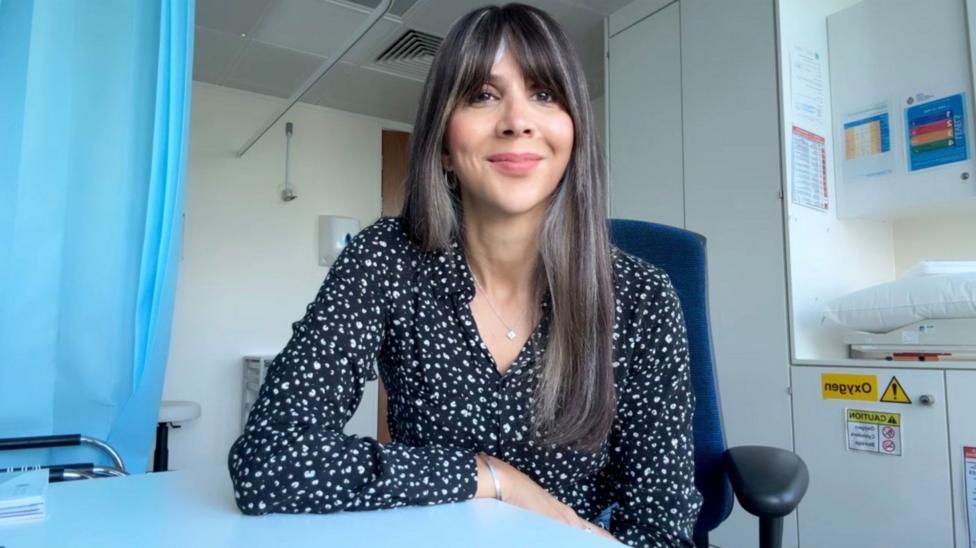 Image source, Dr Kirren Schnack
Dr Schnack says health anxiety is an
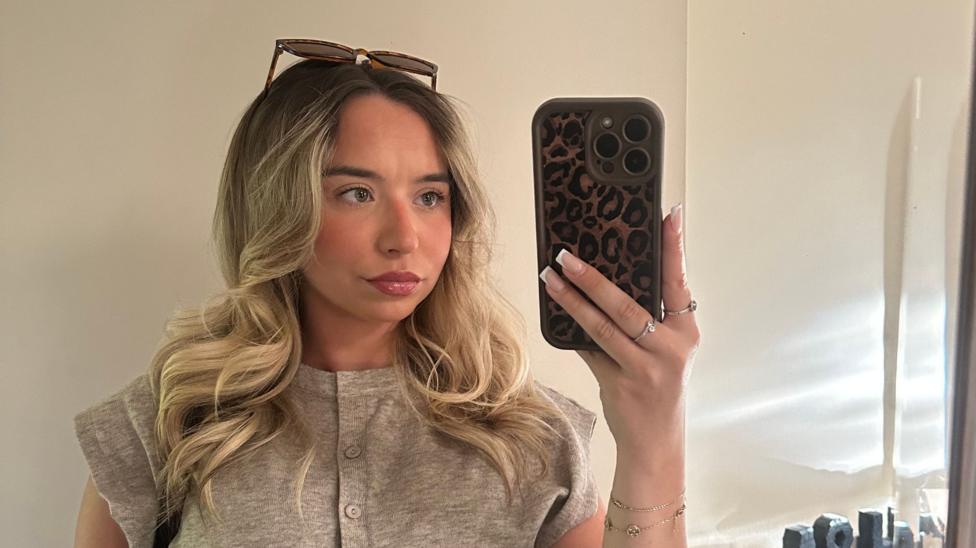 Image source, Hollie Sharman
Sharman says her parents understand her condition more after watching the videos she makes about health anxiety on TikTok