The key facts
- Claw machines in Japan are being stocked with everyday essentials: eggs, rice, toilet paper, detergents
- The 'prize game' market doubled over 10 years to 417.7 billion yen ($2.7 billion) in 2024 — nearly 70% of arcade revenue
- Aeon Fantasy has opened seven zones with grocery prizes and plans about 60 by 2030
Claw machines instead of the supermarket
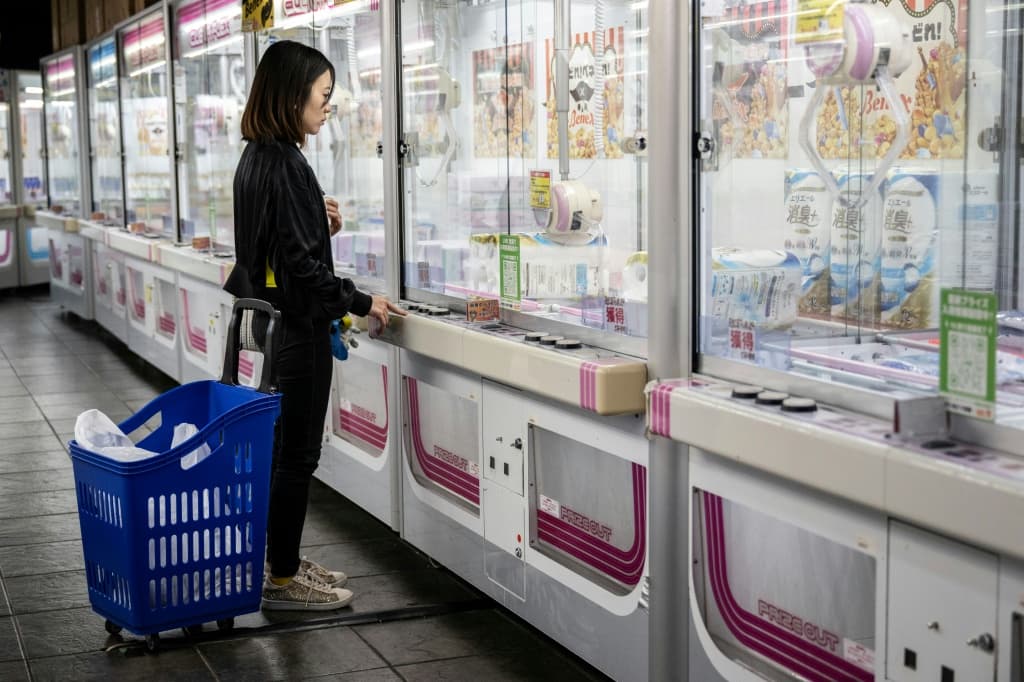
As prices rise for everyday goods, Japanese entertainment centers on the outskirts of major cities have begun installing claw machines stocked not with plush toys but with packs of toilet paper, eggs, rice, detergents and other essentials. AFP reported the trend. The concept of 'places for shopping and entertainment' combines buying necessities with leisure so families don't have to choose between groceries and a day out. Minae Kamata, a 25-year-old housewife, told the agency she won a pack of toilet paper on her second try at 100 yen ($0.64) per attempt: 'If you get a bit lucky, it's the same as buying at a discount.'
A reaction to prolonged inflation
Experts link the trend to Japan's long period of inflation, when prices rose faster than wages for years. Naoko Kuga, a consumer behavior specialist at NLI Research Institute, noted that spending on food and everyday goods has been declining for five years, as these items become targets for savings. According to her, retailers are trying to turn shopping into entertainment to encourage spending and reduce feelings of guilt. Inflation in Japan has recently hovered around the central bank's 2% target — a modest figure for many developed economies, but a shock for a country accustomed to decades of stagnation or falling prices.
A growing prize-game market
According to the Japan Amusement Industry Association, the 'prize game' market more than doubled over ten years, reaching 417.7 billion yen ($2.7 billion) in 2024, and now accounts for nearly 70% of arcade revenue. In recent years, families searching for household goods have become a notable part of the audience. In Kawasaki, south of Tokyo, hundreds of Benex chain machines are filled with soda, sweets and detergents. Terutaki Tsuchiya, a top manager at Tisco, which operates Benex, compared the model to Costco and Ikea: large stores on the outskirts where loyal customers arrive by car and spend more. 'When a family spends 10,000 yen on karaoke or bowling, they just have a good time. But at Benex you go home with toilet paper, bottles and toys,' he said. The company, which has five locations in Greater Tokyo and more than a million visitors a year, dropped video games and token machines last year, while revenue from selling household goods grew 2.6-fold over two years.
Major retailers join in
Major retailers are joining the trend. Aeon Fantasy, the entertainment arm of the Aeon group, opened its first zone with grocery and household prizes aimed at mothers in October 2025. There are now seven such zones, and the company plans to open about 60 by 2030. 'At a time when consumers are very price-sensitive, we offer an experience that combines pleasure with the thrill of a bargain,' said Aeon Fantasy manager Yuya Shiozawa. According to him, customers who win vegetables head to the neighboring supermarket for ingredients for dinner.
Customers are pleased
Visitors confirm the savings. Chiaki Sugai, a 56-year-old sushi restaurant employee, hauls home a cart of prizes after two to three hours of play, having spent about 8,000 yen: 'I used to buy a lot of snacks at stores, now I get them here.' Satoko Iyokawa, 49, won two boxes of premium eggs cheaper than at the supermarket: 'I usually save money, but here I allow myself a little.' In Kuga's view, the trend will outlast the current period of inflation: offline retailers are looking for ways to attract shoppers who increasingly order goods by subscription through Amazon. She predicts stores will multiply such initiatives — with claw machines or in other forms.