The key facts
- Tests confirmed a localized lung adenocarcinoma; further treatment deemed unnecessary
- The October 13 surgery lasted 90 minutes; the lower lobe of the right lung was removed
- The surgeon said there are no clinical reasons to cancel the trip to South America in early November
Doctors Confirm: No Further Treatment Needed
Pope Leo XIV's physicians, Dr. Luigi Carbone and Professor Sergio Alfieri... no — Professor Stefano Margaritora, said on Wednesday that the pontiff does not require further treatment after the lung surgery. According to the Vatican, the final histopathological and molecular examinations of the tissue removed during the operation confirmed that the tumor was a lung adenocarcinoma and that the disease was localized — that is, it had not spread beyond the lung. 'The subsequent oncological assessment confirmed that no further treatment is required,' the Holy See's statement said. This confirmed earlier predictions that the disease had been detected at an early stage.
Course of the Surgery and Recovery
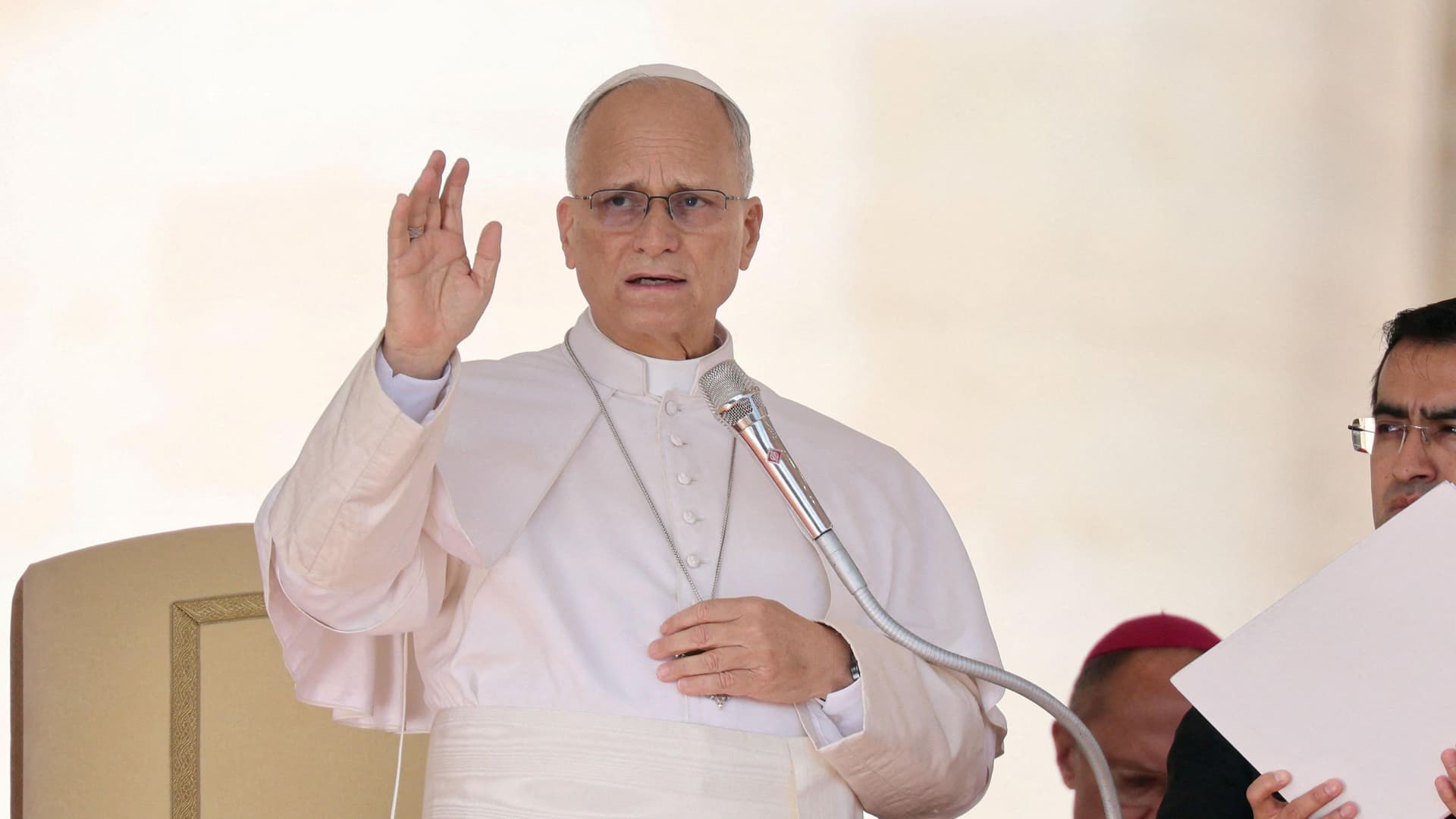
The 71-year-old pontiff himself announced during the traditional Sunday Angelus prayer on October 11 that a nodule had been found in his right lung and that it would be surgically removed; at that time he also said the problem had been detected 'at an early stage.' The surgery took place on October 13 at Rome's Gemelli hospital and lasted about 90 minutes: using video-assisted surgery, the lower lobe of the right lung was removed. The Pope was discharged on Saturday, four days after the operation, promising to gradually return to his duties; along the way he stopped to greet those who had come to meet him. The Vatican had previously canceled his events through October 20. On Wednesday, Leo XIV held his first weekly general audience since his discharge in St. Peter's Square. On Friday, images circulated showing the Pope celebrating Mass from the hospital in green vestments at a makeshift altar.
Openness About Health and Travel Plans
The Pope's open announcement of his diagnosis marked a departure from the long-standing tradition of secrecy surrounding pontiffs' health. The illness caused concern in the Catholic Church: prolonged treatment, such as radiation or chemotherapy, could have affected the Pope's ability to lead the church. The surgeon added that there are 'no clinical reasons' to cancel the planned trip to South America, scheduled, according to Deutsche Welle, for November 6–17 — to Uruguay, Argentina and Peru, with a dozen flights, two helicopter flights and stops at high altitude. People close to the Pope had previously said he did not want to postpone the trip. While he was in the hospital, the Pope spoke by phone on October 17 (Friday) with Russian President Vladimir Putin, calling for a ceasefire in the blockaded, occupied Ukrainian city of Alyoshky to allow humanitarian aid delivery and for 'dialogue and peace,' and on Monday he held a similar conversation with Ukrainian President Volodymyr Zelensky.
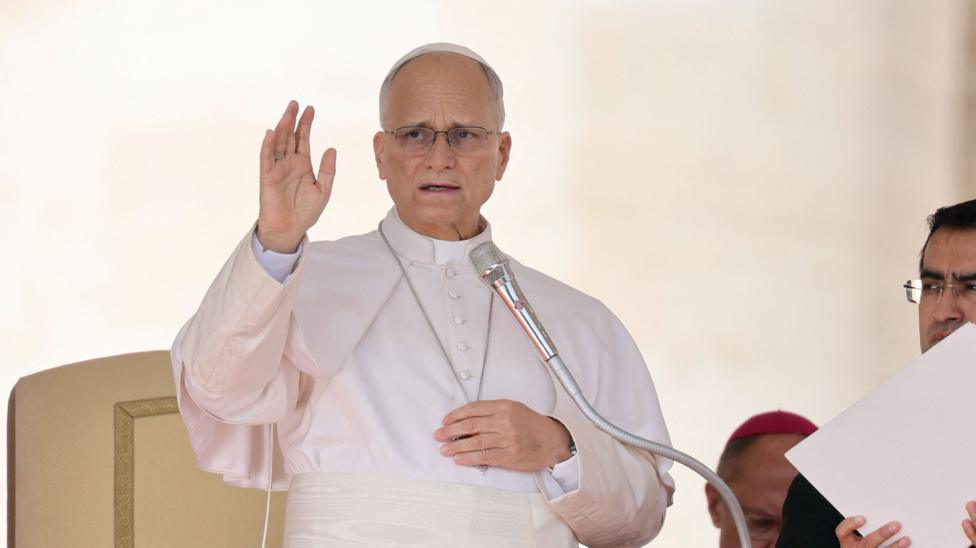 Image source, Reuters
Pope Leo returned to St Peter's Square on Wednesday for his weekly general audience