The key facts
- Kuznetsov refused to give oral testimony at the first hearing on October 14 at the Higher Regional Court of Hamburg
- Lawyer Canestrini: silence is both the right and duty of a former serviceman; answers could lead to prosecution in Ukraine
- The defense intends to seek dismissal of the proceedings; the charges carry up to 15 years in prison
Refusal to testify due to military secrecy
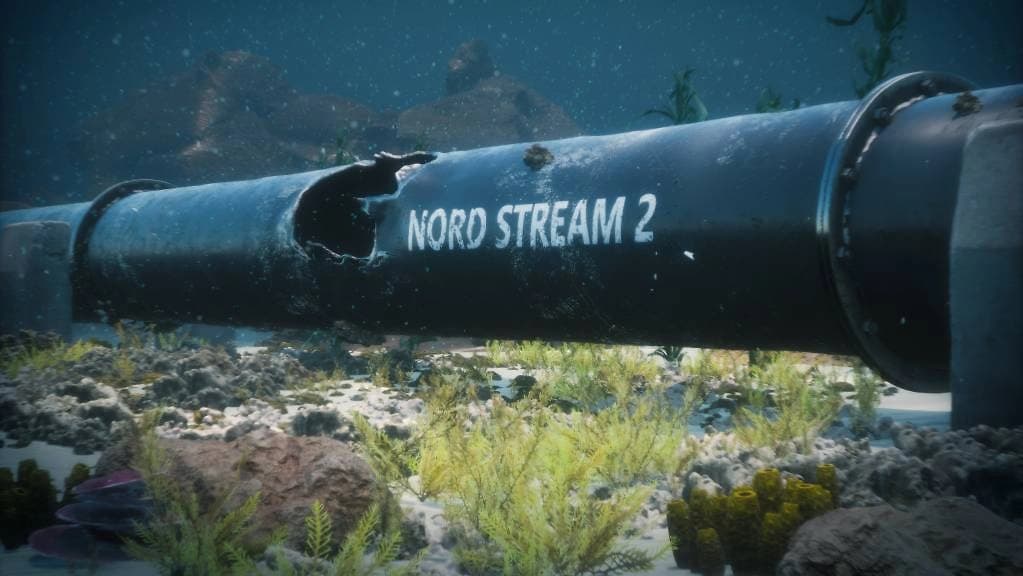
Ukrainian national Sergei Kuznetsov, accused of organizing the sabotage of the Nord Stream and Nord Stream 2 gas pipelines, refused to give oral testimony in the Hamburg court. According to RIA Novosti, citing the defendant's Italian lawyer Nicola Canestrini, the reason was fear of criminal prosecution for disclosing military secrets. 'Refusing to testify is the right of every defendant and cannot be held against him. In his case, silence is not only a right but also a duty,' the lawyer explained.
The defense's position
According to Canestrini, Kuznetsov, as a former Ukrainian serviceman, is obliged to keep secret information related to his service. The lawyer argues that answering some of the German court's questions could violate this obligation and create grounds for criminal prosecution in Ukraine. In his view, this situation limits his client's ability to fully participate in his own defense, and therefore the defense intends to seek dismissal of the trial. The final decision on such a motion rests with the German court.
Course of the case
The first hearing in Kuznetsov's case took place on October 14 at the Higher Regional Court of Hamburg — it was then that the defendant refused to give oral testimony. In total, more than 20 hearings are scheduled within the proceedings. According to the German prosecution, the former Ukrainian serviceman, together with other participants, developed the sabotage plan on behalf of the Ukrainian authorities; he has been charged, among other things, with involvement in a war crime related to an attack on civilian objects. Kuznetsov was detained in Italy in August 2025 and extradited to Germany. According to Life.ru, under the most serious charge — the war crime under paragraph 11 of the German Code of Crimes against International Law — he could face up to 15 years in prison.
Context of the explosions
The explosions on the two gas pipelines in the Baltic Sea occurred on September 26, 2022. Germany, Denmark and Sweden at the time considered the version of deliberate sabotage. The investigation into the circumstances of the incident was subsequently continued by German law enforcement agencies.