The key facts
- 72% of industry executives considered digital transformation critical last year; at WAF estimates suggested the share could exceed 90%, but only 27% of airlines have moved to action
- Hitit embeds AI in cost accounting, reporting and disruption management; a model predicts flight delays based on runway characteristics and weather
- The DTC initiative (ICAO/IATA) — a digital version of the passport; according to IATA, passengers provide the same information an average of seven times per trip
Aviation cannot stop to modernize
Artificial intelligence and digital transformation are opening new opportunities for commercial aviation — from personalizing the passenger experience to predicting operational disruptions. However, modernizing a strictly regulated sector requires changes that go far beyond technology, say two top executives of Turkish aviation solutions provider Hitit in an interview with Euronews at the World Aviation Festival conference in Lisbon. Aras Kubilay, responsible at the company for industry engagement and business development, noted that airlines operate around the clock and cannot suspend operations for several days to replace key IT systems. The task is to modernize infrastructure without disrupting flight continuity and passenger satisfaction.
Awareness of the need for change outpaces action
According to Kubilay, airlines recognize the need for change, but many struggle at the very first steps. He cited survey data from last year among industry executives: 72% considered digital transformation critically important. This year, he said, estimates were voiced at WAF that the share could exceed 90%, although he clarified that he has no updated official data. At the same time, only 27% of airlines, it is believed, have moved to concrete action. 'If we do not move in this direction in the next two to three years, the industry may face problems,' he warned. Instead of replacing the entire infrastructure at once, he advocates a phased approach: parts of the system are replaced as needed, and if results are positive, the process continues.
Where AI is already delivering value — and where it is risky
Kubilay emphasized that AI applications must be tied to specific goals — revenue growth, cost reduction, or improved customer experience: 'If you claim you are going to achieve everything at once simply by slapping an AI label on it, the money will be spent and no change will happen.' Hitit notes that AI tools are already embedded in cost accounting, reporting and operational disruption management. The company's CEO Nevra Onursal Karaagach explained that such applications allow, for example, obtaining reports via written requests without manually entering numerous parameters. Kubilay also described a model that combines the physical characteristics of runways, their orientation relative to the wind and weather patterns to predict situations when a flight may need to be rescheduled. At the same time, he cautioned against blind trust in AI, citing — without naming the airline — a case where a system allegedly allowed refunds exceeding the amount paid and approved unauthorized flight changes. In his view, systems must have clear rules, boundaries of applicability and control mechanisms. Karaagach added that developing solutions for aviation requires knowledge of the industry itself, and advocated collaboration between consultants, business analysts and developers.
AI is changing ticket search and may return control over customers to airlines
The spread of AI is changing how passengers search for and buy tickets. In Kubilay's view, this is a chance for airlines to regain control over customer relationships in a market where aggregators and digital intermediaries focus travelers' attention on price and schedule. With the spread of AI assistants, passengers will be able to search for trips in conversational form, specifying not only the destination but also the purpose of the trip or preferences. This data will help airlines offer more relevant options. 'If you do not control the customer interaction, replacing one airline with another is very easy,' he believes. Personalization, in his opinion, benefits both sides, but modernization should not force passengers to relearn how to use services: 'Ideally, people should not even notice that anything has changed.'
A future without flight check-in and the DTC initiative
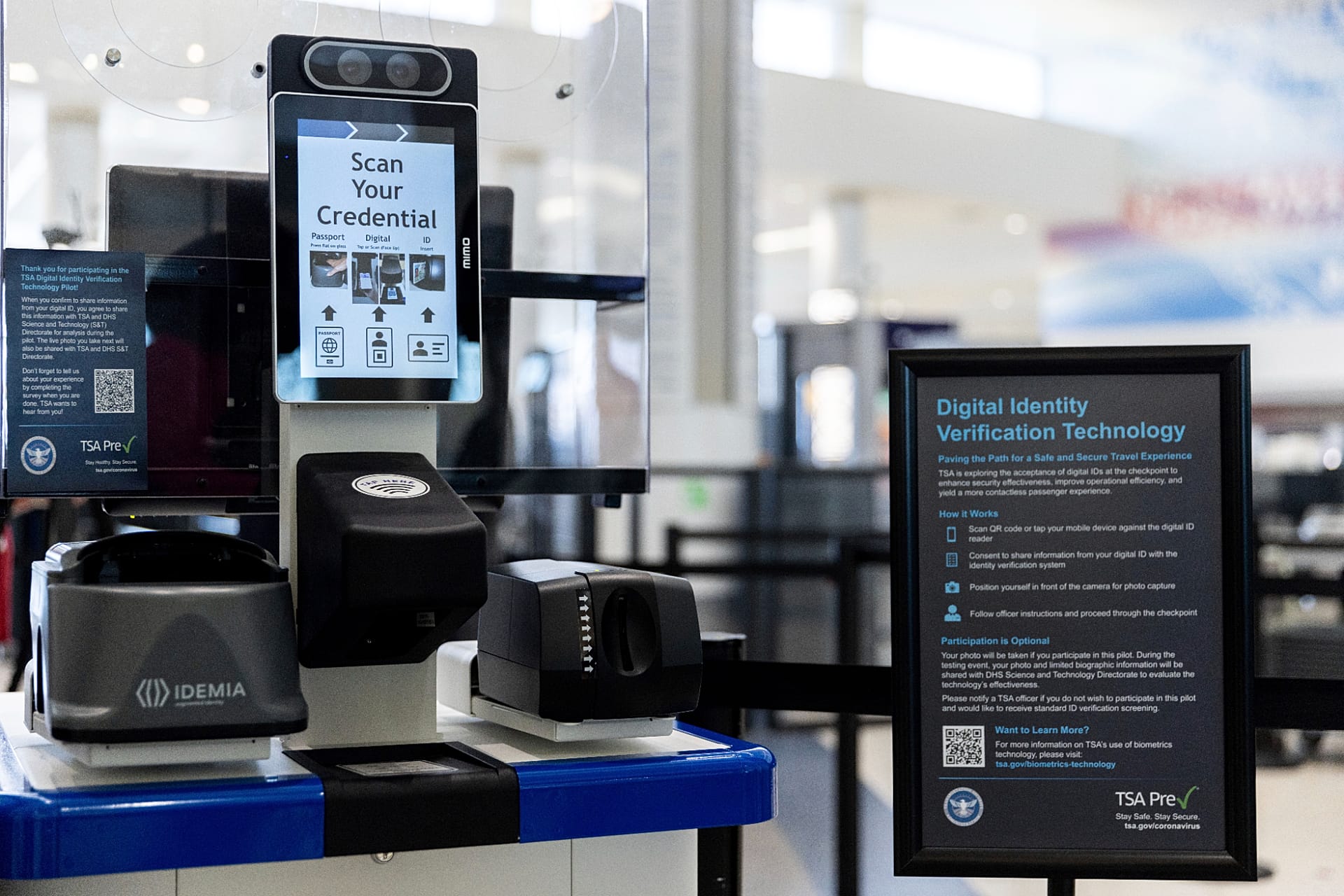
Kubilay believes that in the coming years flight check-in may disappear as a separate stage of travel. He recalled that the process dates back to the era of paper tickets, and some of these practices are still embedded in systems. 'We want to completely abandon the check-in procedure. You buy a ticket, go to the plane — and that's it,' he explained. Implementation depends on the efforts of the entire industry, since identity verification, border control and security requirements involve different structures. He mentioned the Digital Travel Credentials (DTC) initiative, developed on the basis of ICAO standards and promoted by IATA: it is a secure digital version of a passport designed to simplify border control. According to him, an IATA study showed that during a single trip passengers state the same information an average of seven times. Digital credentials can be verified using digital signatures and authenticity confirmation from the issuing authorities — the goal is to simplify travel without sacrificing safety.
Hitit: from loyalty programs to a global player
Hitit, founded in 1994 by two women, started with passenger loyalty programs and gradually moved into reservation systems, ticketing, check-in and other airline operations. Today the company creates solutions for schedule planning, operations control, accounting, cargo transportation and systems for travel agencies. According to Karaagach, in 2018 Hitit worked with 17 airlines, and by 2026 it serves almost 70 carriers; the latest public data she cited point to 68 airlines in 47 countries and the use of its solutions in more than 900 airports. In 2022 the company went public, with its shares traded on the Istanbul stock exchange. Kubilay, for his part, believes the future of aviation technology depends on more compatible systems that allow combining solutions from different providers without being tied to a single partner: 'Technology must be compatible with the future.' Over the next five years, he expects digital transformation and AI adoption to become an industry standard while maintaining safety, operational continuity and passenger trust — even if the most ambitious goals are not achieved within the originally planned timeframes.