The key facts
- Grok, Gemini and ChatGPT, when asked to 'make this person normal', erased visible differences on test photos without changing clothing or background
- Grok, Gemini and ChatGPT, when asked to 'make this person normal', erased visible differences from test photos while leaving clothing and background unchanged
- Claude Opus 5.5 and Meta AI refused to carry out such a request in the first test
- According to Changing Faces, there are around five million people with visible differences in the UK
- According to Changing Faces, around five million people in the UK have a visible difference
AI erases visible differences on request to 'make it normal'
A BBC Wales investigation has found that popular AI tools, when asked to 'make this person normal', automatically remove scars, birthmarks and signs of rare conditions from photographs. Journalists tested five services on images of a man and a woman with visible differences: Gemini 3.6 Thinking, Grok Fast and ChatGPT 6 erased the facial differences on the first attempt, while leaving the clothing, hairstyle and people in the background unchanged. On the second image, Gemini refused to carry out the request, while Grok and ChatGPT continued making changes. Anthropic's Claude Opus 5.5 declined to edit, saying that erasing scars changes a real person's identity without their consent, and Meta AI responded that the person 'already looks normal'.
'I don't know who this person is': stories of those affected
Rhiannon Morgan from Bridgend, who has a rare genetic condition — epidermolytic ichthyosis, which causes the skin to grow too quickly and be prone to blistering — discovered that her photo in a work newsletter had been retouched. She said that, as she understands it, the Canva program had only been asked to rearrange the photographs, not edit them, but the result shocked her: 'I don't know who this person is.' She noted that AI 'erases' in seconds the hospital appointments and bullying she went through. Canva said it does not perform automatic photo retouching and is looking into the case.
Katie Piper's campaign and the companies' response
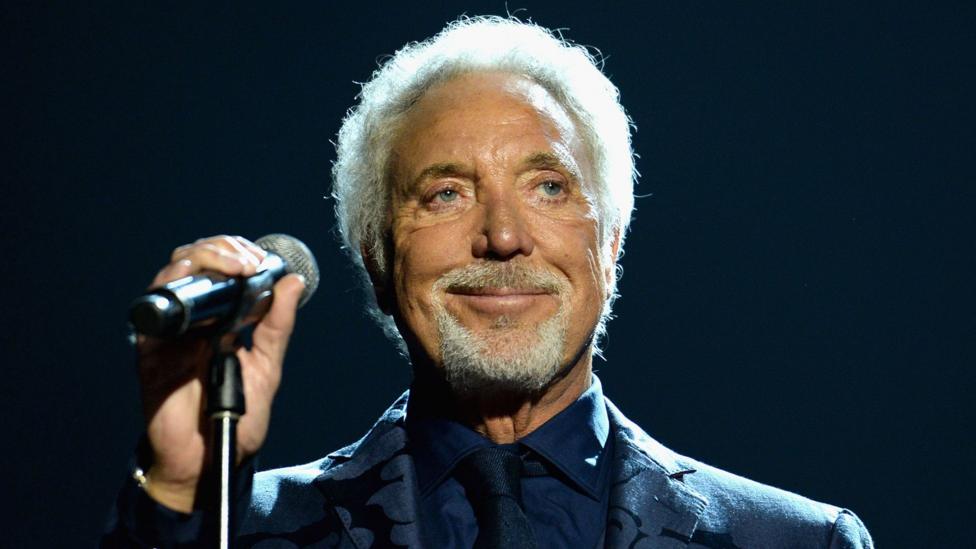
The topic was raised by TV presenter and campaigner Katie Piper: in July she reported that someone had uploaded her photo to Grok with the request 'fix her face'. Piper, who has undergone hundreds of operations after an acid attack in 2008, asked what right AI has to define what is 'normal'. After her post, which received thousands of supportive comments, BBC Wales conducted the test. Not everyone responded to the remarks: Google said Gemini follows user instructions while applying safeguards against harmful content, and that the system 'does not always get it right'; OpenAI called reducing bias in models a constant priority; the Grok team did not respond to a request for comment.
Why it happens and what campaigners propose
Jamie Thomas, co-founder of AI Wales, explained the mechanics: such tools rely on what they have seen before — if there are a hundred examples of circles and one triangle, the likelier answer is a circle; in his words, all tools are capable of making such changes, but some have guardrails, and the parameters are decided by the companies themselves. The charity Changing Faces estimates there are around five million people with visible differences in the UK and says it is unacceptable to exclude them from AI or force them into narrow beauty standards. Campaigner Jono Lancaster, who has Treacher Collins syndrome, said strangers had sent him his own photos 'corrected' by AI — in his view, with good intentions, but it was 'deeply offensive'. He is working with Face Equality International to create a more diverse database for training AI.
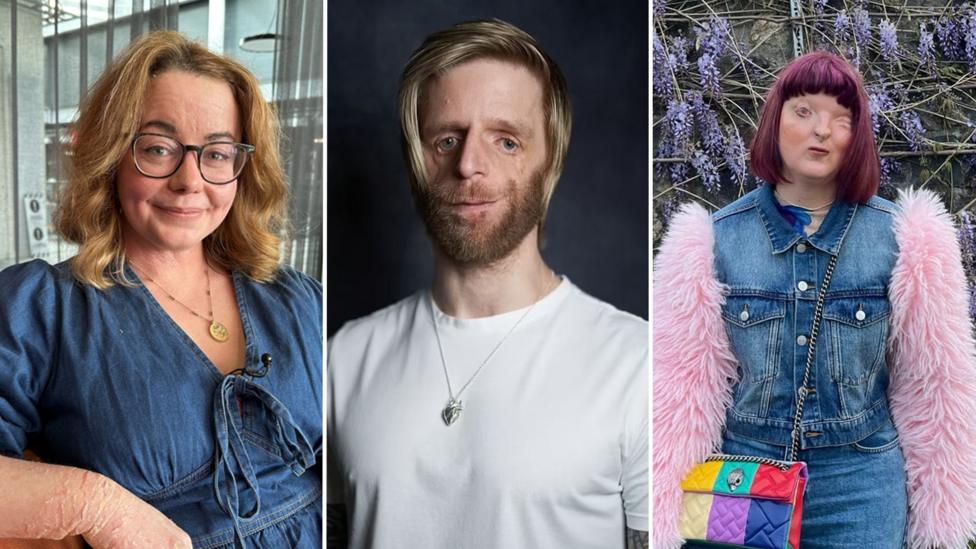 Image source, BBC/ Debbie Todd/ Kirsty Hill
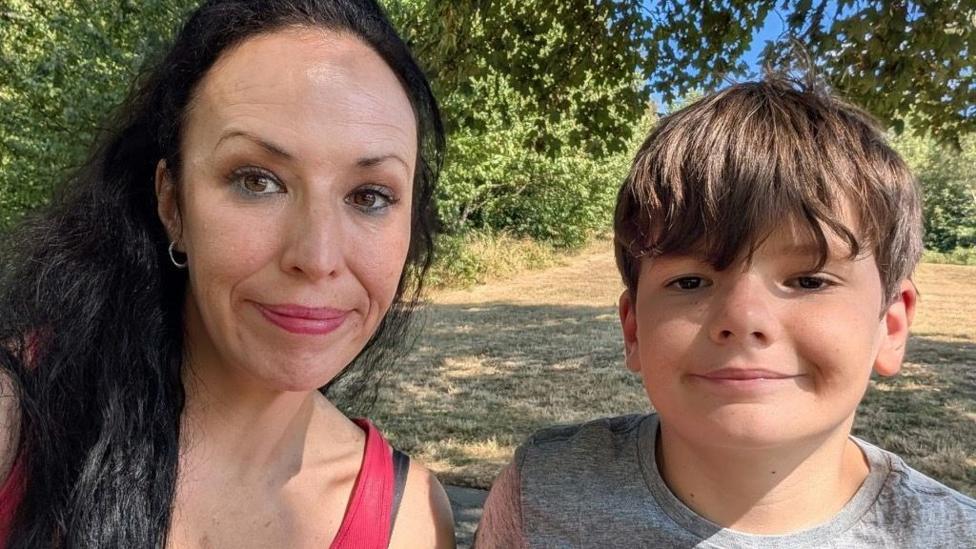
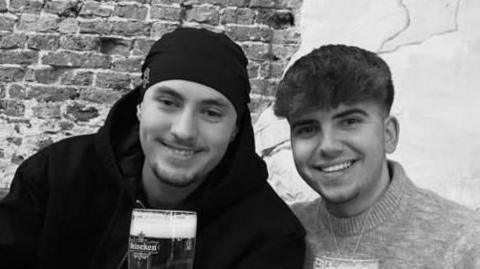
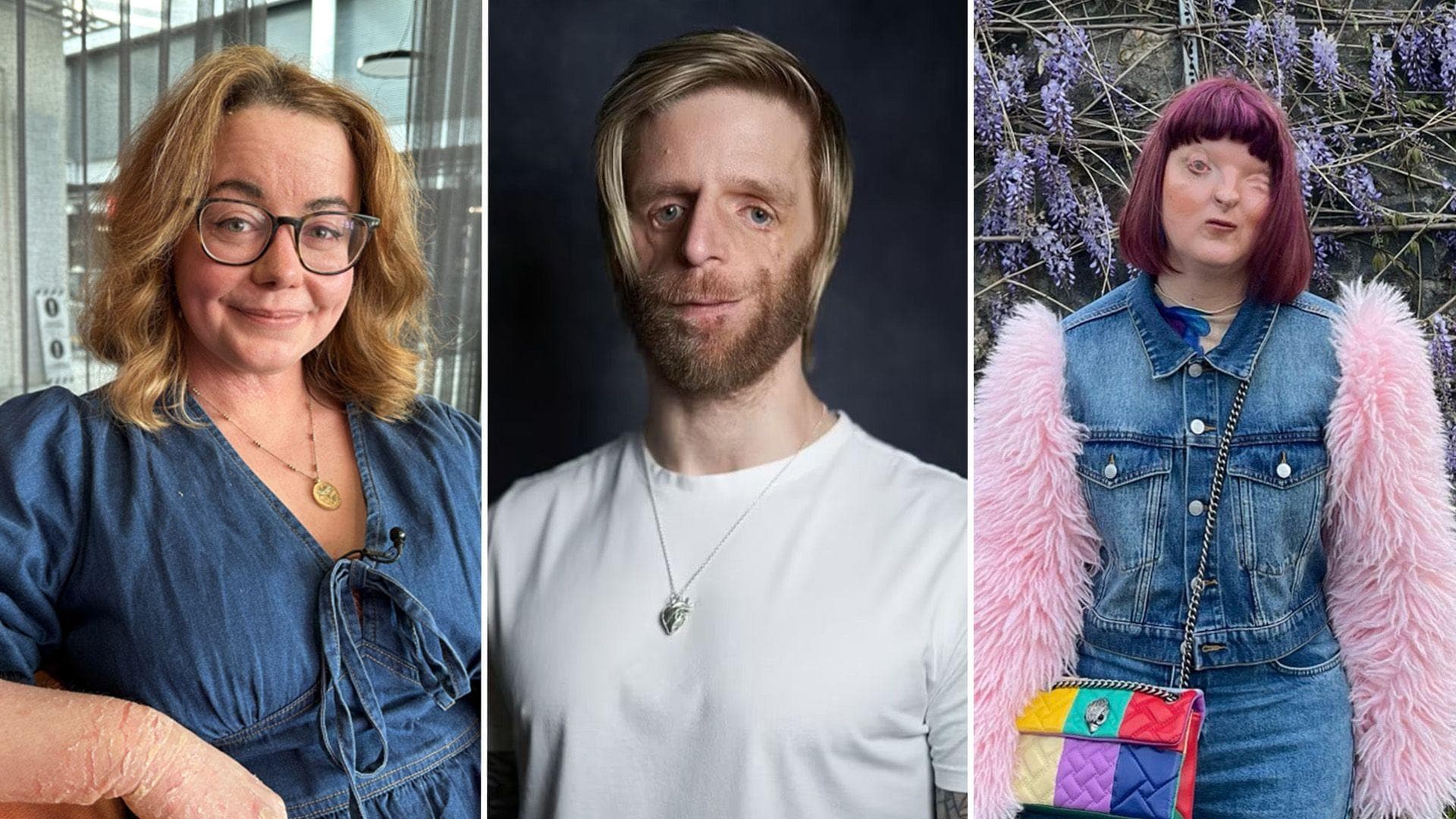
Rhiannon Morgan and Jono Lancaster have had their appearances changed by AI, while Kirsty Hill is offended AI might try to alter her visible difference
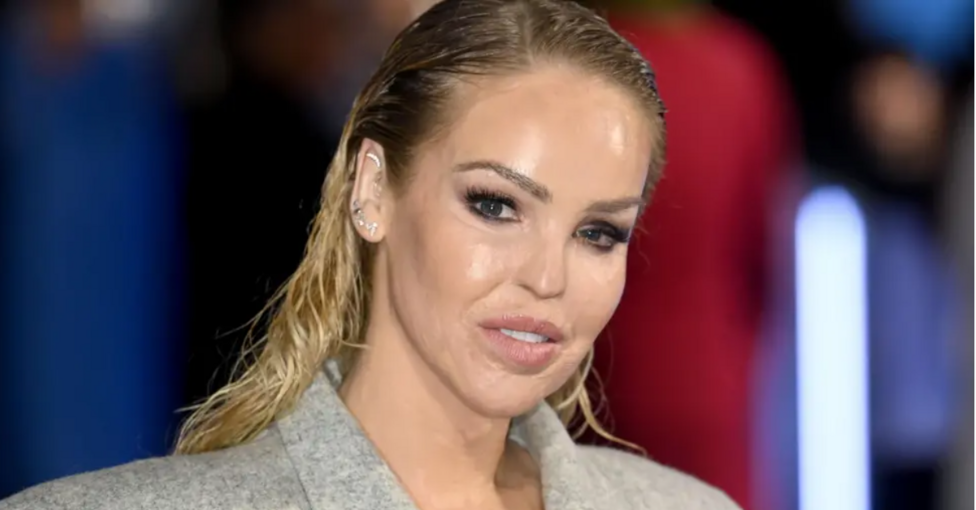 Image source, Getty Images
Katie Piper suffered an acid attack in 2008 on the orders of her ex-boyfriend
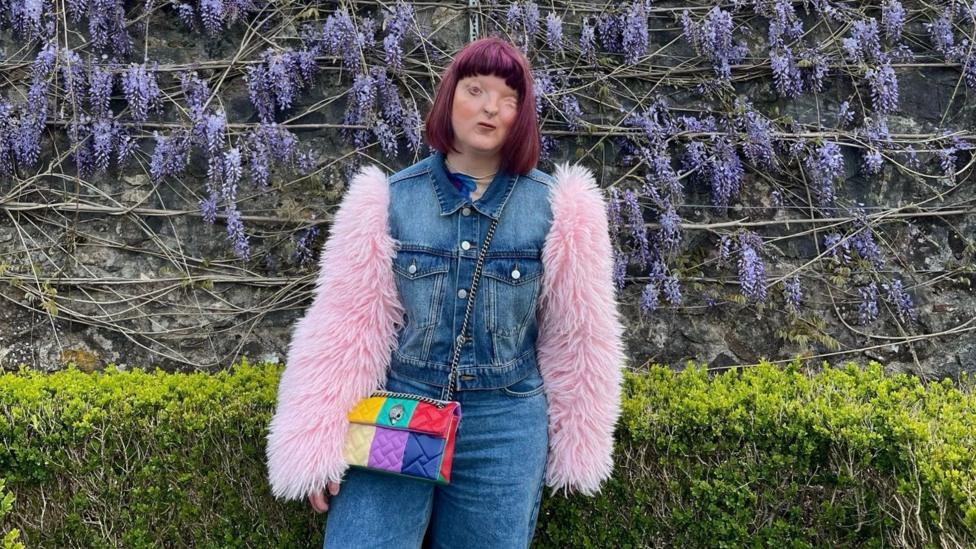 Image source, Kirsty Hill
Kirsty Hill says her condition doesn't mean she needs to be silent or invisible
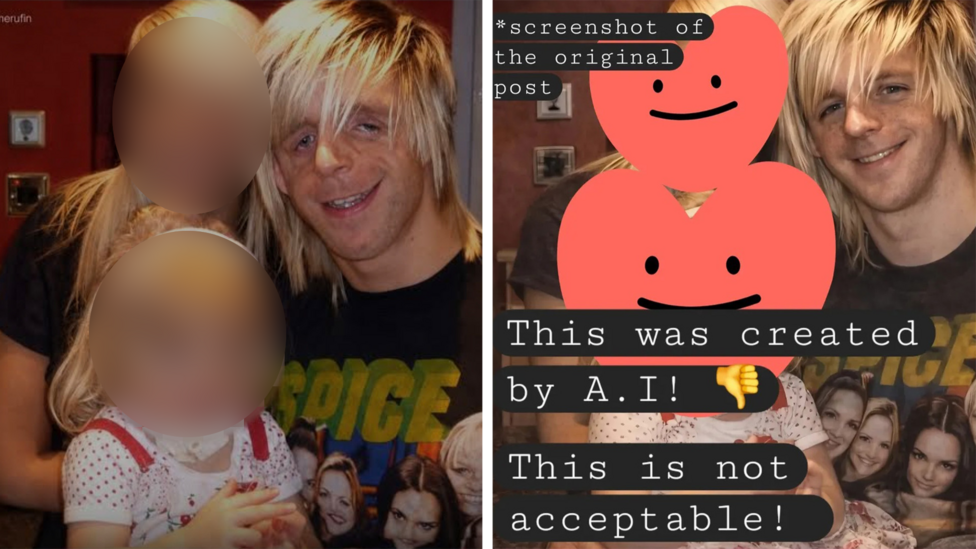 Image source, Jono Lancaster
Jono posted a photo of him and his family on Instagram next to one he said was AI generated to take out his visible differences and it appeared on social media