The key facts
- UNIFIL's mandate expires on December 31, 2026; Lebanon's push for an extension has been unsuccessful
- Israel holds the 'Yellow Line' north of the 'Blue Line'; around 329,000 people remain displaced
- On October 12, the EU established the EUSM Lebanon mission with a three-year mandate — it does not replace UNIFIL
UNIFIL's mandate is coming to an end
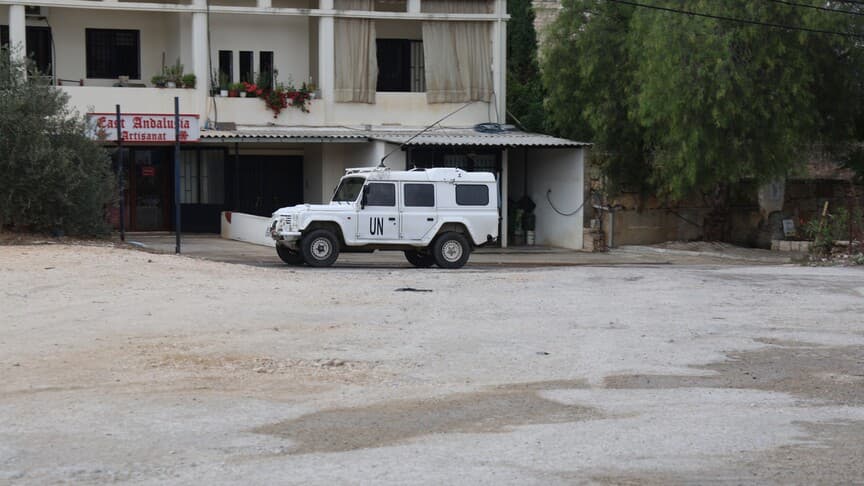
The mandate of the United Nations Interim Force in Lebanon (UNIFIL) is expiring, and uncertainty about the future of the country's south is growing. Lebanese Prime Minister Nawaf Salam warned of the need to 'prevent a vacuum that the withdrawal of UNIFIL could create if it happens without an agreement on a new international force.' The government is seeking a last-minute extension of the mandate, but so far without success. Apparently, the 7,565 peacekeepers from 46 countries will begin withdrawing from the 'Blue Line' zone on December 31, 2026.
The 'Blue Line' and the mission's history
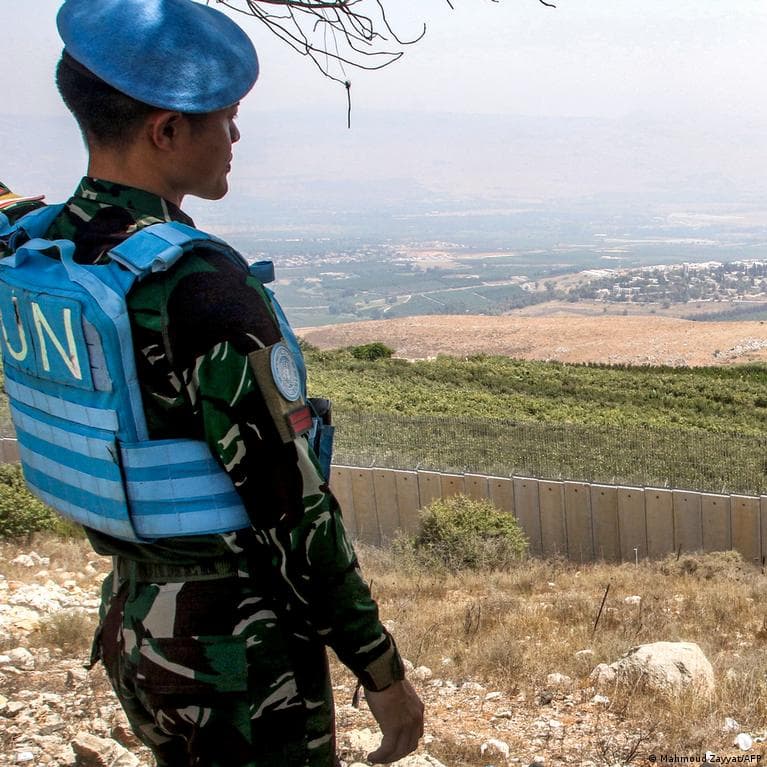
The 120-kilometer-long 'Blue Line' is a UN-defined withdrawal line between Israel and Lebanon, not an internationally recognized border. It was established in 2000, but UNIFIL troops have been deployed in the region since 1978, following Israel's invasion of Lebanon in response to attacks by Palestinian armed groups. After Israel's war with Hezbollah in 2006, the mandate was expanded to support the Lebanese army in implementing UN Security Council Resolution 1701, which requires that the territory between the 'Blue Line' and the Litani River be free of weapons other than those belonging to the Lebanese government and UNIFIL, as well as the withdrawal of Israeli forces from southern Lebanon.
The current situation in the south
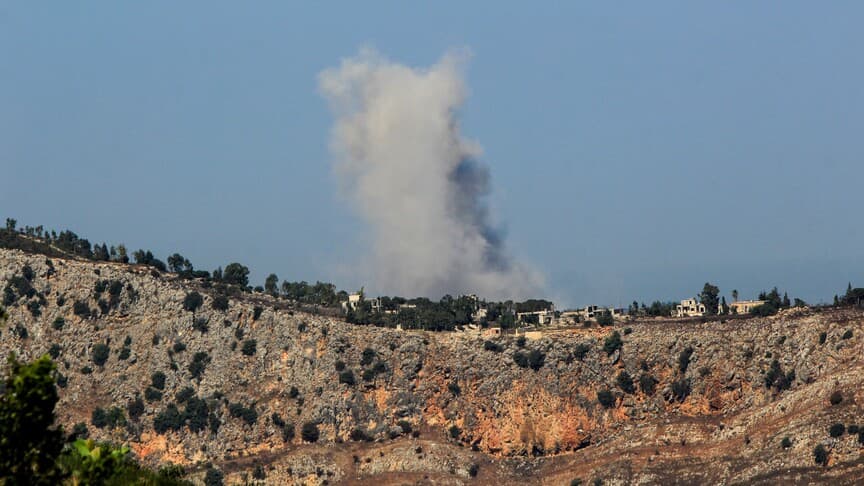
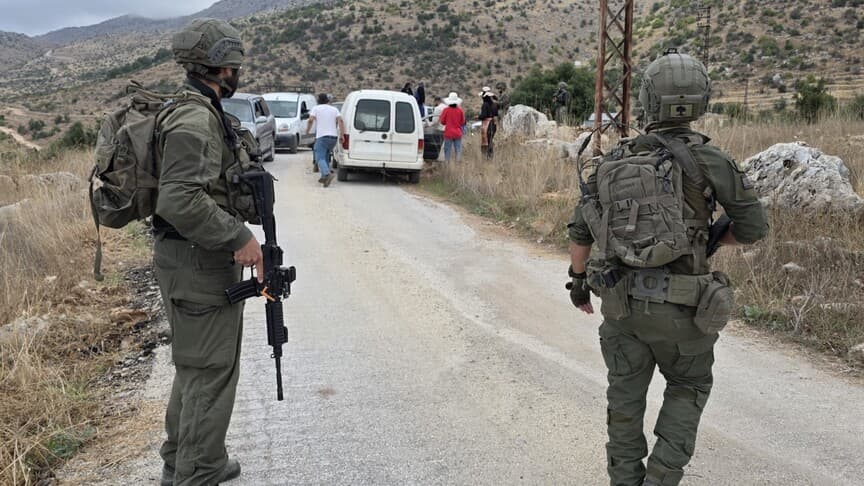
After Hezbollah's attacks in October 2023 and the 2024 war, Israel holds significant parts of Lebanese territory in the security zone it declared — the 'Yellow Line', located north of the 'Blue Line'. According to the International Organization for Migration, of the more than 1.2 million displaced during the 2026 conflict, about 329,000 remained internally displaced as of September 29. Israel has caused extensive damage to homes and infrastructure in southern Lebanon, stating that this is necessary to protect citizens in the north of the country. UNIFIL spokesperson Candice Ardiel told DW that the situation remains tense: Israeli military operations continue, including flights of aircraft and drones over Lebanese airspace, airstrikes, artillery and mortar fire. Until December 31, the mission continues monitoring and daily interaction between the parties, and the troop withdrawal will take place in phases.
Beirut's dilemmas and Hezbollah's disarmament
Hezbollah, designated a terrorist organization by a number of countries, including the US and Germany (the EU designates its armed wing as terrorist), refuses to disarm, citing the need for self-defense while Israeli forces remain in Lebanon. The group is closely tied to Iran and, according to estimates, could open a second front in northern Israel in the event of a new conflict between Iran and Israel. Researcher Paul Salem noted to DW that Beirut fears that without an international force, violations of agreements by either side would go unchecked. Lebanon's economy, weakened by years of political crisis, the pandemic, inflation, the 2020 Beirut port explosion and the 2024 war, depends on international funding, a significant portion of which from the US and Gulf countries is tied to Hezbollah's disarmament. International Crisis Group researcher David Wood believes that President Joseph Aoun and Prime Minister Salam have limited options: direct negotiations with Israel do not include Hezbollah and Iran, and an attempt to forcibly disarm the group, by its own warnings, could lead to war. According to observers, despite the destruction of tunnels and weapons depots, the restriction of supply routes due to the war with Iran, and the fall of its ally Bashar al-Assad, Hezbollah is still better armed than the Lebanese army.
Can the EU mission replace UNIFIL?
On October 12, EU foreign ministers agreed to create a support mission for Lebanon (EUSM Lebanon) with an initial three-year mandate. EU High Representative for Foreign Affairs Kaja Kallas noted that the mission has civilian and military components and is 'very much welcomed by the local authorities.' According to the European Council, the mission is to strengthen the capabilities of the Lebanese armed forces and internal security forces, including border protection, in line with Resolution 1701. However, it is not intended to replace UNIFIL: instead of patrolling southern Lebanon, it will initially operate north of the Litani River. Several current UNIFIL contributors — Italy, France, Spain, Ireland, Germany, Austria, Finland and Poland — have already expressed interest in participating in the new mission. Salem saw this as a positive signal for Beirut, adding that Lebanese society strongly supports the army, which many consider the only institution capable of defending sovereignty and representing the entire country.