The key facts
- An increase in the average concentration of wildfire particles by 0.75 µg/m³ during pregnancy is associated with an approximately 30% higher risk of autism
- The strongest association was in the second and third trimesters
- The study covered about 900,000 mother–child pairs in the United States, with follow-up averaging 6.3 years
What the study found
Children whose mothers were exposed to fine particulate matter from wildfires during pregnancy were more often diagnosed with autism. Each increase in the average concentration of such particles by 0.75 micrograms per cubic meter was accompanied by an approximately 30% rise in risk. The strongest association was observed in the second and third trimesters. This was reported by Euronews, citing a study published in the journal JAMA Pediatrics; the sample included about 900,000 mother–child pairs in the United States, who were followed for an average of 6.3 years.
Possible mechanism and limitations
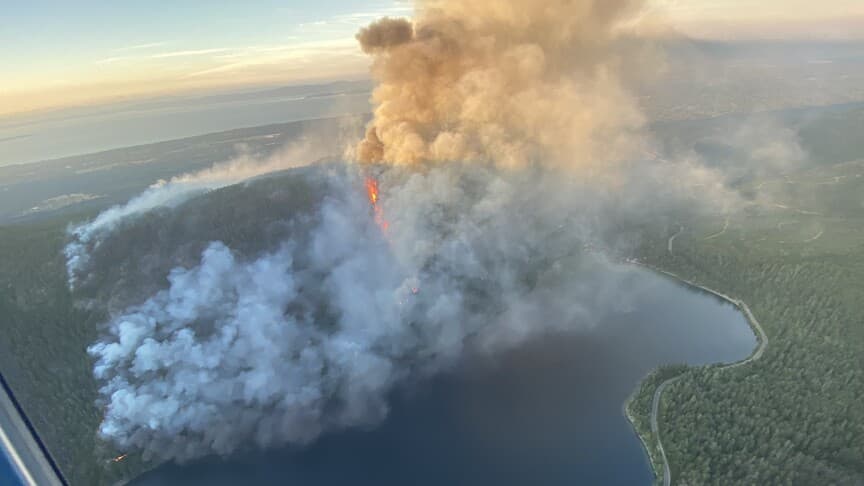
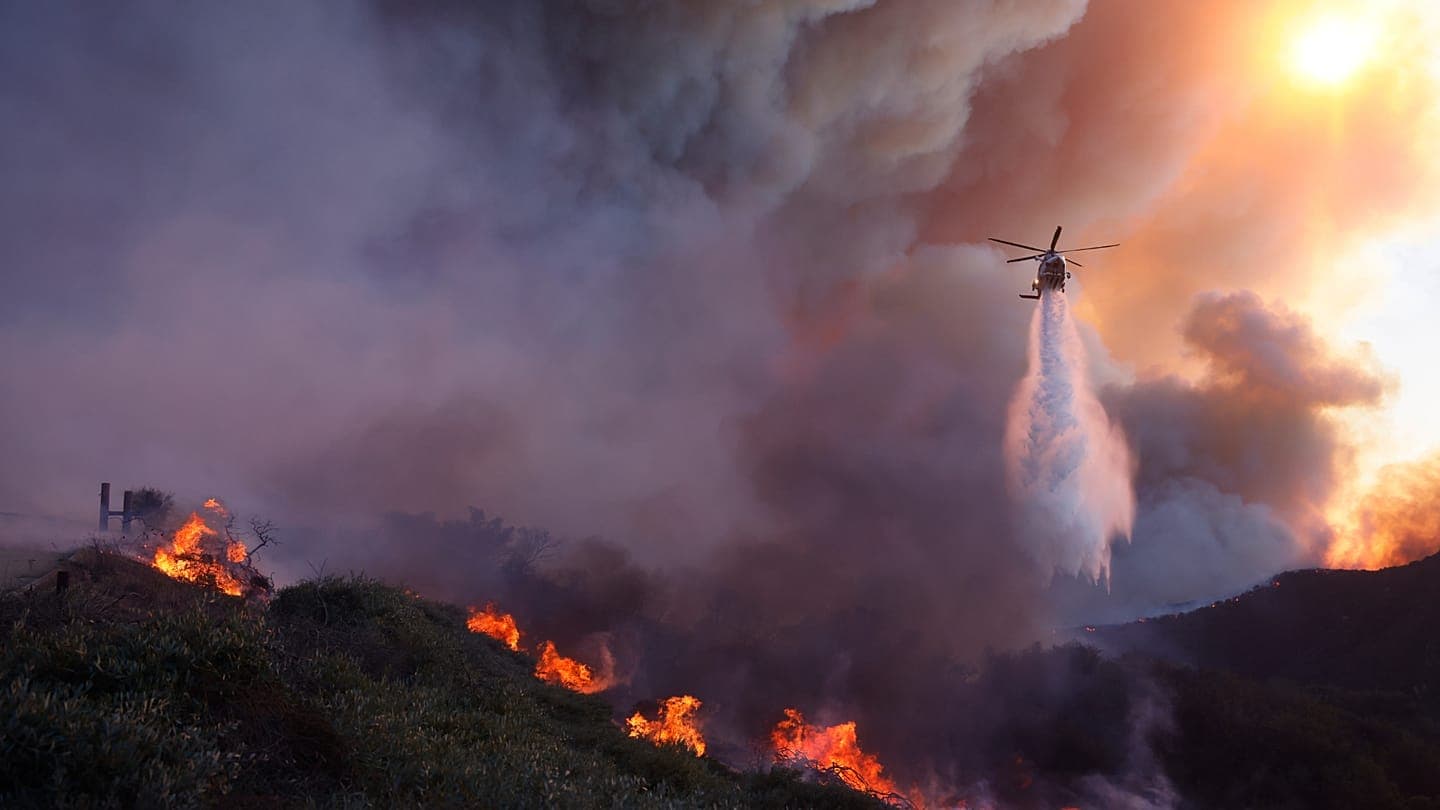
Wildfire smoke contains fine particles, gases, and other pollutants, and its composition changes depending on what is burning: fire can destroy plastics, electronics, and paints that release toxic chemicals. Particles penetrate deep into the lungs and can cause inflammation throughout the body — this is one possible pathway affecting the course of pregnancy and fetal development. The study's lead author, epidemiologist at the Rutgers School of Public Health Stefania Papatheodorou noted that pregnancy is a period of rapid brain development, when environmental exposures can disrupt important formative processes, and that smoke can travel far beyond the areas of the fires, with exposure possible even when the smoke is not visually noticeable. The authors emphasized that the study was observational and cannot establish a causal link between smoke exposure and the development of autism.
Context and practical significance
Wildfire smoke had previously been linked to negative health effects, including asthma, chronic lung disease, and mental health disorders — a separate study on the link between air pollution and suicidal thoughts had previously been published on this topic. According to Papatheodorou, the new work underscores the importance of monitoring fires and air quality during pregnancy; possible measures include more accurate air quality forecasting and strategies to limit smoke infiltration into indoor spaces. The authors call understanding the role of prenatal environmental exposures in the emergence of autism, alongside genetic and other factors, an important direction for further research.