The key facts
- Kanzan sakura flower extract reduced signs of skin cell aging and increased type I collagen production in laboratory experiments
- 13 compounds were found in flowers at four blooming stages, including flavonoids and phenolic acids; the peak of active components was in half-opened flowers
- The results were published in the journal Frontiers in Nutrition; human trials have not yet been conducted
What the researchers found
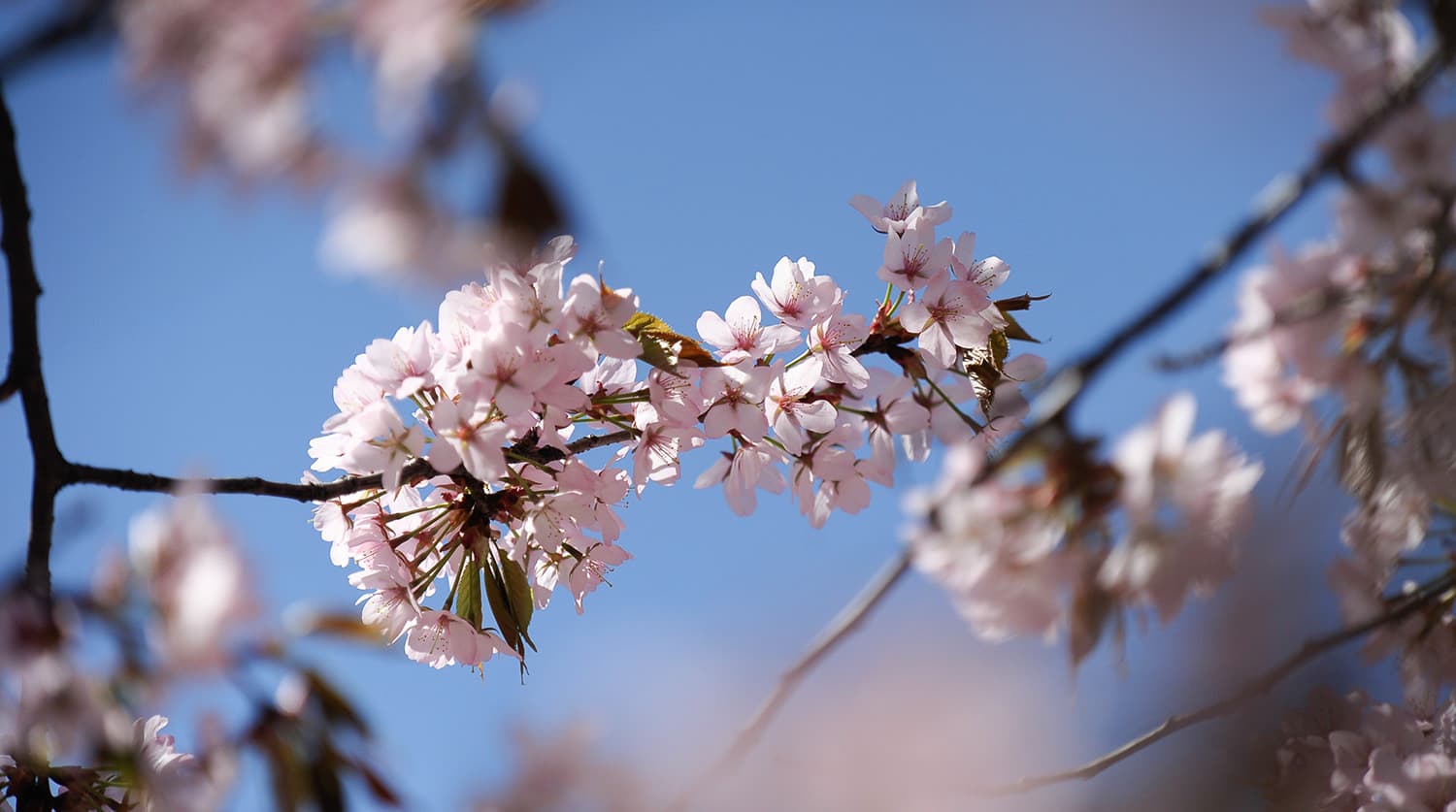
Chinese scientists tested the effect of an extract of Japanese sakura (Kanzan variety) flowers on human skin cells in the laboratory and concluded that it may protect cells from damage, reduce inflammation, and support collagen production. The work was published in the journal Frontiers in Nutrition, Gazeta.Ru reports on it.
Composition and course of the experiment
The researchers studied the chemical composition of flowers at four stages of blooming and identified 13 compounds, including flavonoids and phenolic acids with potential antioxidant properties. The highest content of the main active components was found in half-opened flowers. The extract was then tested on skin cells whose aging had been artificially accelerated with methylglyoxal — a substance that increases oxidative stress and damages cellular structures.
Results and their limitations
The extract and two of its main components reduced signs of cellular aging, lowered oxidative stress, helped restore cell structure, and increased the production of type I collagen — the protein that maintains skin firmness and strength. The authors believe sakura extract could become a promising ingredient in cosmetic products for mature skin, but they emphasize that the results have so far been obtained only in laboratory conditions, and further research will be needed to assess the effectiveness and safety of such products for humans. A related study was previously reported: three compounds protecting liver cells were found in citrus peels.