The key facts
- Pezeshkian: the US 'must lift threats and sanctions before any talks'
- Per Reuters, Iranian officials speak of dragging out talks until the November 3 elections and preparing for new strikes
- Iran offered to open the Strait of Hormuz within 7 days in exchange for lifting the naval blockade and sanctions
Tehran's demand: sanctions first, talks later
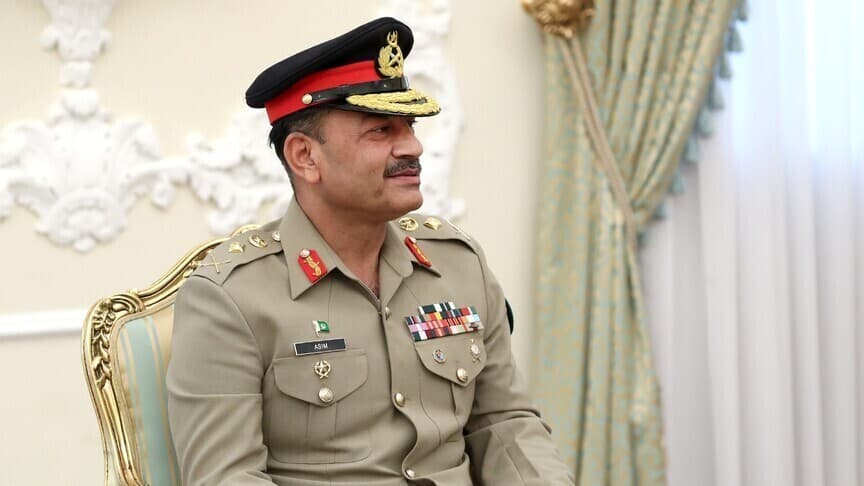
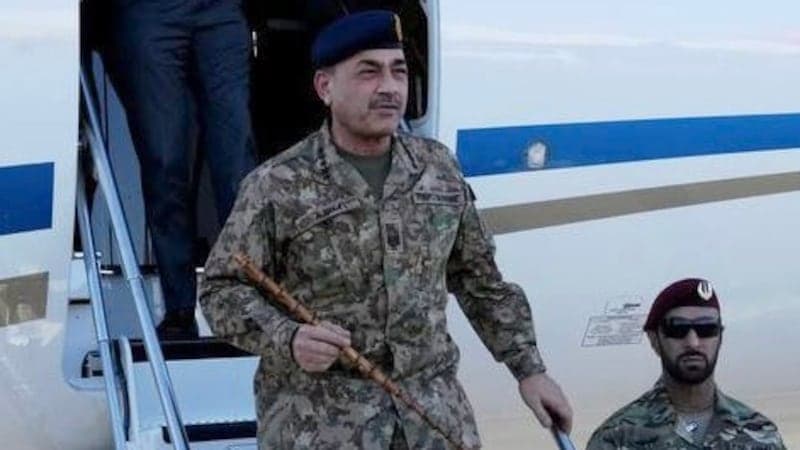
Iranian President Masoud Pezeshkian, during a meeting with Pakistani Field Marshal Asim Munir who arrived in Tehran, stated that the US 'must lift threats and sanctions before any talks.' According to Iranian state media, he emphasized: 'It is impossible to tighten sanctions and pressure day after day, block the routes into our country, and then declare dialogue and negotiations.' Munir's visit with an official delegation took place against the backdrop of diplomatic efforts to end the war that have reached a dead end.
Qatar: contacts never stopped
Qatar, acting as another mediator in the conflict, said on Tuesday that communication between Iran and the US 'has not stopped,' and the goal is to reach a solution 'as soon as possible.' Ibrahim Al-Hashmi, director of the media office of Qatar's Foreign Ministry, warned that threats to damage internet cables in the Strait of Hormuz, sea mines and oil spills would harm the countries of the region, including Iran, and called on Tehran to respect freedom of navigation and environmental protection. The statement came after remarks by Iran's Supreme National Security Council Secretary Mohsen Rezaei that, if hostilities resume, undersea cables, data centers and AI facilities in the region could be attacked.
Reuters: dragging out talks for the elections
Reuters, citing Iranian officials, reports that Tehran is deliberately dragging out talks with Washington in order to politically weaken President Donald Trump ahead of the November 3 midterm elections, while simultaneously preparing for possible new military action. One official told the outlet: 'Iran is preparing for new attacks by Israel and the US, not for a deal with America to end the war. The clerical establishment does not intend to give Trump a political victory.' According to sources, the chances of a breakthrough before November 3 are low, and Tehran's distrust of Washington deepened after the June 2025 strikes and the start of the war in February, which followed soon after another round of talks. At the same time, according to Reuters, Tehran believes the attacks could resume, despite Trump's statement that the US will not strike Iran before November 3.
Iran's conditions and the threat around Pickaxe Mountain
Tehran demands fulfillment of its conditions for a ceasefire and the opening of the strait before the start of nuclear talks. Iran offered to open the Strait of Hormuz under its control within seven days in exchange for lifting the US naval blockade, easing restrictions on Iranian oil exports, unfreezing assets and ceasing hostilities on all fronts. Iran's economy is facing growing pressure from sanctions and the blockade, and shipping through the strait has been seriously disrupted. The threat of new military action also concerns the deeply buried Pickaxe Mountain facility near the nuclear complex in Natanz, where, according to publications, Iran is building a heavily fortified underground structure of unclear purpose; Trump threatened a possible strike on it. Iranian Foreign Ministry spokesman Esmaeil Baghaei rejected suggestions that Washington could strike the facility without consequences: 'Do you think Iran would say