The key facts
- Field Marshal Asim Munir arrived in Tehran on Tuesday with a delegation including Interior Minister Mohsin Naqvi.
- Munir urged Iran to persuade the Houthis to stop attacks on Saudi Arabia, citing the Mecca pact of August 7.
- Iran insists on the US returning to the Islamabad memorandum of June 17; the sides agreed to continue indirect contacts through mediators.
The visit and the main topic of talks
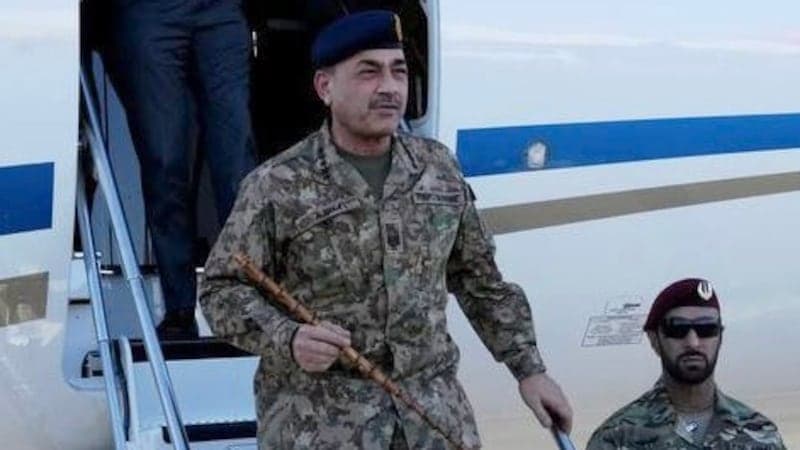
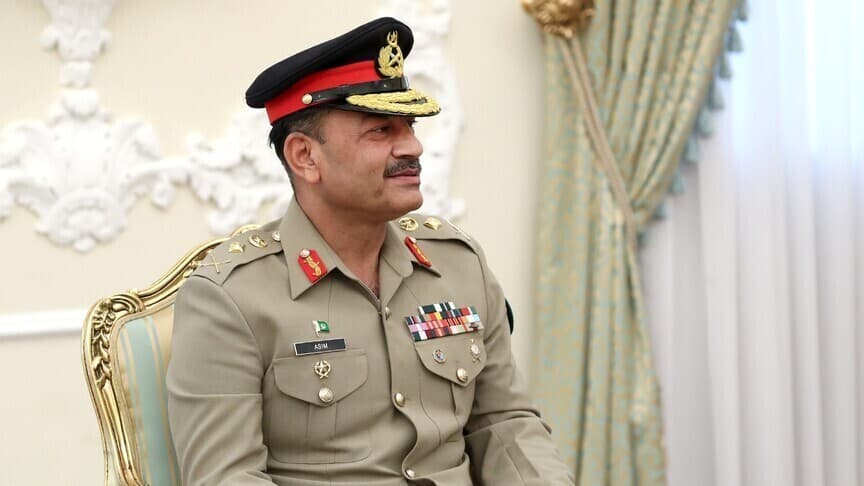
Pakistan's army chief Field Marshal Asim Munir arrived in Tehran on Tuesday accompanied by a delegation of officials, including Interior Minister Mohsin Naqvi, who is actively involved in the mediation process. According to Anadolu sources in the Pakistani government, Munir's meetings with the Iranian leadership focused primarily on the Houthi attacks on Saudi Arabia, as well as on Islamabad's ongoing efforts to resume talks between the US and Iran.
Call to stop the Houthi attacks
Munir, according to the source, once again urged the Iranian leadership to use its influence to stop the Houthi attacks on Saudi Arabia, explaining Pakistan's commitment to defending the kingdom under the Mecca joint defense pact. Iran, for its part, repeated its offer to mediate between the Houthis and Riyadh, saying it does not want further expansion of the conflict in the Middle East. Sources did not disclose details of Tehran's response to Munir's request.
Pakistan's defense commitments
Pakistan and Saudi Arabia have signed two collective deterrence agreements — the Strategic Mutual Defense Agreement and the Mecca Joint Defense Alliance, which also includes Turkey. The Mecca agreement, signed on August 7, allows participants to consider an attack on one member an attack on all three. Pakistan army spokesman Lieutenant General Ahmed Sharif Chaudhry said in an interview last week that Islamabad is providing Saudi Arabia with 'any necessary support' to defend the kingdom amid the Houthi attacks, but did not specify its nature.
The topic of talks with the US
Munir discussed with Iranian President Masoud Pezeshkian, head of the negotiating team and parliament speaker Mohammad Bagher Ghalibaf, Foreign Minister Abbas Araghchi and Secretary of the Supreme National Security Council Mohsen Rezaei 'various ways' to resume the long-suspended direct talks with the US. According to sources, the Iranian side offered 'nothing new,' insisting that Washington must first return to the Islamabad memorandum of understanding. Iranian leaders told Munir that the US must take the first steps to restore trust, and that accepting Tehran's seven points could serve as a starting point for new talks. Pezeshkian, for his part, said the US must stop pressure and threats and lift sanctions before any talks.
Context of the memorandum and mediation
The sides agreed to continue the ongoing indirect exchange of messages between Washington and Tehran through mediators. Sources do not know whether Munir brought new proposals to Tehran on resuming the talks. Pakistan plays a mediating role in reducing tensions between Washington and Tehran amid the war started by the US and Israel on February 28. Washington and Tehran signed the memorandum on June 17, agreeing to advance talks over 60 days toward a permanent settlement of disputed issues, including Iran's nuclear program. However, the hostilities that began in July have called the future of the agreement into question.