The key facts
- Tom Barrack at the Global Security Forum in Doha called Iran 'not an evil regime,' separating the theocracy from the IRGC, which, he said, 'became an adversary'
- Barrack advocated a negotiated settlement: 'We've done 23 regime changes, and none of them worked'
- Rubio called Iran 'the No. 1 driver of instability' and compared Tehran's actions in the Strait of Hormuz to German submarine tactics in World War II
Statement Contradicting the White House Line
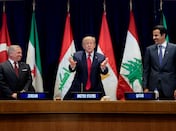
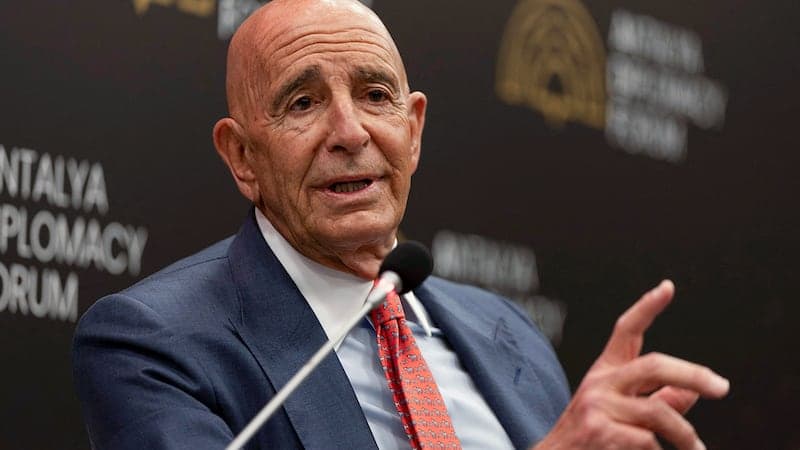
US Ambassador to Turkey Tom Barrack, who is also Trump's special envoy for Syria and Iraq, said on Tuesday at the Global Security Forum in Doha that the Iranian government 'is not an evil regime.' 'It's a theocracy. It's not an evil regime — it's a religious content and practice that we all respect,' he said. The statement diverges from the Trump administration's years-long rhetoric, which repeatedly used the word 'evil' about the Iranian regime, including in official White House statements and in speeches by Defense Secretary Pete Hegseth.
Distinction Between the Theocracy and the IRGC
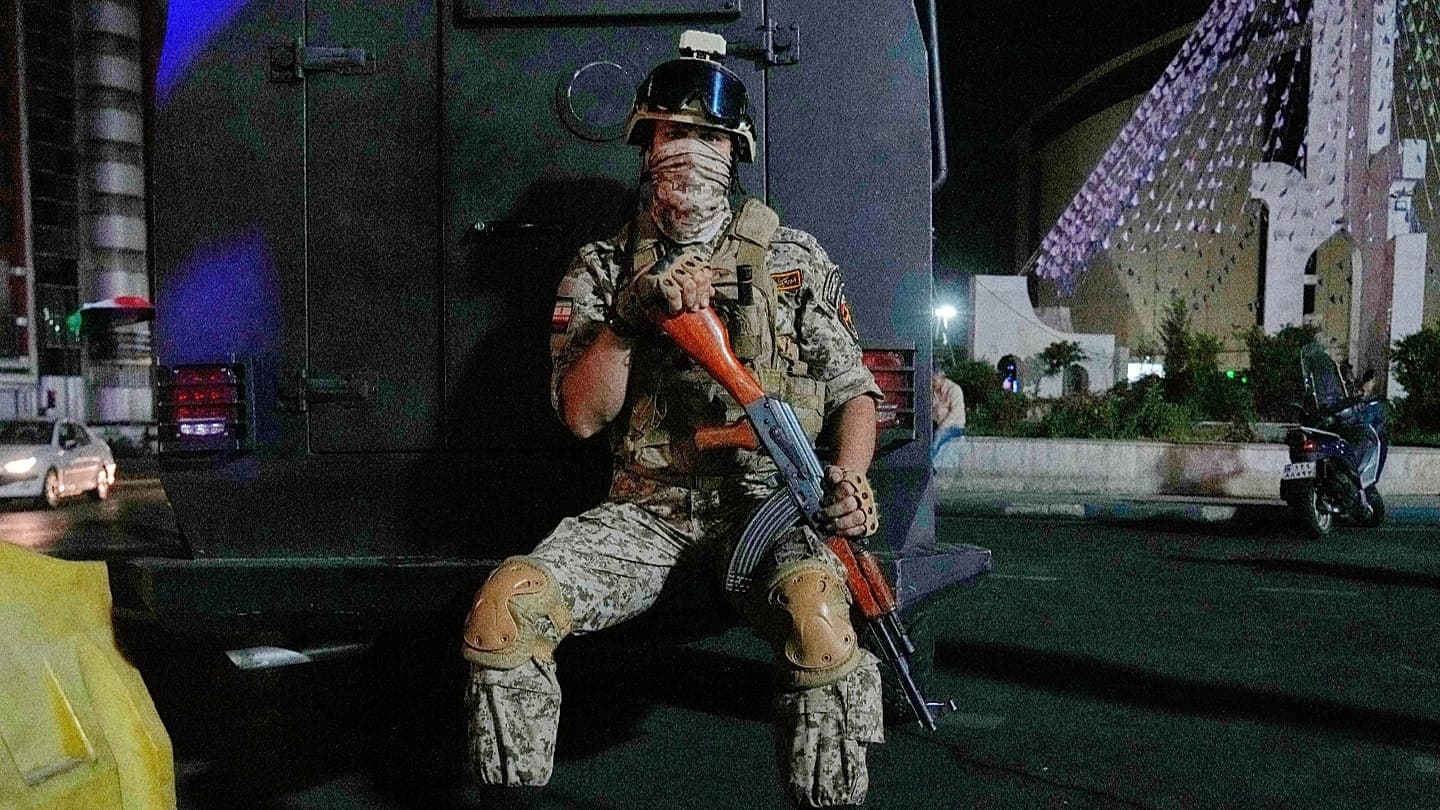
Barrack drew a distinction between Iran's ruling religious class and the Islamic Revolutionary Guard Corps, which, he said, 'became an adversary,' and whose role in relations with Israel 'was a problem.' He also advocated a negotiated settlement instead of regime change: 'We've done 23 regime changes, and none of them worked. Every time we try to intervene and change a person or a regime, it seems to turn out to be a mistake.'
Reaction and the State Department's Position
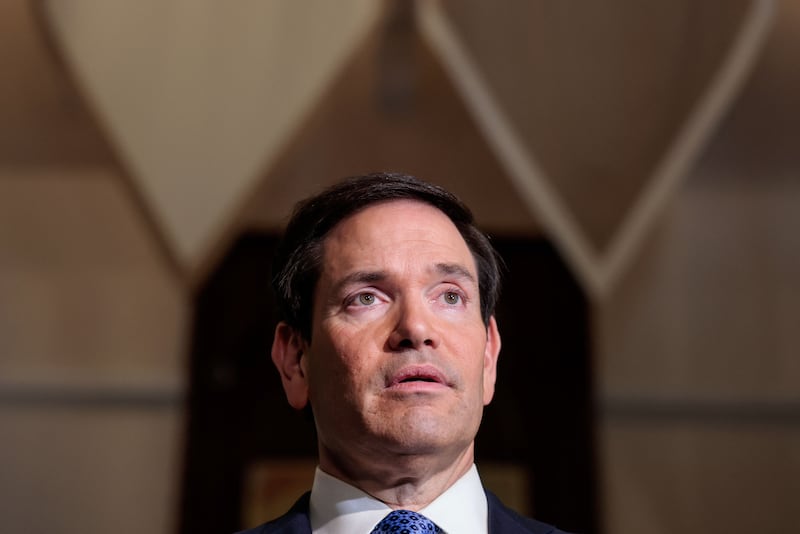
The State Department did not comment on the statement. Secretary of State Marco Rubio, in an interview with Breitbart News released on Sunday, called Iran 'the No. 1 driver of instability, war and conflict,' and the Islamic regime in Tehran 'the No. 1 obstacle to peace in the Middle East.' On Tuesday, during a visit to India, Rubio compared Iran's actions against commercial shipping in the Strait of Hormuz to the tactics of Nazi Germany's submarines in World War II. Barrack's statement drew sharp criticism from American conservative commentators: radio host Mark Levin accused him of having 'gone off the rails again,' 'pushing his own crazy agenda' and 'giving support and comfort to genocidal maniacs.'
Context: Deadlock in Talks and Russian Diplomacy
Washington and Tehran remain in a conflict that began almost eight months ago; talks on reopening the Strait of Hormuz and on Iran's nuclear program are in an apparent deadlock, despite signs of increased diplomatic activity in Tehran. On Monday, Russian Foreign Minister Sergey Lavrov met in Tehran with Iranian Foreign Minister Abbas Araghchi and President Masoud Pezeshkian, saying that Russia is ready to 'help in finding acceptable negotiated solutions.' The day before, in Bahrain, Gulf countries urged Lavrov to persuade Tehran to stop drone and missile attacks on its neighbors.
Energy Aspect of Rubio's Visit
During his visit to India, Rubio also raised the question of Reliance Industries potentially processing more Venezuelan oil and possibly increasing its participation in oil production in the country. The US seeks to increase global oil supplies to ease the shortage caused by the war with Iran and Russia's war against Ukraine.