The key facts
- The student movement, born after the Novi Sad tragedy, won the election; Vucic conceded defeat after 14 years of SNS dominance
- The student movement, which emerged after the tragedy in Novi Sad, won the election; Vucic conceded defeat after 14 years of SNS dominance
- According to the BBC, at least 135 candidates from the list won mandates, although the students themselves did not run
- The movement put forward an 11-point programme: fighting corruption, reforming the interior ministry and the media
- The movement put forward an 11-point program: fighting corruption, reforming the interior ministry and the media
Vucic conceded the student movement's victory
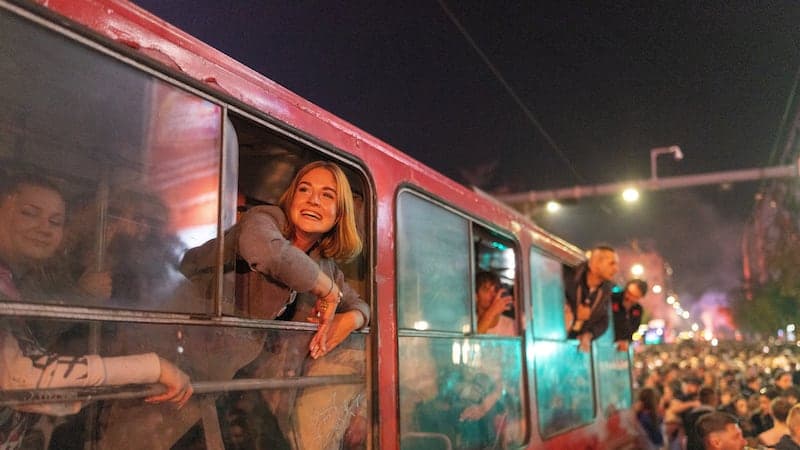
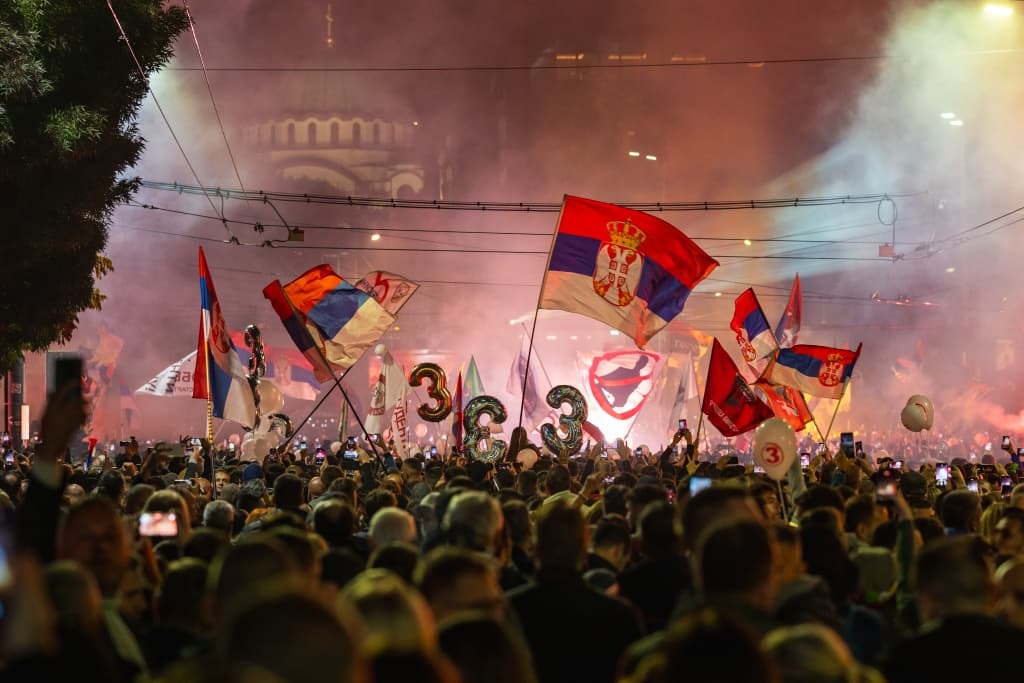
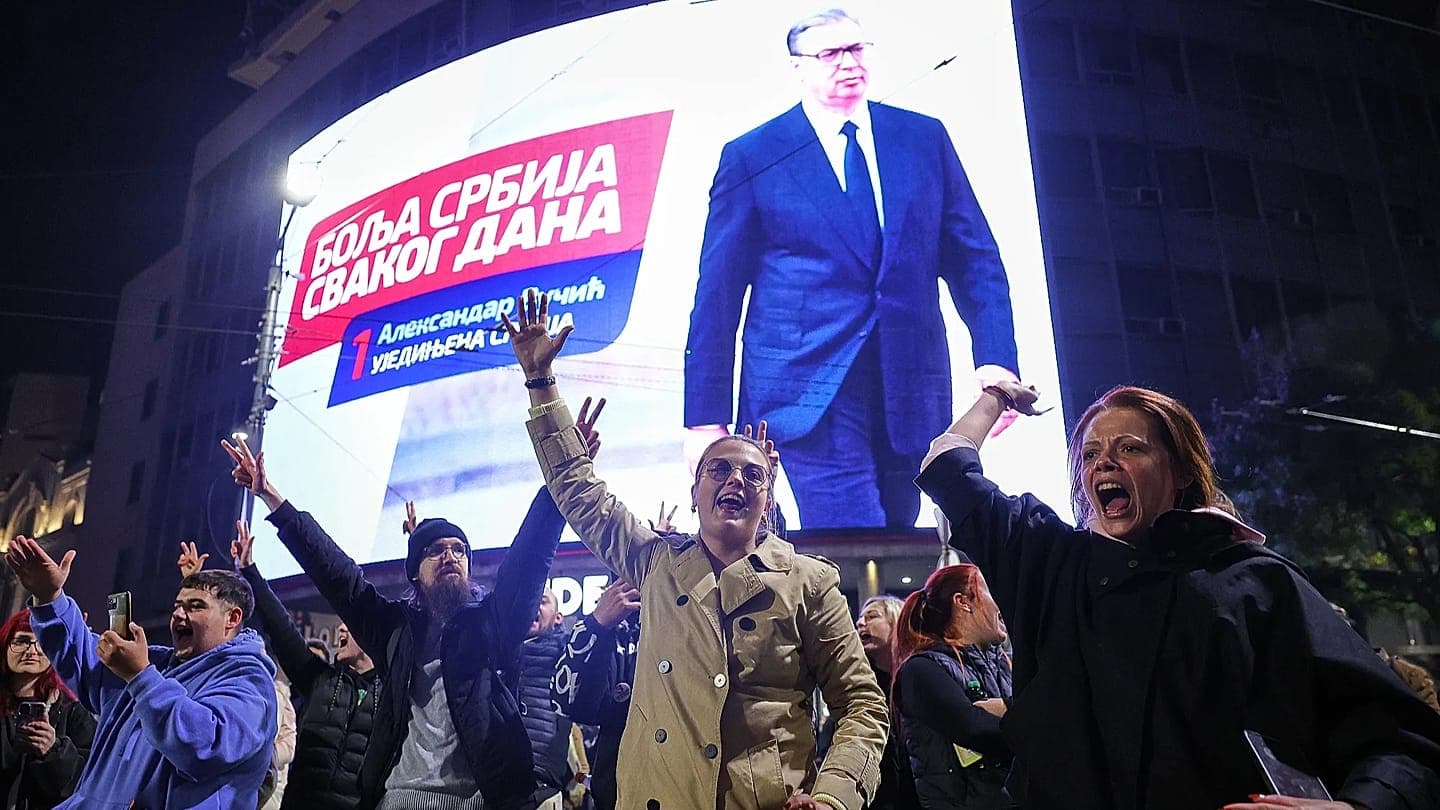
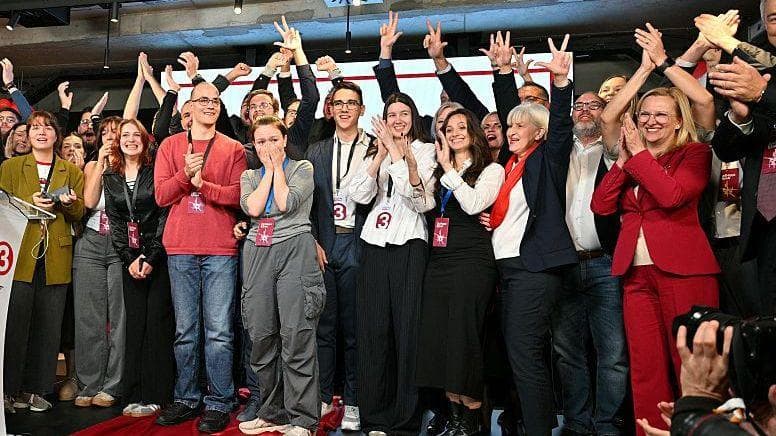
Serbia's leader Aleksandar Vucic on Sunday evening conceded the victory of the student movement the Student List — Students Win — in the parliamentary election, BBC News reports. According to the outlet, at least 135 candidates from the movement's list, which fielded candidates in all 250 electoral districts, won seats in parliament. The students themselves did not run in the election: their list was topped by Ilija Srdanovic, a professor of cardiology from Novi Sad, who, as the BBC notes, is not seen as a likely prime minister.
From the Novi Sad tragedy to a national movement
The movement began on 1 November 2024, when a concrete canopy collapsed at Novi Sad railway station, Serbia's second-largest city; 16 people were killed. The tragedy was seen as a symbol of pervasive corruption, and critics linked the botched station renovation to the president, who had associated himself with the project. Weekly protests at universities and in the streets grew into a national movement joined by farmers, actors and judges. In January 2025 the prime minister resigned 'to ease tensions', and in March 2025 Belgrade saw the largest anti-government protest in Serbia's history. Organisationally, the movement structured itself through student assemblies — plenums.
The programme and Vucic's reaction
The elected deputies are to carry out the movement's 11-point programme: eradicate corruption by creating a police unit to arrest those responsible; purge the interior ministry of officers who violated rules in dispersing protests or were linked to organised crime; reform the media sphere and free the public broadcaster from political control; end the appointment of party loyalists to head state-owned enterprises. Vucic and the SNS deny corruption and influence over the media. Conceding defeat, he said the students had 'destroyed two years of life in Serbia' and would be defeated 'sooner than they think', and, according to the BBC, without evidence accused the movement of being backed by 'European countries and the American deep state'. A symbolic moment was the dismantling of the expired camp of Vucic's supporters — the so-called Caciland in Pioneer Park in central Belgrade.
Who will govern Serbia
Among the elected deputies are former basketball star Dejan Bodiroga (24th on the list), actor Tihomir Stanic (8th), opera singer Nikola Mikic (46th), former governor of the National Bank of Serbia Dejan Soskic (27th) and a significant number of professors. Soskic's name was mentioned in connection with the post of prime minister: he spoke about economic reforms and was criticised in pro-government media. Expert Helena Ivanova (Henry Jackson Society) noted that the movement managed to turn emotional momentum into an organisation and taught people to defend the integrity of voting at polling stations. Gordana Delic (German Marshall Fund) called the vote effectively a referendum with the message 'the rule of law, not the rule of those who make the law'. Editorially important: since the students themselves were not elected, it is the citizens nominated by the movement who, in its own words, 'received the mandate to carry part of the struggle from the streets into the institutions', and the movement will remain under pressure to deliver its programme.
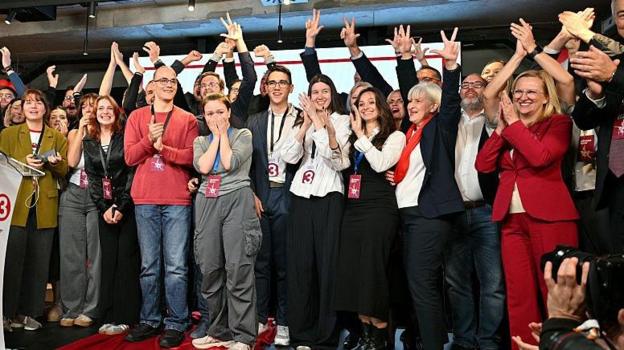 Image source, AFP via Getty Images
Although it was a students' movement that won Serbia's election, no student has been elected
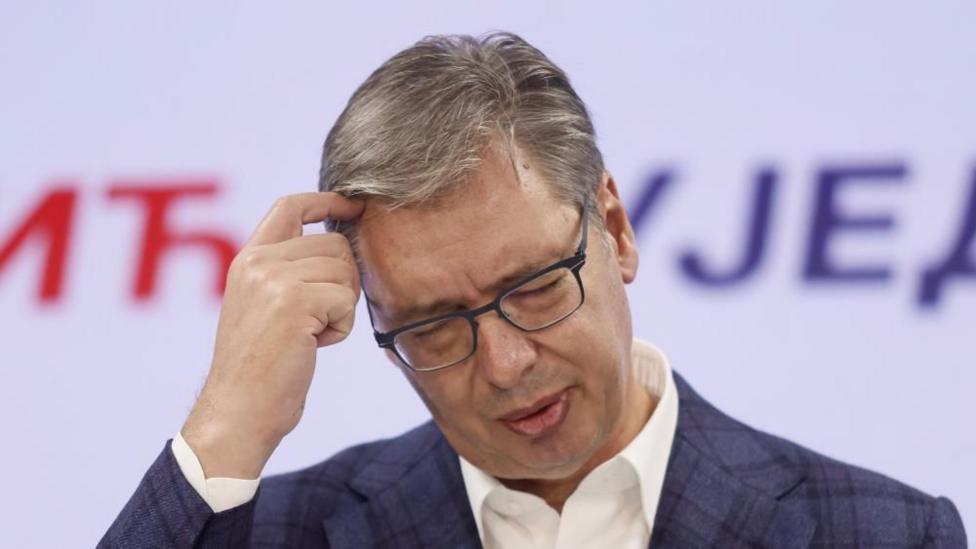 Image source, EPA/Shutterstock
Aleksandar Vučić conceded victory, but said the students' movement would fail
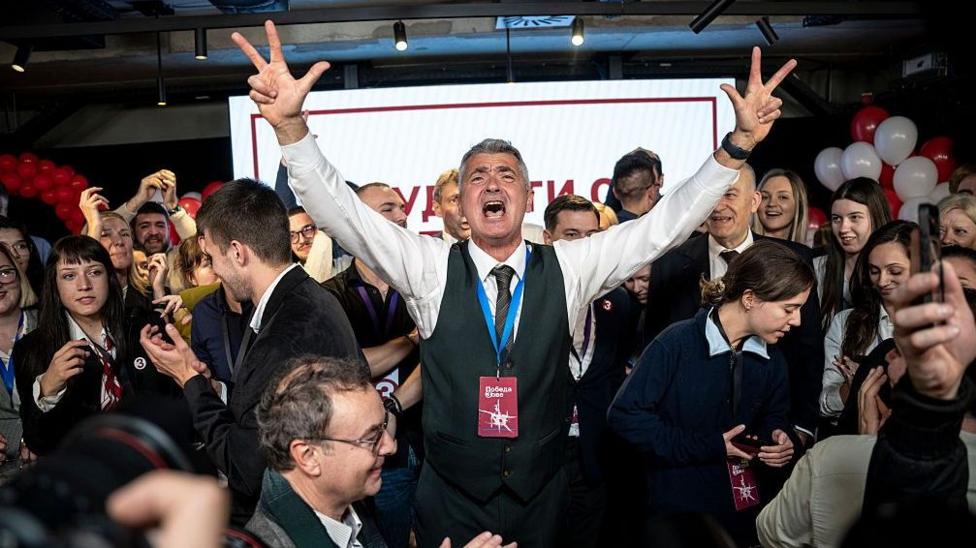 Image source, Getty Images
Ilija Srdanović topped the Student List's candidates but is not seen as a likely prime minister