The key facts
- Vucic conceded defeat: by his figures, the “Student List” wins 135–140 seats, the SNS about 105 out of 250
- Vucic admitted defeat: according to his data, the 'Student List' is receiving 135–140 seats, and the SNS about 105 out of 250
- Turnout was about 69–70% — the highest since 1992
- The movement grew out of protests after 16 people died in the collapse of the Novi Sad railway station canopy in 2024
- The movement grew out of the protests after 16 people died in the collapse of the railway station canopy in Novi Sad in 2024
Vucic concedes defeat
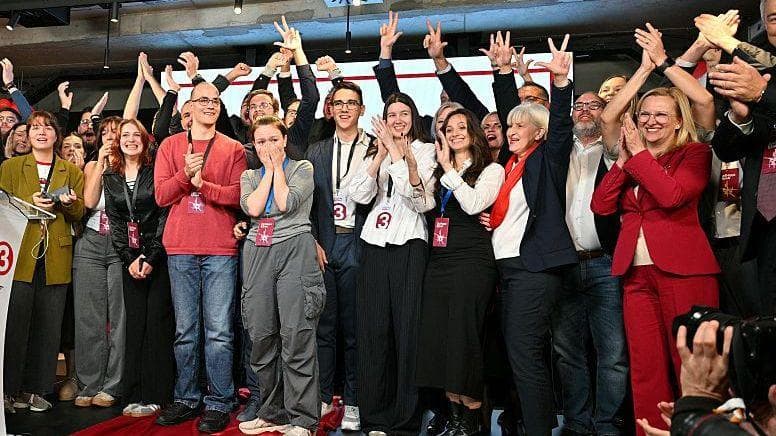
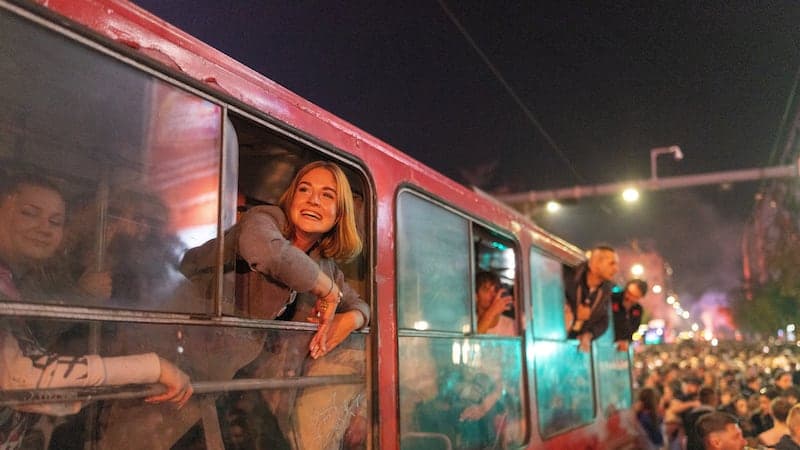
Serbia's incumbent leader Aleksandar Vucic conceded defeat for his Serbian Progressive Party (SNS) in Sunday's parliamentary election. “By the stratified sample, it is clear that we have lost this election”, he told supporters at the SNS headquarters in Belgrade. According to him, preliminary counts give the “Student List” 135–140 seats, while the SNS gets about 105 out of 250. According to The National, citing Bloomberg, the movement won more than 2 million votes in a country of 6.5 million people, giving it a simple majority in parliament. At the same time, Vucic accused independent media, as well as — without providing evidence — “some European countries and the American deep state” of interference, and promised to return: “I will take them apart far sooner than they think.”
Record turnout
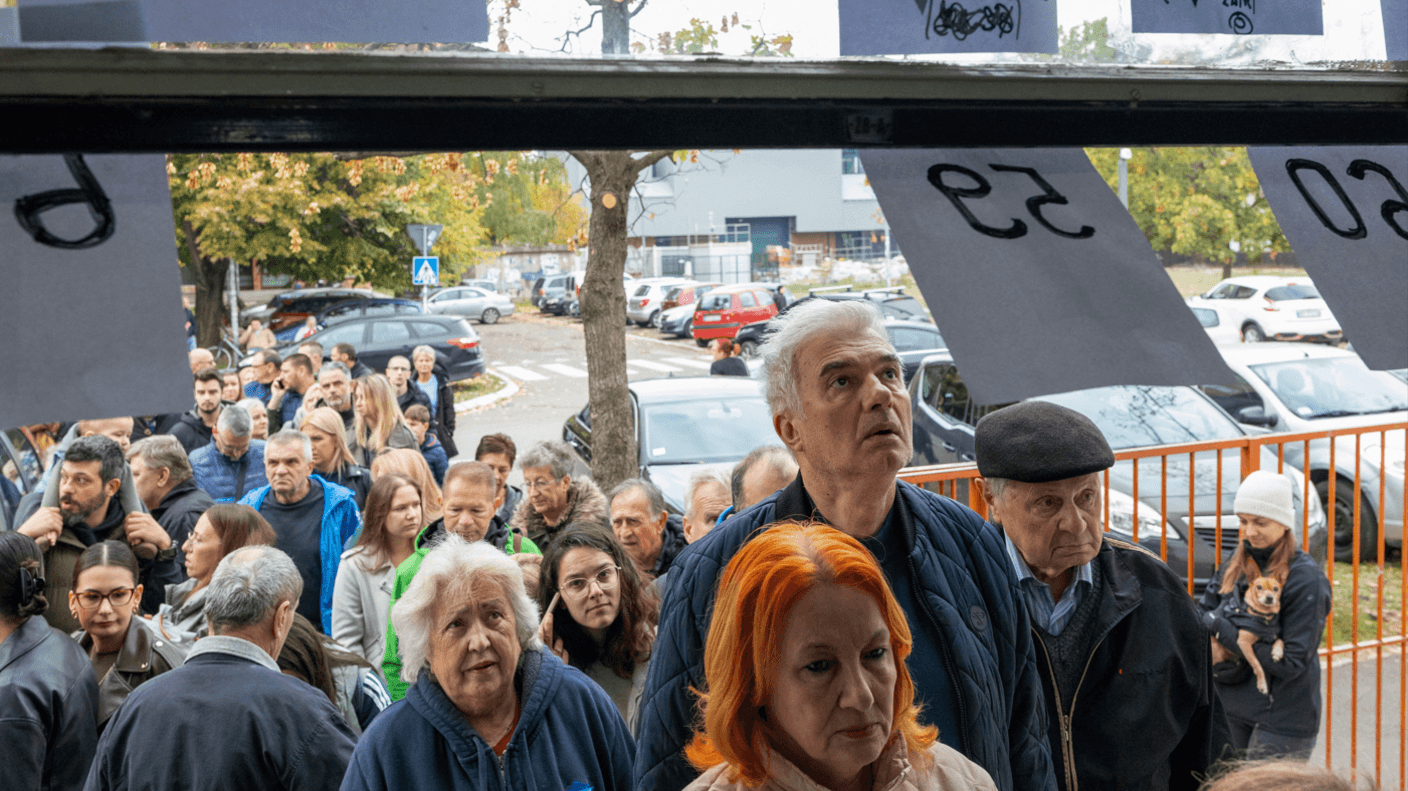
The election took place amid fierce competition and high turnout. According to the independent monitoring group CRTA, 41.1% of voters had cast ballots by 1 p.m., compared with 26.6% at the same point in the December 2023 election. By 6 p.m., two hours before polls closed, turnout had reached 64.89%, said Branko Josipovic, director of the Statistical Office of Serbia. Serbia's election commission put final turnout at almost 70% — the highest figure since the breakup of Yugoslavia in 1992; The National cites a figure of 69% and calls it a 33-year record.
From protests to elections
The “Student List” is a new movement that grew out of mass student protests that lasted nearly two years. Their trigger was the collapse of a canopy at the Novi Sad railway station in 2024, which killed 16 people. The disaster sparked a broad wave of anger over alleged corruption, low construction standards and a lack of accountability for infrastructure projects; the authorities rejected these accusations. The actions, which began with student blockades and marches, were supported by teachers, farmers and other segments of society. According to Deutsche Welle, the movement has become the largest in Serbia since the fall of Slobodan Milosevic in 2000. The list is led by cardiologist Ilija Srzdanovic, who is nevertheless not the movement's leader and has not been nominated as a candidate for prime minister.
The end of more than a decade of rule
The SNS has won every parliamentary election since 2012 and has dominated Serbian politics ever since. Vucic became prime minister in 2014 and president in 2017. After early elections were called, he stepped down from the presidency to run for prime minister: his second presidential term was due to expire in May 2027, and the constitution bars a third term. Critics accused him of concentrating power, pressuring independent media and weakening democratic institutions — he and his party reject these accusations. According to The National, only two major political camps will effectively remain in the new parliament, while the Socialists, once led by Milosevic, will fail to enter parliament for the first time in 18 years.
Reaction in Europe and uncertainty ahead
The election was closely watched in Europe: Serbia is a candidate for EU membership, although the process is complicated by doubts about democratic standards and the rule of law. European Commission President Ursula von der Leyen congratulated the “Student List” and said she was ready to support reforms of the rule of law, media freedom, anti-corruption efforts and democratic institutions. Council of Europe Secretary General Alain Berset also expressed readiness to work with Serbia's democratically elected leadership. Hungarian Prime Minister Viktor Orban, a Vucic ally, lost an election to Peter Magyar six months ago; Magyar congratulated the Serbian movement on X.
What comes next is unclear
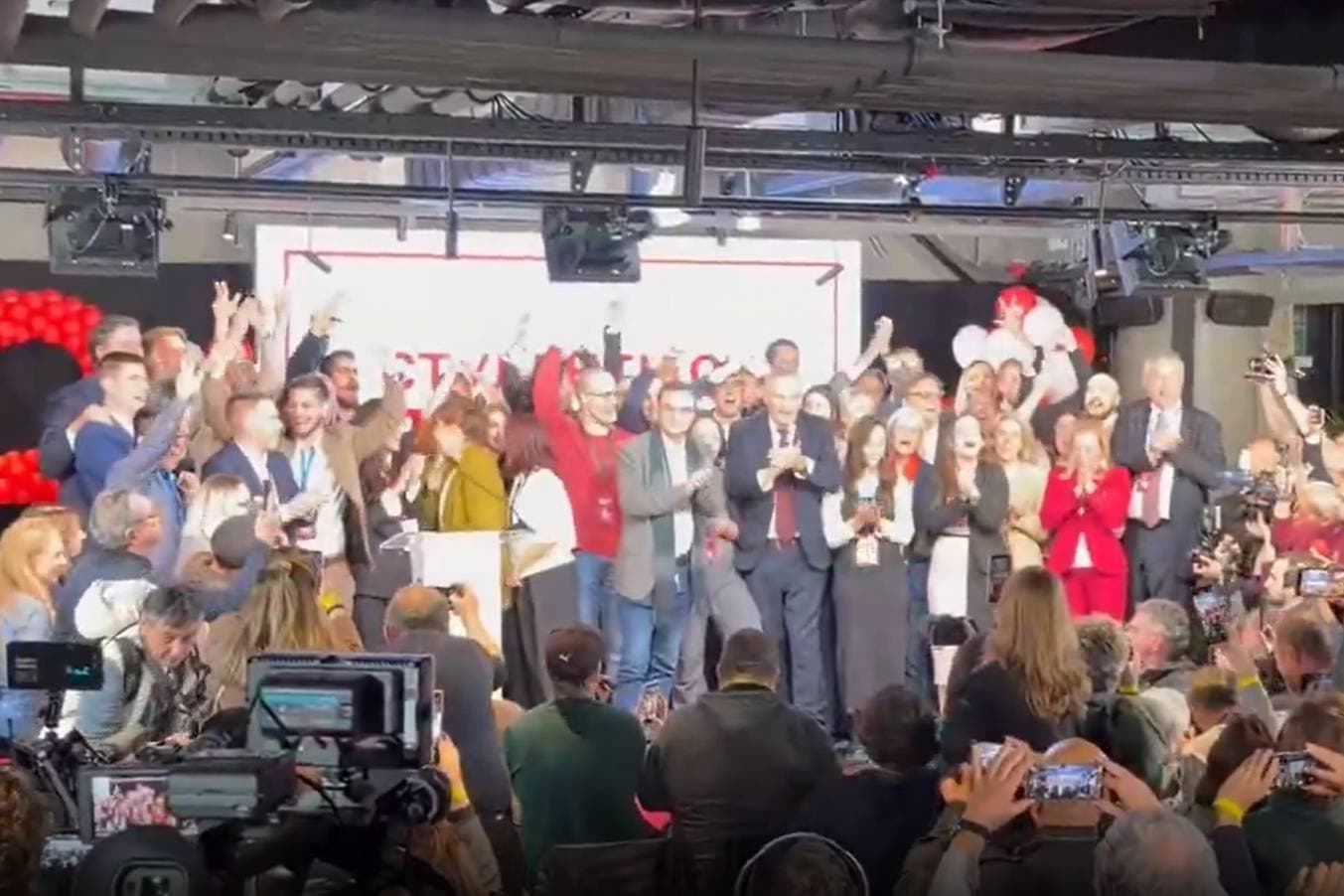
The prospects for the new majority remain uncertain. The movement has no single leader and operates through a network of “plenums” — seats; it has not yet announced its candidate for prime minister. On the night of victory it was late with its speech, as its representatives could not agree on who would speak on its behalf. Its representatives promised to fight corruption, reform the judiciary, improve election conditions and broaden media diversity, as well as to review major infrastructure contracts, including the $2.4 billion Expo 2027 project. According to The National, EU accession is not an immediate priority: the movement believes the country could decide this question in a referendum if it receives an invitation. Independent political analyst Zarko Puhovski noted that the list will find it very difficult to organize the transfer of power, which Vucic will likely try to boycott, and that the list consists mostly of people without political or administrative experience. The geopolitical course is also in question: before the elections, the movement's representatives were cautious on the issues of non-recognition of Kosovo's unilateral secession and sanctions against Russia.