The key facts
- Lula received 51.76% against 48.24% for Flávio Bolsonaro — a gap of more than 4 million votes (Superior Electoral Court)
- Lula took 51.76% against 48.24% for Flavio Bolsonaro — a gap of more than 4 million votes (Superior Electoral Court)
- For the first time since 1989, a candidate who lost the first round won the runoff
- The new term begins January 5, 2027; the Congress is the most right-wing in Brazil's democratic history
- The new term begins on January 5, 2027; Congress is the most right-wing in Brazil's democratic history
Victory in the runoff
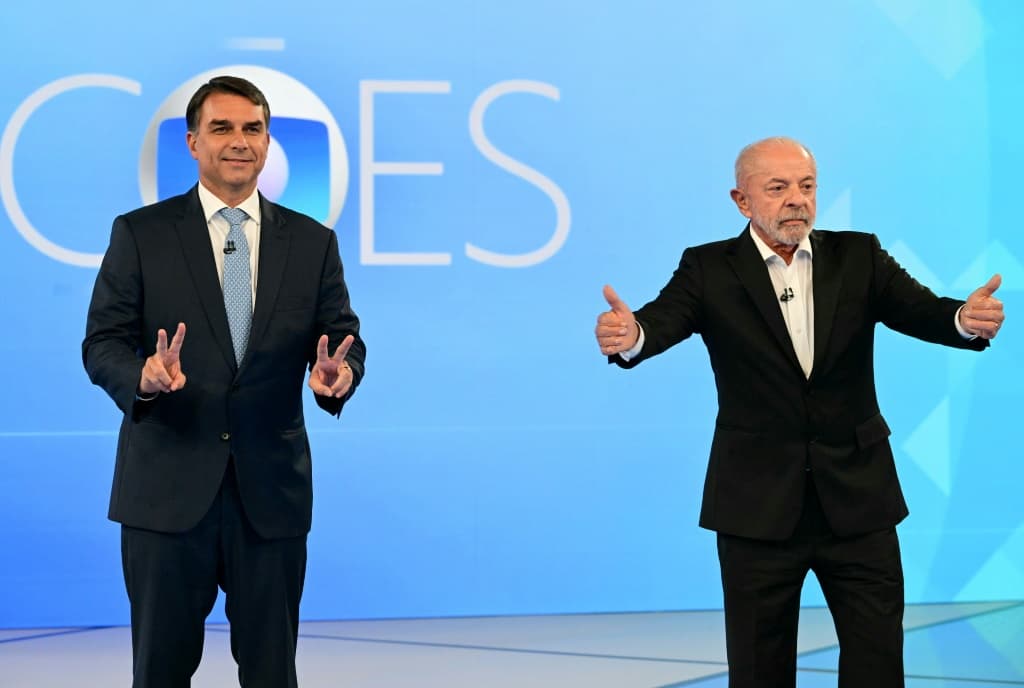
Brazil's incumbent president Luiz Inácio Lula da Silva has been declared the winner of Sunday's runoff presidential election. According to the Superior Electoral Court (TSE), after nearly all polling stations were counted, he received 51.76% of valid votes against 48.24% for Senator Flávio Bolsonaro — a gap of more than 4 million votes, Anadolu reports. In the first round on October 4, Bolsonaro led Lula with 47.03% against 45.16%, and the three-week campaign between the rounds was extremely tense.
A historic comeback
The result was unprecedented: as Anadolu notes, citing Brazil's Chamber of Deputies, Lula is the first candidate in the country's democratic history to finish second in the first round and still win the presidency. According to the G1 portal, he is also the first Brazilian president elected to four terms by direct vote (victories in 2002, 2006 and 2022; he previously governed in 2003–2010 and since 2023). Turnout in the runoff showed 19.22% abstentions versus 21.08% in the first round; about 3.24% of ballots were declared invalid.
The campaign and the rival
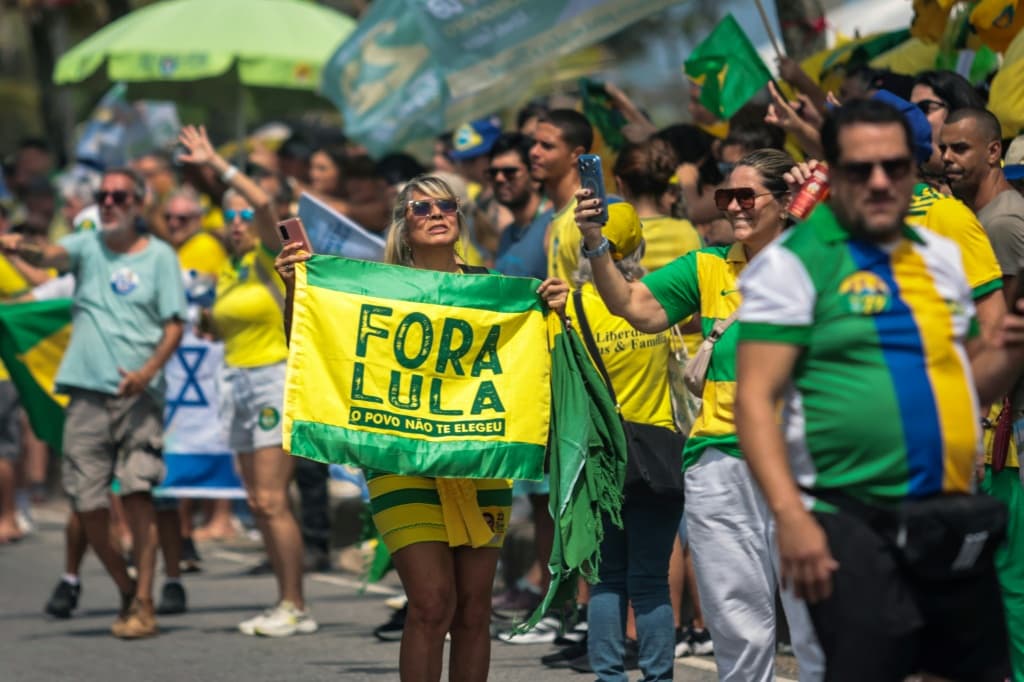
Flávio Bolsonaro, a 45-year-old senator and the eldest son of former president Jair Bolsonaro, sought to return the family to the presidential palace, Anadolu writes. According to BBC News, Lula's campaign revived after his first-round defeat thanks to street demonstrations and an intensive social media campaign; in the first round the lead changed hands several times until Lula pulled ahead thanks to votes from cities and the densely populated Northeast. The BBC also notes that Lula went against the regional trend: conservatives are currently in power in Argentina, Chile and Colombia.
The winner's statements
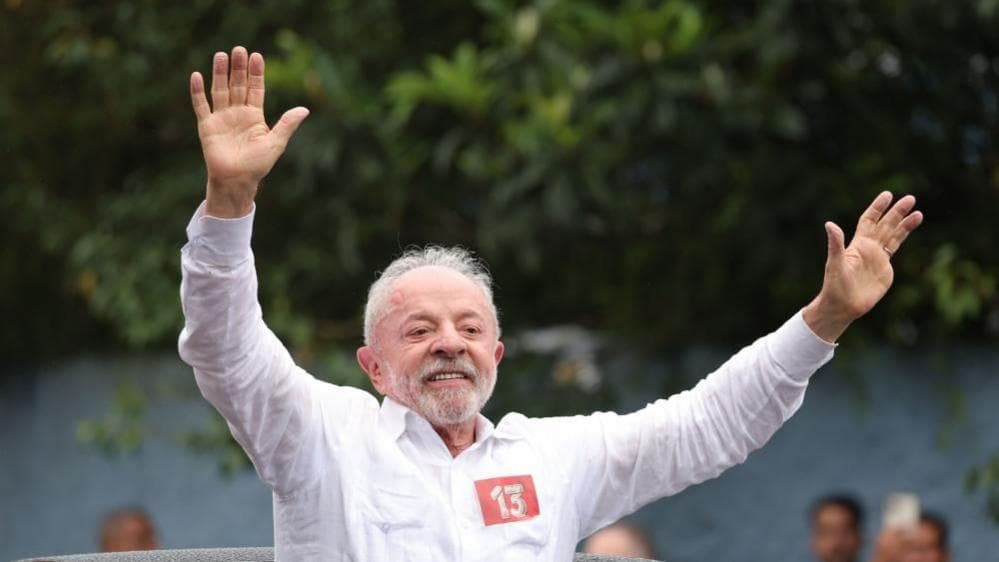
In an address to his supporters, Lula promised to govern the country in the interests of all Brazilians: “No one is obliged to love the elected president, but he must govern for everyone,” Anadolu quotes him as saying. He called the outcome “a defeat of denial and lies” and declared that “this country will not be anyone's backyard,” emphasizing sovereignty and an ambitious climate agenda: “We want to be a central country, not a peripheral one.” According to the BBC, before the election he called the vote “a dividing of the waters for Brazil” and promised “a new way of governing,” without giving details.
Context and constraints of the new term
BBC News points out that the new mandate, beginning January 5, 2027, will be Lula's most difficult since 2003: he will have to work with the most right-wing Congress in Brazil's democratic history, where Bolsonaro's Liberal Party achieved the greatest electoral success and more than 48% of voters backed his rival. The outlet also notes the foreign policy context: the Donald Trump administration did not directly support Flávio Bolsonaro, but would have preferred a conservative leader in the country with the world's second-largest rare earth reserves; Bolsonaro promised closer ties with Washington, while Lula warned the US against interference. Environmentalists, according to the BBC, welcomed the victory, fearing weakening Amazon protection under Bolsonaro. Anadolu adds that the new administration will have to balance the budget while expanding social programs.
Why it matters
The election result determines the course of South America's largest country for the next four years — from climate policy to relations with the US and China — directly affecting global commodity markets and the climate agenda. For Brazilians themselves, the practical consequence is Lula's upcoming work with a hostile Congress dominated by his rival's party, which, sources estimate, will complicate both social programs and budget policy. It remains unclear what exactly the promised “new way of governing” will be: according to the BBC, Lula did not reveal specific details.
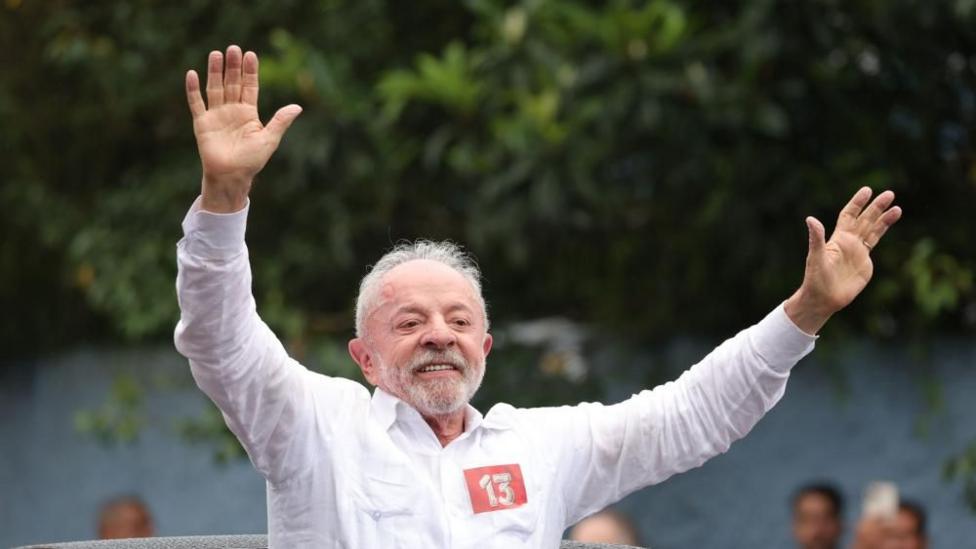 Image source, EPA/Shutterstock
Lula has now won four presidential elections
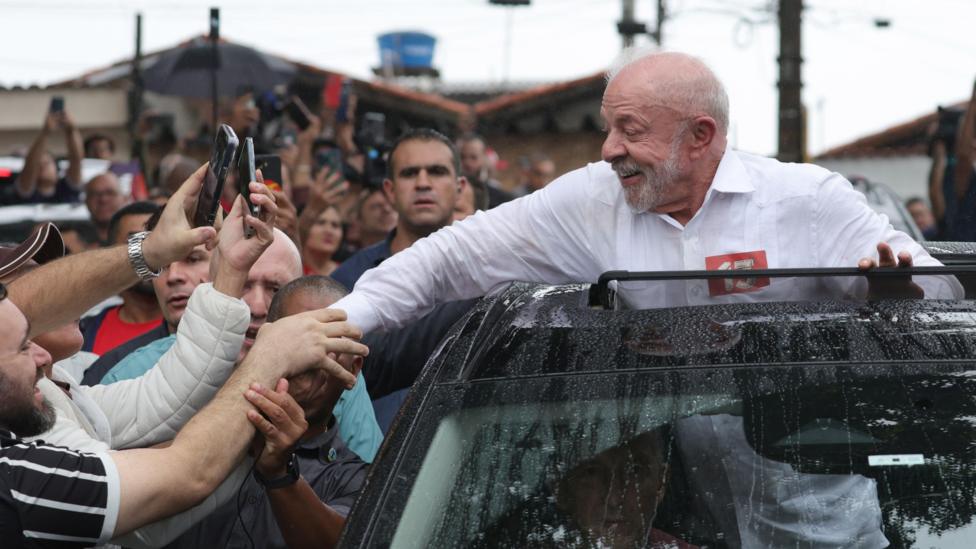 Image source, EPA/ Shutterstock
Lula greets supporters after casting his ballot on Sunday
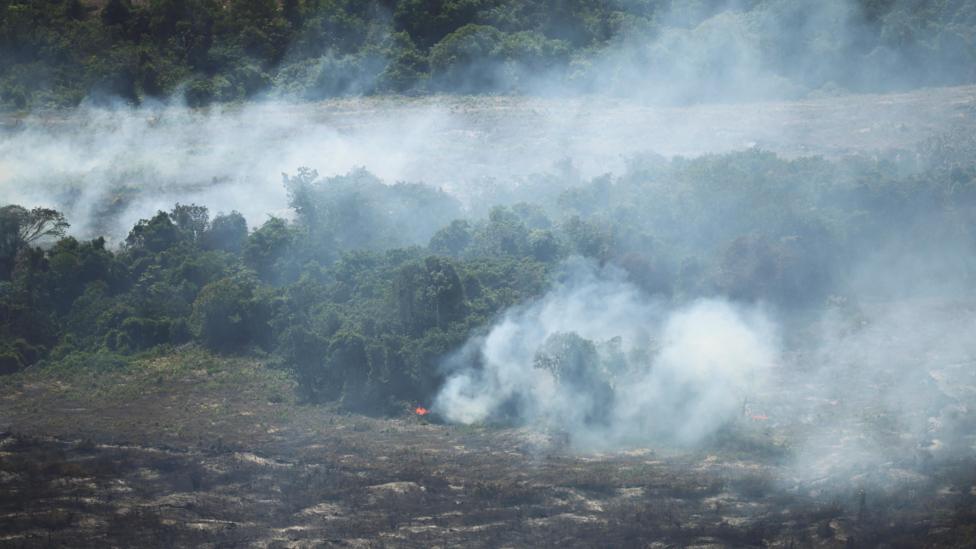 Image source, Reuters
An aerial view from a Greenpeace flyover shows a fire burning in the Amazon rainforest during the UN Climate Change Conference (COP30), held near Centro Novo in the state of Maranhao, Brazil, in 2025