The key facts
- More than two-thirds of Alberta voters preliminarily rejected holding a binding secession referendum
- Prime Minister Mark Carney welcomed the result; separatist leaders promise to continue the campaign
- Danielle Smith is criticized for lowering the petition threshold; nine more autonomy questions were also on the ballot
A decisive defeat for separatists
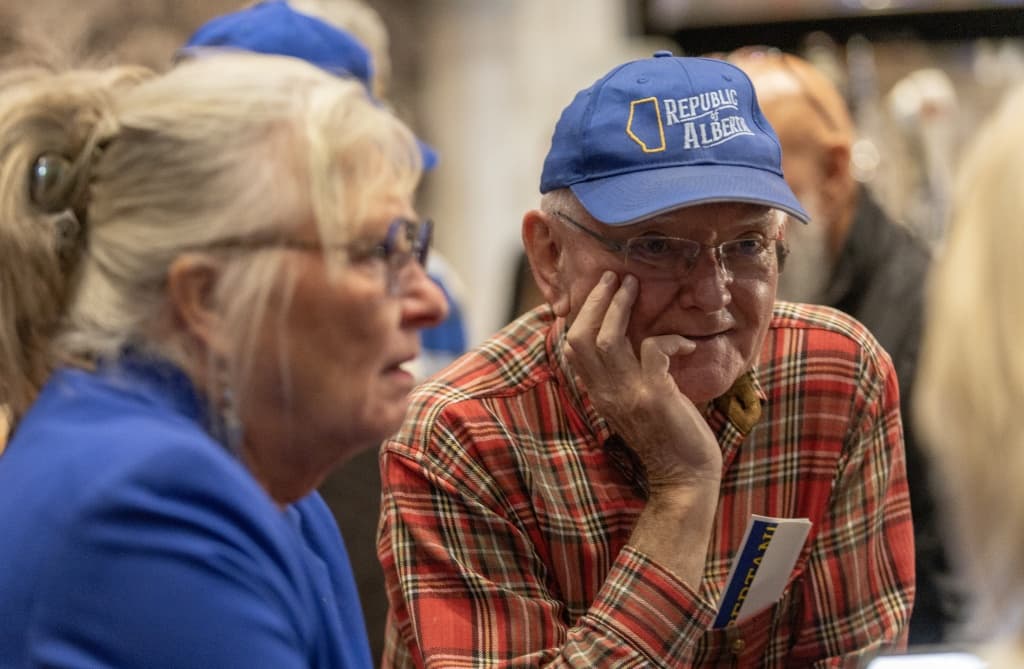
According to preliminary results of the referendum in the Canadian province of Alberta, more than two-thirds of voters spoke against holding a binding referendum on the province's exit from Canada. The BBC notes that once final results are counted, such a confident rejection could halt separatist sentiment and return an idea discussed for decades to the political periphery. Separatist leader Mitch Sylvestre, asked by the BBC how he felt, answered with a single phrase: 'Not happy.'
Reaction of authorities and separatists
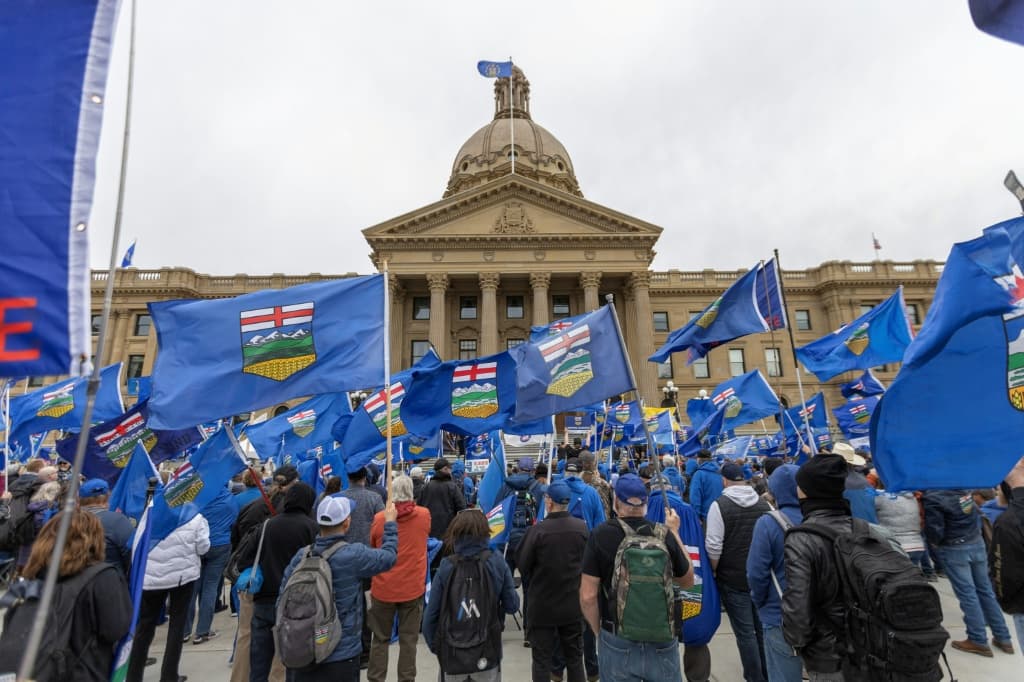
Canadian Prime Minister Mark Carney almost immediately congratulated on the result, saying that 'Albertans have made a clear choice.' He added that his plan is to unlock Canada's potential as a 'global energy superpower with Alberta at its core.' Separatist leaders, however, said the fight is not over. Calgary lawyer Jeffrey Rath, one of the main representatives of the separation movement, said they 'intend to roll up our sleeves and work harder.' Another separatist, Keith Wilson, told supporters in Calgary that although the vote is over, 'the conversation about Alberta's future in Canada, about our place and role in Canada, will continue.' Rath also cited the example of Quebec, where the sovereignist Parti Québécois 'just formed a government with 28% of the vote,' and suggested that Alberta separatists could repeat something similar in the future.
Criticism of Premier Smith
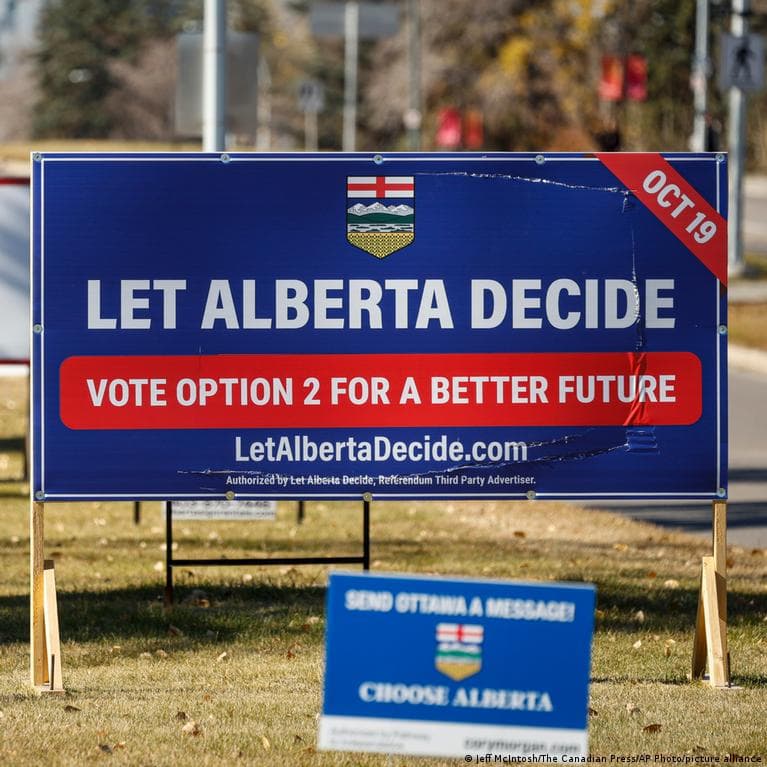
Alberta Premier Danielle Smith openly supported the unity vote and thanked voters for the result. She was criticized for a 'dangerous' risk: she lowered the signature threshold needed to put a citizen-initiated campaign on the ballot, and by making Monday's result non-binding, she circumvented a court ruling that had blocked the petition because First Nations indigenous peoples, whose lands would be affected by separation, had not been consulted. According to the BBC, this risk could test her leadership of the United Conservative Party, which she has led since 2022. Rath said she 'has lost the trust of the party base.' Earlier in the week, Smith told CBC that she would not hold an independence referendum if Albertans voted against it, as long as she is premier.
Motives of opponents of separation
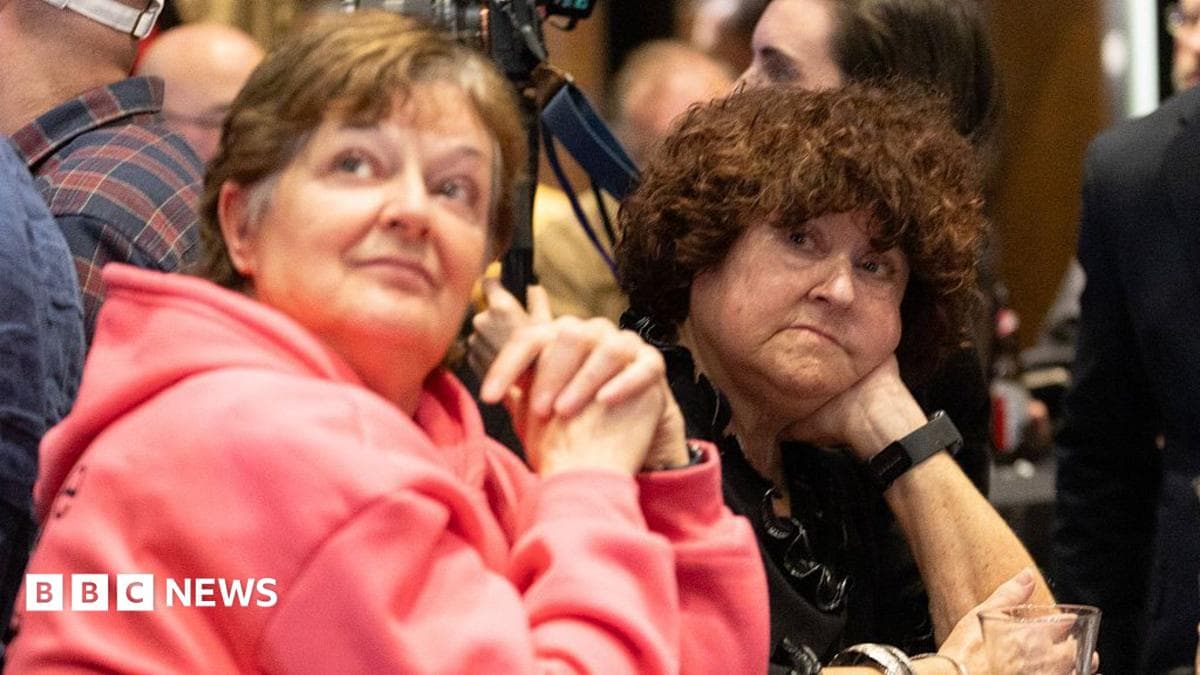
Albertans who voted against the independence referendum told the BBC they were guided by a desire to preserve the country's unity, especially against the backdrop of tariff threats from the United States. They also feared that an independent Alberta could be vulnerable to external influence or even annexation. Prominent unity supporter Thomas Lukaszuk, at an election-night results watch in Edmonton, said that with the early results he was proud to be an Albertan, addressed the separatists, acknowledging that 'some of the questions they raised are legitimate,' and called on the province to do the hard work of healing divisions. 'I never want us to hold another referendum like this,' he said.
Roots of separatism and future prospects
Separatist sentiment in Alberta has its roots in 'western alienation' — the long-standing feeling among parts of the western provinces that they are ignored by the federal government in central Canada. Supporters of independence and many supporters of unity believe Ottawa has long undermined the province's oil and gas industry, including through environmental policy; discontent deepened due to former premier Justin Trudeau's response to the Covid-19 pandemic and vaccine mandates. Carney, who grew up in Alberta, worked with Smith, signing an agreement to build a new pipeline from Alberta to Canada's Pacific coast. In addition to the main question, Albertans were asked nine more questions on Monday, mostly about greater autonomy from Ottawa, including on immigration; according to very preliminary data, many may pass. Smith said these questions give her leverage over the federal center. The BBC notes that Quebec may serve as a reference point for the movement, where the referendums of 1980 and 1995 were rejected by narrow margins, and the recently elected provincial government has promised to hold a third independence referendum by 2030.
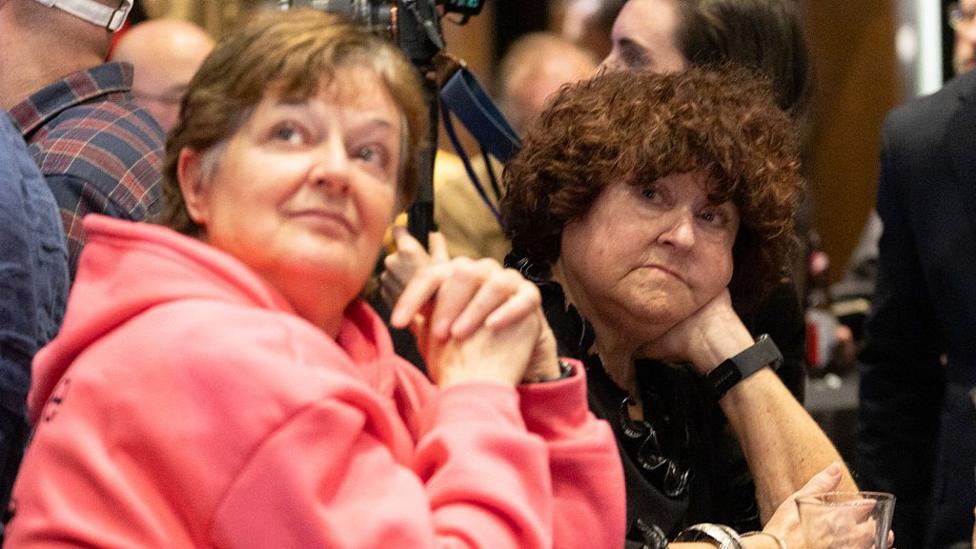 Image source, AFP via Getty Images
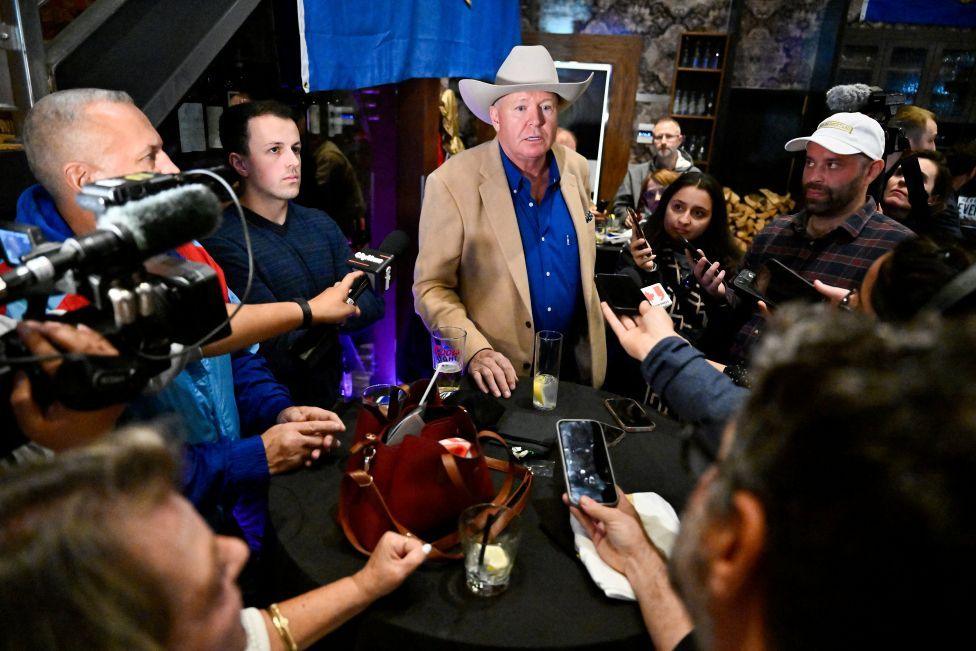 Image source, Reuters