The key facts
- 75.5% of Alberta voters rejected the plan to proceed to a binding independence referendum
- Prime Minister Mark Carney called for unity; separatists led by Jeffrey Rath vow to continue the fight
- Experts warn the secession question is not definitively closed
Referendum ends in a decisive victory for unity supporters
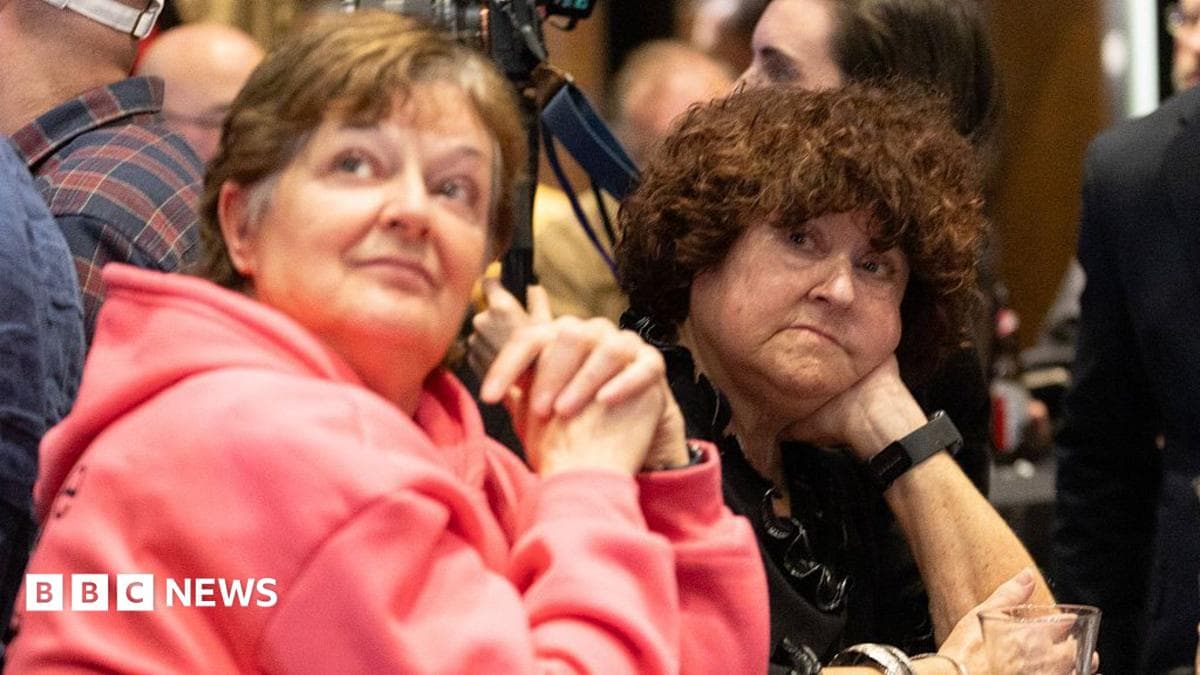
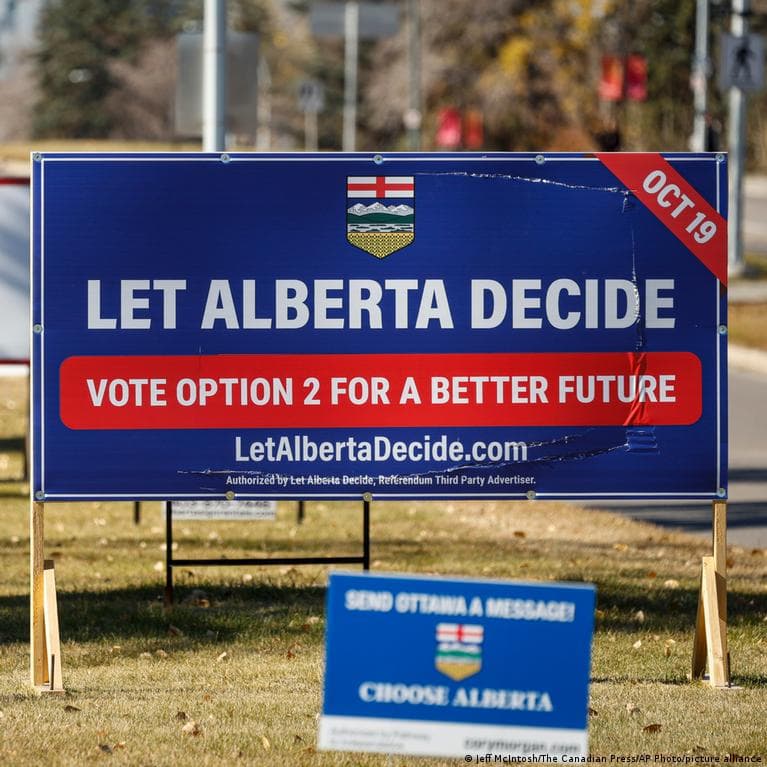
On Monday, October 19, 2026, residents of the western Canadian province of Alberta voted by an overwhelming majority to remain part of Canada: 75.5% of voters rejected the plan to move toward holding a binding independence referendum. Nevertheless, leaders of the separatist movement declared that the fight is not over, which, according to observers, carries the risk of long-term political instability in the oil-rich province that plays a key role in the country's economy.
Carney welcomed the result, separatists did not
Prime Minister Mark Carney, who grew up in Alberta, said on Tuesday, entering parliament, that he was 'thrilled that Albertans chose unity.' Asked what message he would like to send to the separatist side, he replied: 'The result is absolutely clear. It is a big majority for Canada, and now is the time to work together.'
Separatist leaders promise to continue the movement
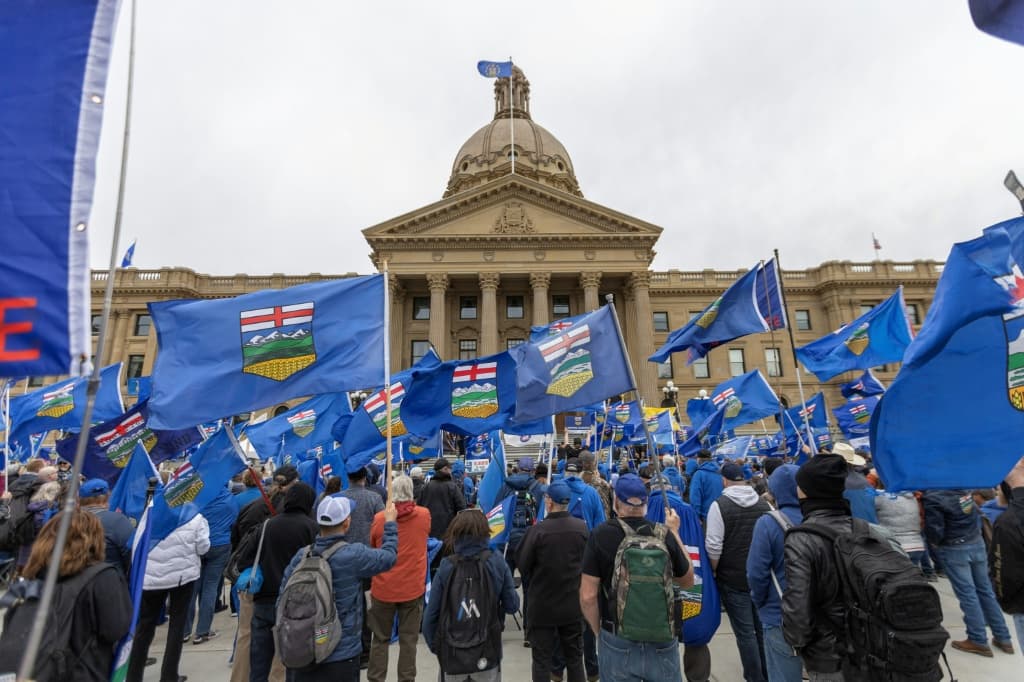
Separatist leaders conveyed a different mood. Jeffrey Rath, a senior figure in the Alberta Prosperity Project who earlier this year met with American officials to discuss support for the secession project, said the fight would 'absolutely' continue: 'We have built a mass movement in this province. We keep moving forward.' According to him, winning an independence referendum is impossible while the province is led by a supporter of Canadian unity. He promised to challenge Premier Danielle Smith, who backed Carney, to 'take back control' of Alberta's conservative movement, and declared: 'We will form a government, period.'
The movement is fragmented, assessments differ
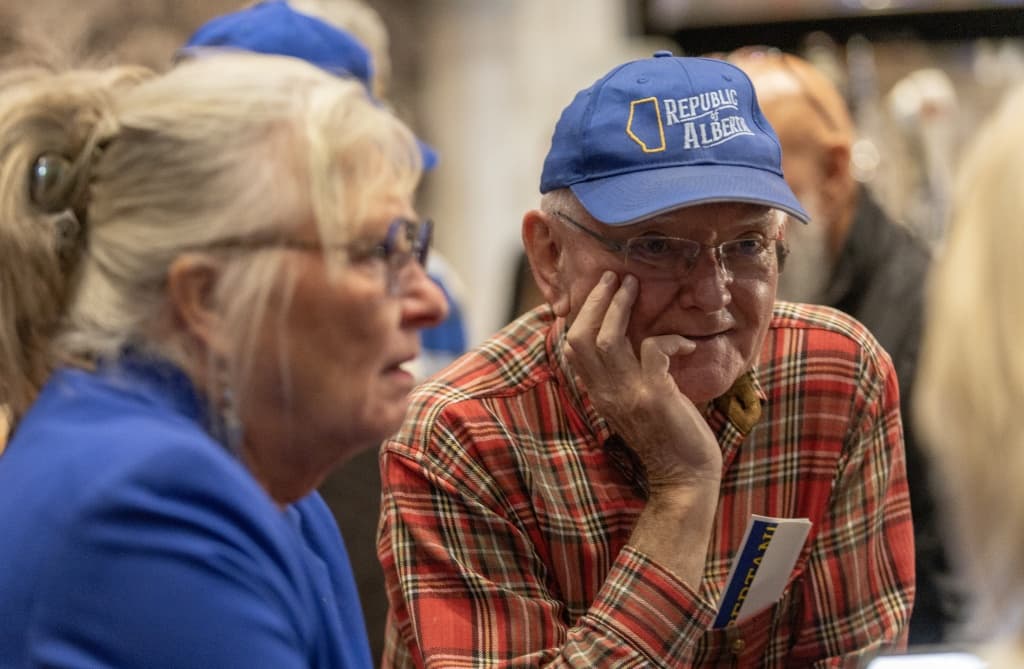
Alberta's separatist movement is split into factions. Chris Scott, who founded the organization Let's Talk Alberta to promote independence, also told AFP on Tuesday that he would continue to champion the idea. However, in his view, the separatists' plans to immediately take power in the province and hold a new referendum will fail: '75% of Albertans will reject this idea outright.' He added that 'you can drum up support for the idea with memes on Facebook, but at some point you need to focus on the real work of education.'
The stakes for Ottawa are high
For Carney, Alberta is critically important to his plans to strengthen Canada's economy and reduce dependence on the United States. He and Smith are working together to advance a new pipeline from Alberta to the Pacific coast to export bitumen to Asia.
Experts warn of persisting tensions
Political scientist Genevieve Tellier of the University of Ottawa told AFP that the result is not enough to 'completely close the discussion' on secession: 'We can no longer treat this movement lightly.' In her assessment, Carney handled the separatist pressure well, and large-scale federal financial support for the pipeline proved an effective way to curb the separatist momentum. However, she noted, once federal money for major projects in Alberta runs out, 'Mr. Carney will probably start having problems.' In Tuesday's Globe and Mail, Alberta expert Tyler Dawson wrote that 'deeply rooted grievances exist in the province, and a vote to stay does not make those problems disappear.' Among the causes of discontent is the perception that the province's oil industry is being suppressed by environmental regulations. 'Roughly a quarter of Albertans said they want to hold another referendum on leaving Canada. Mr. Carney should not ignore this,' Dawson wrote.