The key facts
- Air New Zealand operated the first international flight from Western Sydney International on the Auckland — Sydney route, with flights to run three times a week
- The airport, costing A$5.3 billion (US$3.7 billion), is Australia's first new major aviation hub in more than five decades
- Unlike Kingsford Smith, the new airport operates 24 hours without a night curfew; a direct rail link is not expected before December 2027
The first international flight
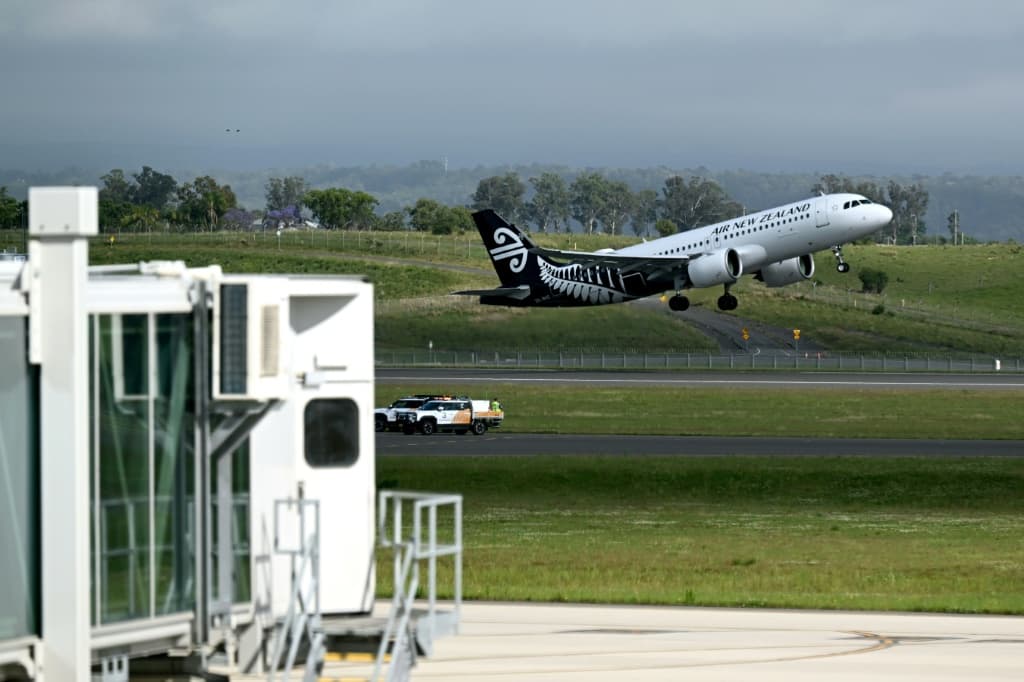
On Monday, the first international flight departed from the new multibillion-dollar Western Sydney International airport in Sydney's fast-growing western suburbs, AFP reports. An Air New Zealand aircraft, which had arrived from Auckland, took off again shortly after landing, launching flights three times a week. 'Not every day you get to be part of the opening of a brand-new international airport,' said Air New Zealand chief operating officer Kate Boyer, adding that Western Sydney is home to more than 2.5 million people.
An alternative to the century-old airport
After more than four decades of planning, the new airport became the first alternative to the city's main airport, which has been operating for over a century. The single-runway airport is Australia's first new major aviation hub in more than five decades — it began domestic flights on Sunday and cargo operations in July. The main domestic carrier was Jetstar, Qantas's budget subsidiary, operating flights to the Gold Coast, Melbourne and Brisbane. According to the airport, other international carriers are expected: Vietjet Air from January 2027, Fiji Airways from March 2027 and Qatar Airways from December 2027.
Round-the-clock operation and logistics
Sydney's main airport, Kingsford Smith, remains the busiest in Australia: its three runways served more than 42 million passengers last year. Located in Botany Bay just nine kilometres from the city centre, it sits above residential neighbourhoods, and a curfew bans night passenger flights there. The new airport has no such restrictions. 'Thanks to round-the-clock operation, Western Sydney International Airport gives airlines greater flexibility to connect with global hubs, and travellers more choice,' said airport chief Simon Hickey. The airport was built for A$5.3 billion (US$3.7 billion), not counting the surrounding transport infrastructure; it can currently be reached by road, with a direct rail link not expected before December 2027.
A political signal
Australian Prime Minister Anthony Albanese called the opening a 'wonderful new chapter' for the country and, speaking over the weekend, said the airport should bring economic activity and jobs to Western Sydney — an area long overshadowed by the harbour and the city's business district. 'For too long, Sydney has looked at the harbour and the CBD. This turns attention to where people live, where jobs are created and where investment goes — to Western Sydney,' AFP quoted him as saying.
Why it matters
The opening changes the transport geography of Australia's largest city: for the first time in decades, passengers have a second international terminal, one that operates without a night curfew, which, according to the airport's management, expands options for connections to global hubs. For the residents of Western Sydney — more than 2.5 million people — the airport becomes a focal point for jobs and investment, as Prime Minister Albanese pointedly noted. A practical limitation for the coming years: until the rail link appears, no earlier than December 2027, access there remains predominantly by road.