The key facts
- Voting extended nationwide by two hours — until 7:00 p.m. Brasília time (22:00 GMT)
- Petitions filed by both sides: Lula's campaign over bus stoppages in Salvador, Bolsonaro's Liberal Party over flooding in 17 municipalities
- A Bahia judge issued an arrest warrant for Salvador's mobility secretary Pablo Souza, who is in Paris
Emergency court ruling
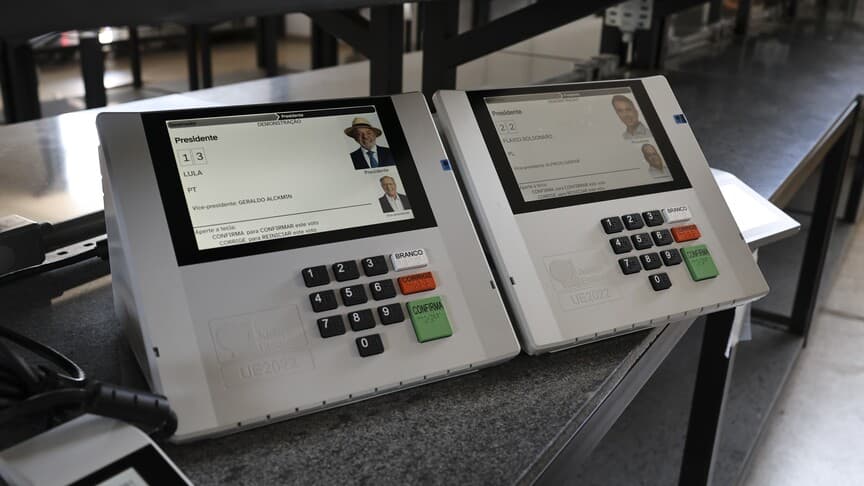
Federal Supreme Court Justice Cristiano Zanin issued an emergency ruling on Sunday, extending voting in the second round of the presidential election across Brazil by two hours — until 7:00 p.m. Brasília time (22:00 GMT). According to Anadolu, the ruling combined two separate urgent petitions filed by the campaign teams of both candidates.
Grounds for the extension
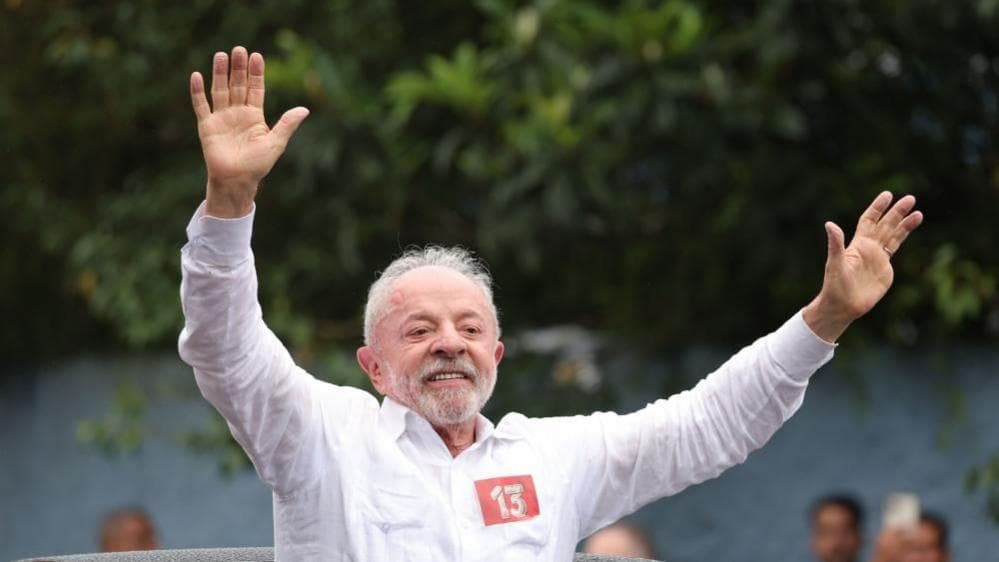
Incumbent President Luiz Inácio Lula da Silva, who voted on Sunday morning, petitioned the Superior Electoral Court and the Supreme Court to extend voting in key urban areas, including Salvador — the capital of Bahia state with nearly 2 million registered voters — and São Paulo, home to more than 9 million voters. The reason was serious transport disruptions in Salvador: according to municipal authorities, at least 75 public buses failed to leave the depots. The Salvador city hall stated that union workers had stuck stickers bearing the Workers' Party (PT) logo and candidate number 13 on public transport, which violates federal campaign advertising law. The Regional Electoral Court of Bahia issued an arrest warrant for Salvador's mobility secretary Pablo Souza, linking him to the reduction of the bus fleet; the Federal Police were unable to execute the warrant because Souza is in Paris on an official trade mission.
The other side's response
Shortly after Lula's team filed its petition, Senator Flávio Bolsonaro's Liberal Party (PL) submitted a parallel request to keep polling stations open until 7:00 p.m. in 17 municipalities in the states of São Paulo, Paraná and Santa Catarina, where heavy rains and flooding created serious obstacles for voters. Justice Zanin combined both requests, granting a single nationwide extension to ensure equal voting conditions.
Context and reaction
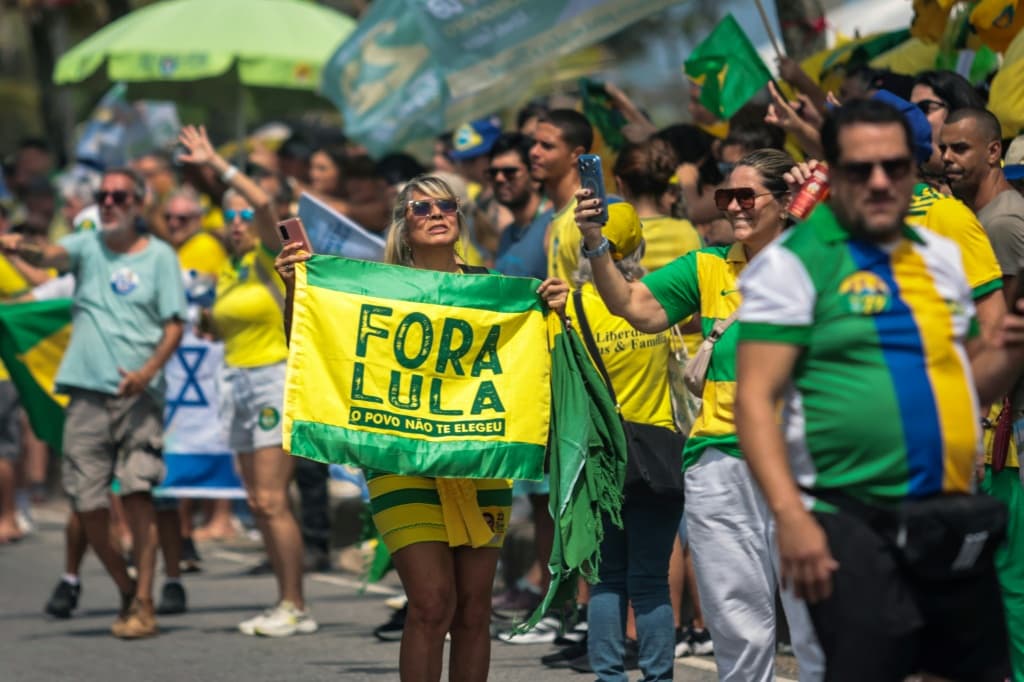
According to polls, the second round between Lula and conservative senator Flávio Bolsonaro is in a statistical dead heat. 'What we want is fair elections, so that everyone can exercise their right to vote,' Lula said in a public address, urging voters not to leave queues at polling stations: 'Wait and vote, because democracy must win.' The outcome of the vote is expected to reverberate across Latin America, where recent elections have reflected a broader conservative shift. US President Donald Trump told reporters in Washington on Sunday that he 'is closely watching' the events of election day in Brazil, but refrained from openly endorsing either candidate.
Significance of the ruling
The ruling matters for at least three practical reasons: it directly affects voters' access to the ballot boxes on a day when, according to polls, the outcome is not predetermined; it affects millions of voters — more than 9 million in São Paulo alone and nearly 2 million in Salvador; and it triggers legal consequences, including an arrest warrant for a senior Salvador official. It remains unknown whether the warrant will be executed after Souza returns from Paris, and how the extension will affect turnout in the affected regions.