The key facts
- Brazil's Supreme Court extended voting until 19:00 local time just minutes before the scheduled 17:00 closure
- Lula cited the removal of 40% of buses in São Paulo and northeastern cities, while Bolsonaro pointed to heavy rains in the south and southeast
- Final polls indicated a dead heat between the candidates in the runoff
Extension of voting and chaos at polling stations
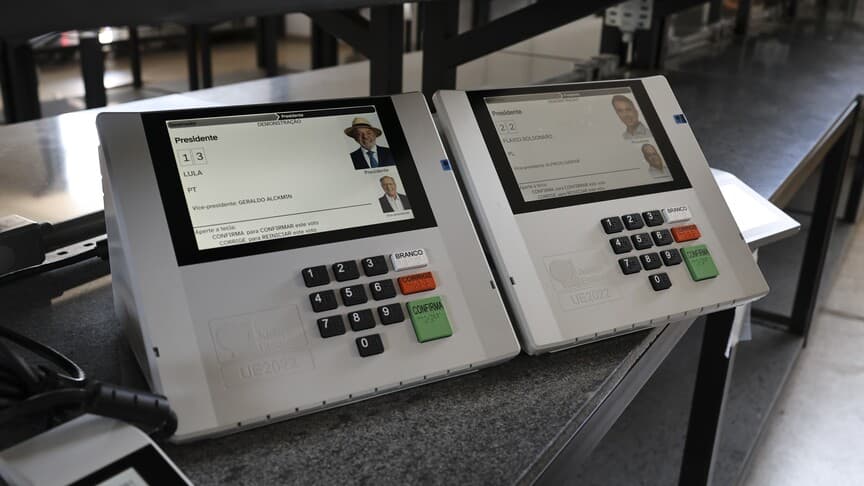
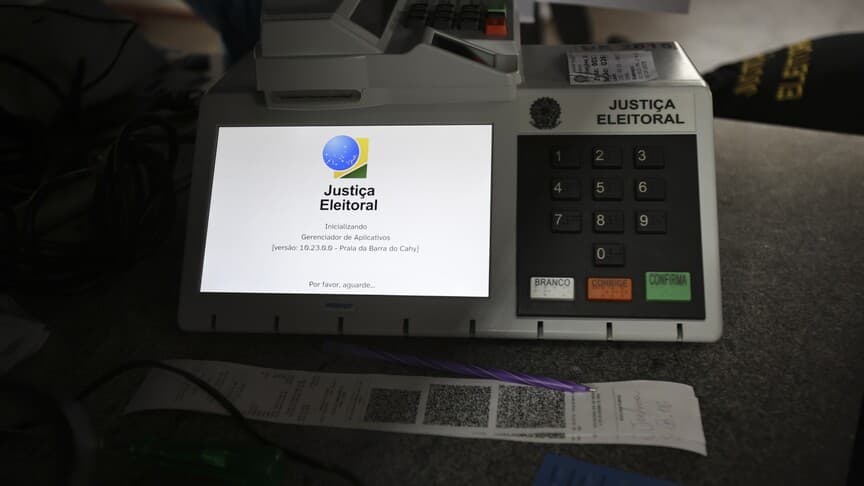
On Sunday, October 25, Brazil's Supreme Court ordered the extension of voting nationwide until 19:00, citing the 'seriousness of the presented facts,' just minutes before the scheduled 17:00 closure of polling stations. The decision caused confusion: on some stations, voting had already concluded and vote counting from electronic machines had begun, only to be restarted afterward. Judge Cristiano Zanin clarified that the ruling applied only to 'places where polling stations had not yet closed.' (AFP).
Reasons for the extension: transport and weather
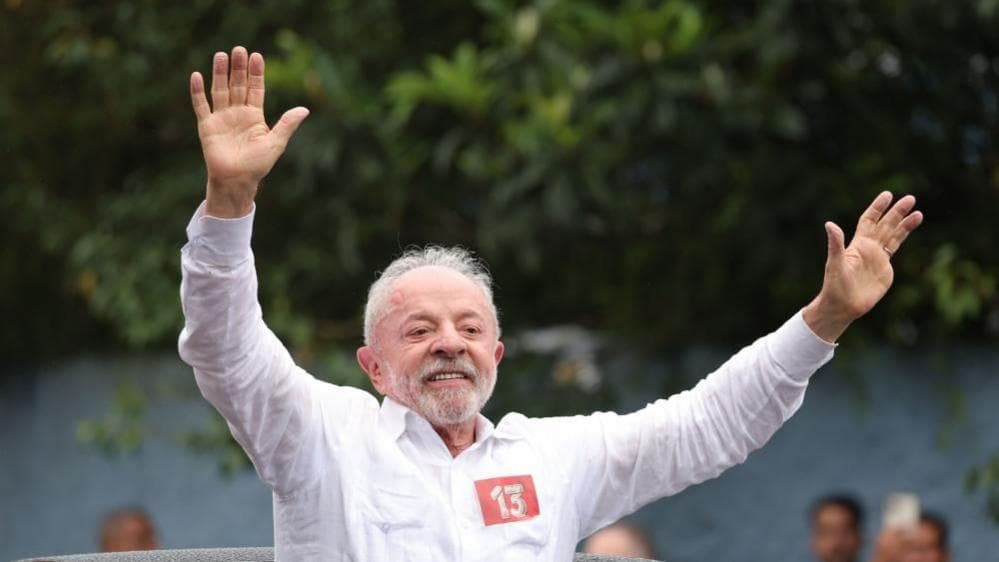
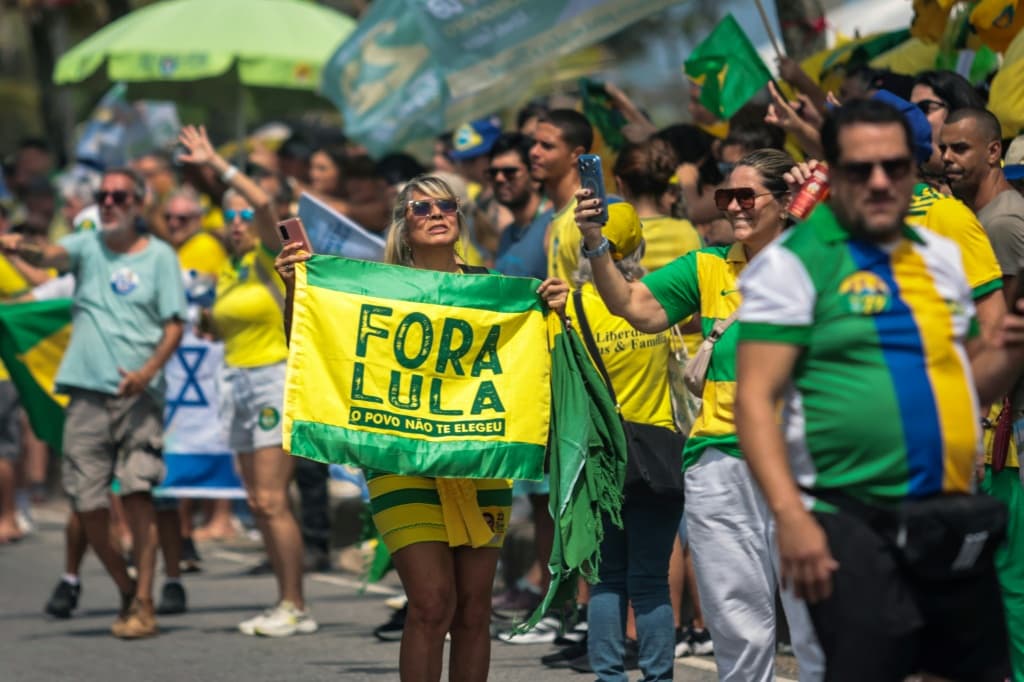
The initiative to extend voting came from incumbent left-wing President Lula da Silva, 80, who stated that buses had been removed from routes in São Paulo and key cities in the northeast—a region where he led decisively in the first round—and described the situation as 'something despicable.' According to him, 40% of buses in São Paulo were not operating. The regional electoral court ordered the arrest of Salvador's transport secretary for failing to ensure free public transport on election day. Right-wing senator Flávio Bolsonaro, 45, also requested an extension of voting due to heavy rains in the south and southeast of the country, where a significant portion of his electorate is concentrated (AFP).
Extremely tight runoff
Bolsonaro, the 27-year-old son of former President Jair Bolsonaro, who is serving a 27-year sentence for conspiracy to stage a coup, won the first round surprisingly three weeks ago. Final polls showed the candidates were neck and neck. The outcome of the runoff will determine whether Brazil remains one of the few left-leaning countries in Latin America or joins the regional shift to the right supported by US President Donald Trump; when asked about the elections, he replied only, 'We are watching, yes.' Lula, seeking a fourth non-consecutive term, positions himself as a barrier against US interference and democratic backsliding (AFP).
Campaign context
The campaign was sharp and divisive. Bolsonaro promises to fight crime, reduce public spending, and 'hand Brazil over to Lord Jesus Christ,' presenting himself as more moderate than his father. After failing in the first round, the left-wing camp held massive rallies, recalling Jair Bolsonaro's pandemic management, Amazon deforestation, and cuts to social programs; under Lula, deforestation reached a four-decade low, and inflation and unemployment decreased, yet voters complain about the cost of living and feelings of insecurity. Lula's campaign accused Meta of 'algorithmic manipulation' in favor of his opponent; the company denied this but acknowledged that some of Lula's campaign advertisements were mistakenly disabled due to technical glitches (AFP).
What comes next
Vote counting from electronic machines resumed following the court's decision; according to AFP, results are usually known within a few hours after polling stations close. At the time of publication, the results of the runoff had not been announced, and the election outcome remained uncertain. Editorially, it is important to emphasize: the extension of voting based on complaints from both sides is a rare situation that could become the subject of legal disputes after the results are declared; however, sources have not yet reported any filed lawsuits or candidate reactions to the court's decision itself.