The key facts
- About a quarter of children understand some form of deception by ten months — University of Bristol study
- Around a quarter of children understand some form of deception by ten months — University of Bristol research
- By the age of three, children become noticeably more skilled at lying and begin to withhold information
- The psychologist advises creating a safe environment so the child can admit a mistake
- The psychologist advises creating a safe environment so a child can admit a mistake
Lying as a developmental stage
Drawings on the wall and missing biscuits are grounds to blame the dog or a 'ghost', even if the child is holding the crayons and covered in crumbs. This is exactly the situation with which the BBC News piece on children's deception begins: according to clinical psychologist Dr Jade Redfern, speaking on the podcast CBeebies Parenting Download, lying is 'a skill they develop and play with in order to get better at it'.
Deception begins before the age of one
Young children are not yet 'sophisticated' enough to lie, but they are capable of deception before their first birthday, says Redfern. One of the studies mentioned in the podcast was conducted by the University of Bristol: according to its findings, about a quarter of children understand some form of deception by ten months. Professor Elena Hoicka, who led the work, noted how 'remarkably early' children show cunning — including her own: 'As a mother of three, I can confirm how skilled and crafty they are. Hiding under the table or in the bathroom to eat sweets or chocolate is their favourite trick'.
From simple deception to 'theory of mind'
According to Hoicka, two-year-olds' deception is fairly primitive: the child pretends not to hear the parent or denies what they have done; this also includes forbidden activities done in secret — for example, peeking into a bag they were not allowed to look into, or excuses like 'I need the toilet' when asked to tidy up. By the age of three, children are far better at deception and begin to withhold information: for instance, they truthfully report that a sibling hit them, but leave out that they hit first. Redfern links this to the development of 'theory of mind' — the understanding that other people have their own thoughts and intentions; empathy, she says, is built on this too. Another reason for lying is self-preservation: the child is afraid of upsetting or disappointing a parent they depend on.
How to encourage honesty
Since children are 'driven by attachment' — their bond with a caregiver — Redfern advises creating an environment in which it is safe for the child to admit a mistake. Rachel Duffy, winner of the most recent season of The Traitors, a mother of three, told the podcast how this works in practice: her eldest son took his brother's bike, wrecked it by crashing into a car, and at first tried to lie. 'I told him: “You won't be in big trouble if you tell the truth.” I simply walked away and gave him a bit of space. And he said: “Yes, it was me.” He realised that this space was safe. We talked — no shouting.' Redfern calls this a good example and adds that sometimes lying or leaving things out is appropriate — for example, when a child receives an unwanted gift or describes other people's appearance. Her own children recently 'delightedly' informed her that she is 'very wrinkly'; instead of taking offence, she suggests an open, curious conversation — in her view, this is precisely how children gradually develop empathy.
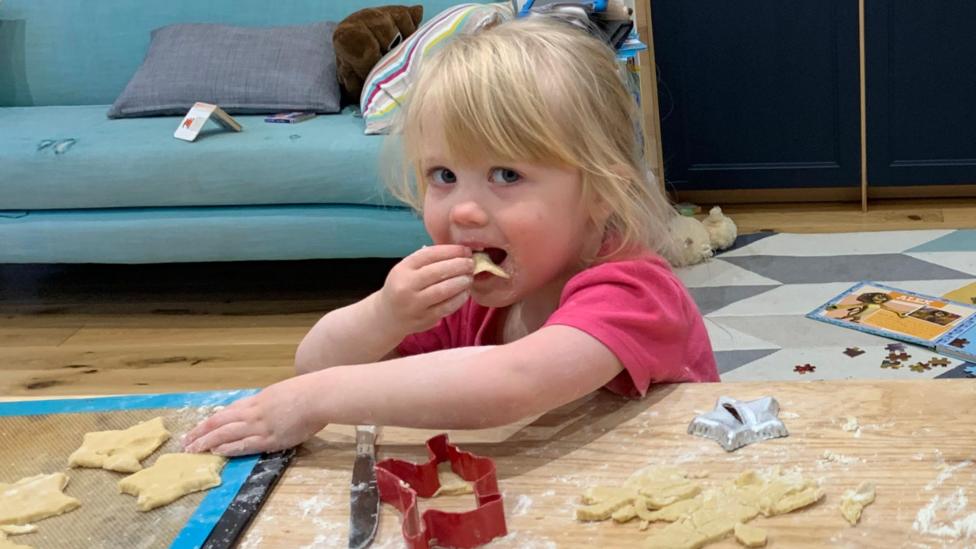 Image source, Elena Hoicka
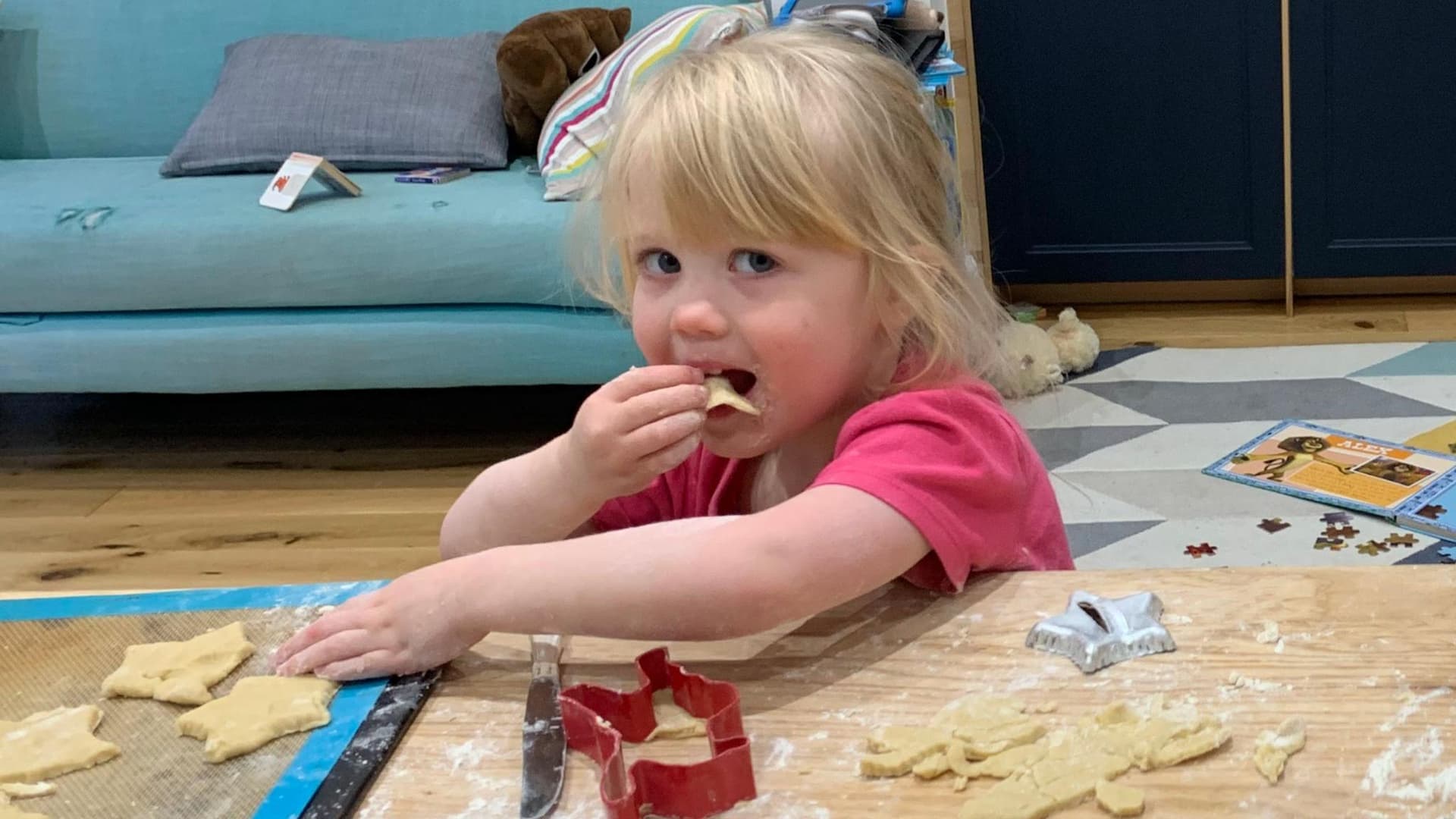
Prof Hoicka's daughter Ada tries to sneakily eat cookie dough aged two when she thought her mum wasn't looking
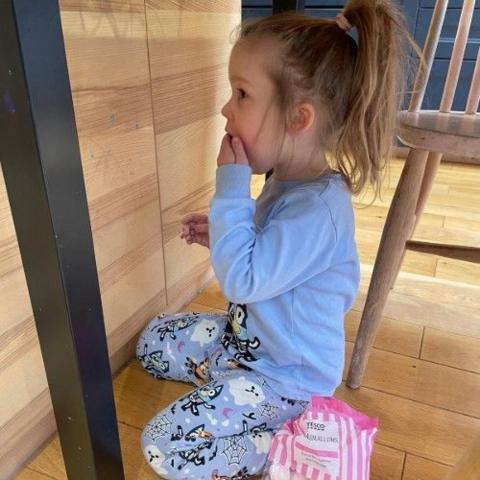 Image source, Elena Hoicka
Prof Hoicka's daughter Juno also deceives her aged three by hiding under a table to eat marshmallows
 Image source, Elena Hoicka
Ada, age two, deceives her mum by hiding in the bathroom to eat chocolate she had stolen
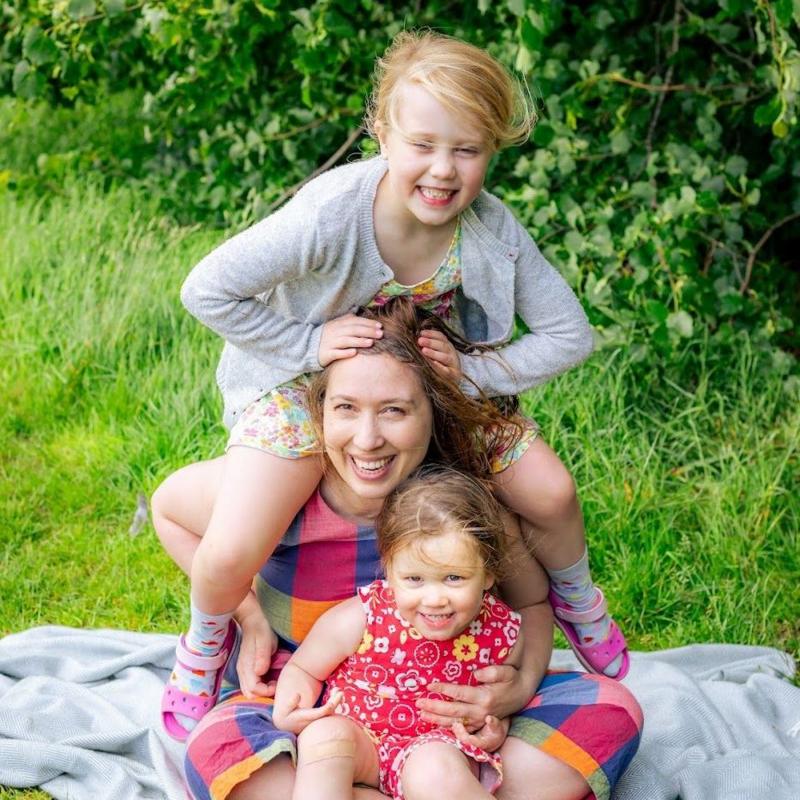 Image source, Elena Hoicka
Prof Hoicka with her daughters Ada, now aged six, and Juno who is three years old