The key facts
- ASA banned three posters and two paid Facebook ads from Voy for exaggerating the link between common symptoms and low testosterone
- Voy stated it removed the ads during the investigation and will not repeat them
- In August, similar complaints were raised against BioID Health and Numan Digital Healthcare
Regulator found the advertisements misleading
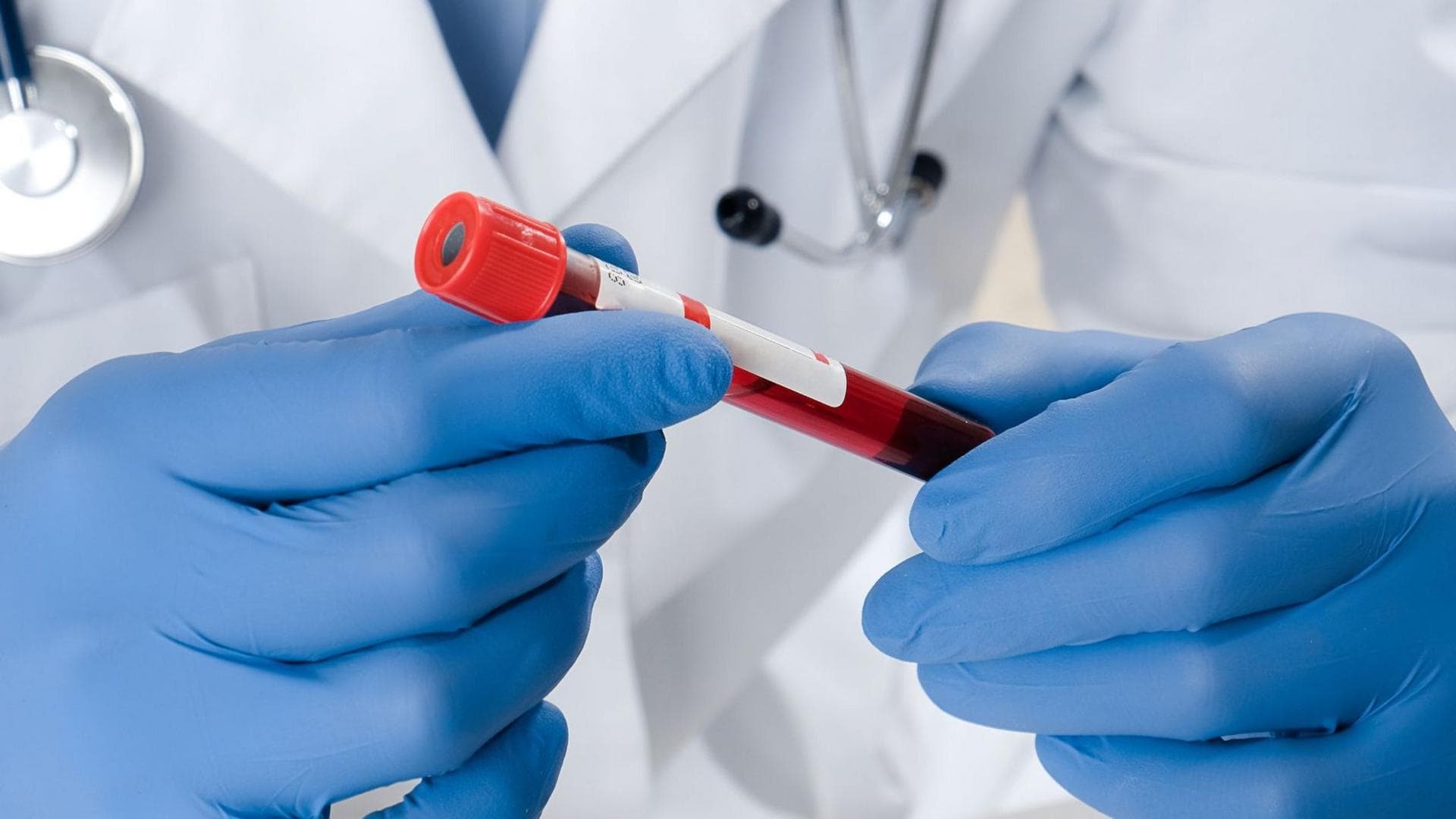
The UK Advertising Standards Authority (ASA) banned five advertisements from the online healthcare provider Voy, which promoted at-home testosterone blood tests: three posters and two paid Facebook ads. According to the regulator's findings, the ads were misleading by linking common symptoms—irritability, fatigue, reduced libido, lack of energy, loss of motivation, and mood swings—to low testosterone, despite these symptoms potentially having numerous causes. A separate Facebook ad claimed that 'low testosterone silently affects one in four men over 30'; the ASA deemed this statement unsupported by evidence provided by Voy. This decision was reported by BBC News.
Controversial campaign and the company's stance
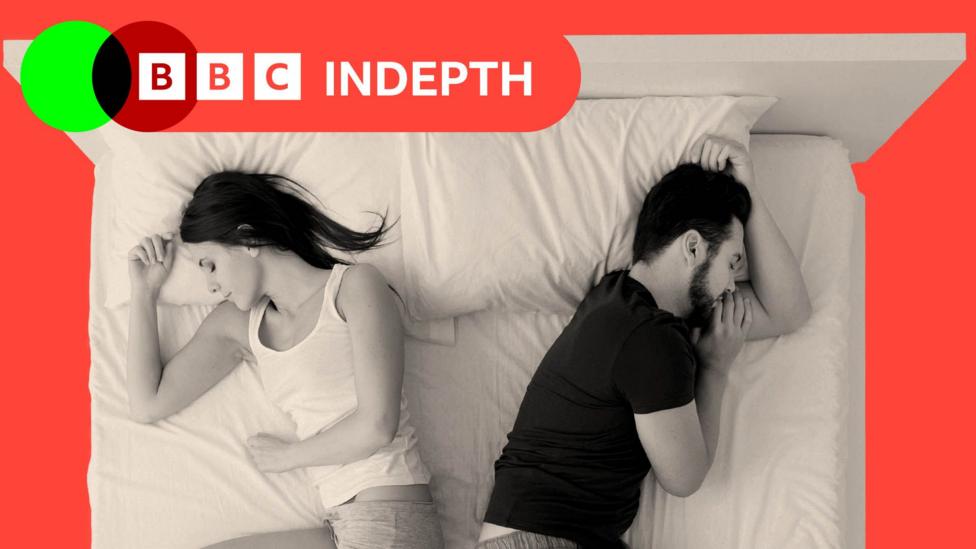
Some of Voy's advertising materials had previously sparked online criticism when they appeared in the London Underground: phrases such as 'It's not him, it's his hormones' and 'Men get hormonal too' were labelled by some users as 'ragebait'. At the time, the company explained that it aimed to reduce stigma around discussions of men's health. According to Voy's Chief Medical Director, Dr. Erim Choudhry, 'every patient decision at Voy is made under clinical supervision', and the campaigns were developed in line with UK advertising standards; the company stated it removed the ads during the investigation and will not repeat them.
What medical experts say and what this changes
The ASA emphasized: advertising for tests and services related to low testosterone is permitted, but claims must be accurate and supported by evidence; some symptoms are 'far less specific' and should not be presented as a reliable indicator of low testosterone on their own. According to BBC, the NHS states that a natural decline in testosterone levels with age alone is 'unlikely' to cause problems, and symptoms such as depression, reduced libido, or erectile dysfunction in later life are often not linked to hormone deficiency. Dr. Richard Quinton, a specialist in testosterone deficiency, noted that low levels are 'very easily' achieved in any healthy man—simply by giving blood during the day, after eating, while ill, or after a sleepless night. The ruling against Voy marks the third such decision in recent months: in August, the regulator already found advertising claims from testing services BioID Health and Numan Digital Healthcare to be misleading. All these decisions are part of a broader ASA review of advertising targeting men concerned about their health, in which the regulator identifies a 'recurring theme of exploiting insecurity' around libido, erectile issues, testosterone, and aging.
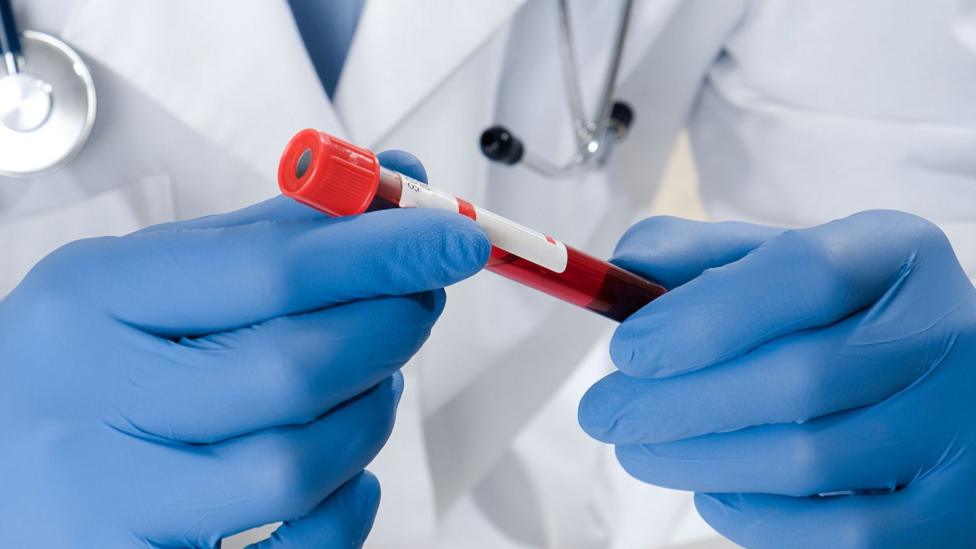 Image source, Getty Images
Adverts for tests and services relating to low testosterone are allowed but must be rooted in evidence, the regulator said
Some of the adverts sparked discussion online after appearing at Tube stations