The key facts
- On November 17, the regional commission stripped the US, Mexico and Bolivia of their measles-elimination status
- The region has recorded 58,213 confirmed cases and 82 deaths since the beginning of the year, versus 12,806 cases a year earlier
- In the US in 2026 there have been more than 5,400 cases — the highest since 2000; vaccination coverage among children in kindergartens fell from 95.2% to 92.4%
Status Lost by Commission Decision
The Pan American Health Organization (PAHO) stripped the United States, Mexico and Bolivia of their measles-elimination status. The decision was made on November 17 following a meeting of the regional commission, which oversees and re-verifies the elimination of measles, rubella and congenital rubella syndrome. The organization's statement says the commission analyzed the current epidemiological situation in the region and determined that endemic measles transmission has become reestablished in the three countries.
Criterion for the Disease's Return
Under the commission's criteria, endemic transmission is considered reestablished if the same genotype and lineage of the measles virus circulate continuously within a country for 12 months or longer. PAHO Director Jarbas Barbosa emphasized that losing the status means something more than the loss of a formal indicator: the virus circulated for a prolonged period and exposed families and communities to the risk of illness, hospitalization and death.
The Region Loses Ground One Country After Another
North and South America were once the world's first region to eliminate measles: in 2024 this status was confirmed after endemic transmission of the virus was successfully halted in Venezuela and Brazil. However, in November 2025 Canada lost the status it had held for almost three decades — since 1998. Now, according to PAHO's assessment, the loss of status by Bolivia, Mexico and the US indicates a further deterioration of the regional situation.
Rising Incidence and the Situation in the US
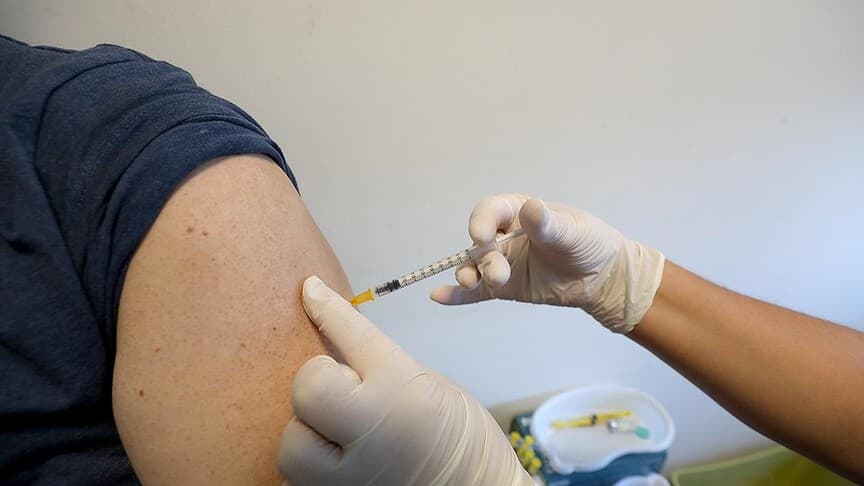
From the beginning of the year through November 13, 58,213 confirmed measles cases and 82 deaths were registered in the region; over the same period last year there were 12,806 cases. According to CDC data cited by The Wall Street Journal, more than 5,400 confirmed cases were recorded in the US in 2026 — the highest since 2000, when the country declared measles eliminated; in 2025 there were 2,289. The rise coincided with the period of Robert Kennedy Jr.'s tenure as Health Secretary, during which he advocated reducing the number of vaccines in the childhood schedule: in August 2026, President Donald Trump signed an executive order recommending reducing childhood vaccination and splitting the combined MMR vaccine into separate components. Two doses of MMR provide 97% protection against the disease.
Gaps in Herd Immunity
The Wall Street Journal, citing CDC data, notes that vaccination coverage in the US has declined: in the 2025–2026 school year, 92.4% of children in kindergartens received the MMR vaccine, versus 95.2% six years earlier. To prevent the spread of the infection, at least 95% of the population must be vaccinated — this also protects infants and those for whom vaccination is contraindicated. PAHO points out that measles' return to the region indicates persistent gaps in herd immunity, which are often concentrated in particular population groups or geographic areas: national coverage figures can mask these disparities, while barriers to access to medical care, missed routine vaccinations, disinformation and vaccine hesitancy leave children, adolescents and adults vulnerable. Measles is one of the most contagious diseases in the world: one infected person can transmit the virus to 18 people; it can cause pneumonia, encephalitis, blindness and death, and according to the organization, a past infection can weaken the immune system for several months. The PAHO Director stated that the current situation requires urgent measures: continued circulation of the virus anywhere in the world raises the risk of infection for people who cannot be vaccinated for medical reasons and for those with weakened immune systems.