The key facts
- Sanofi is enrolling adults aged 18–45 in two trials of an mRNA vaccine against acne
- Study NCT06316297 is designed for 800 participants with moderate-to-severe acne, NCT07013747 for 228 with mild acne
- Both trials combine phases 1 and 2; the vaccine remains experimental
Enrollment begins in two studies
The French pharmaceutical company Sanofi is enrolling adults aged 18 to 45 for two clinical trials of an experimental mRNA vaccine being explored as a potential treatment for acne. Both studies, registered on the company's clinical trials website, have the status 'recruiting': one focuses on mild facial acne, the other on moderate-to-severe cases. Anadolu reported this.
Study design
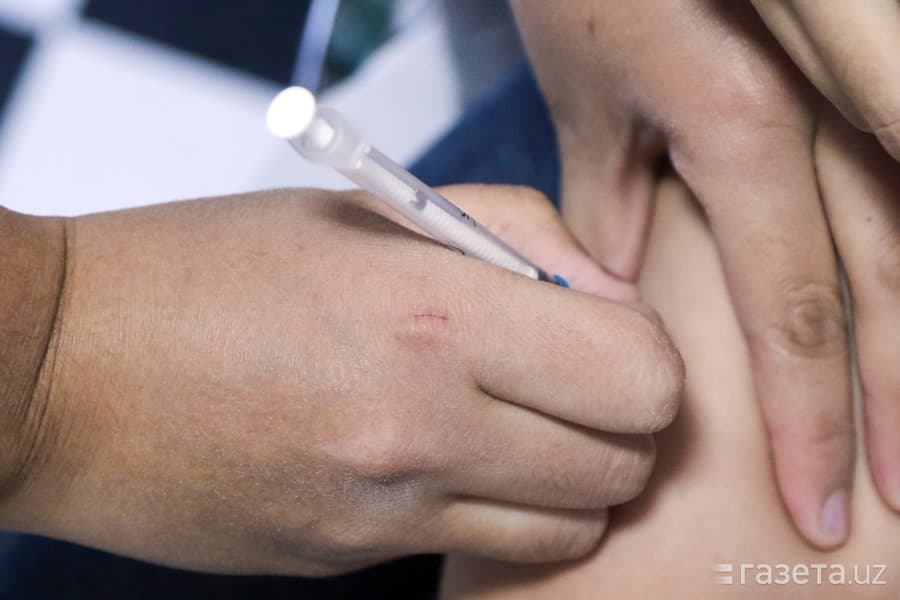
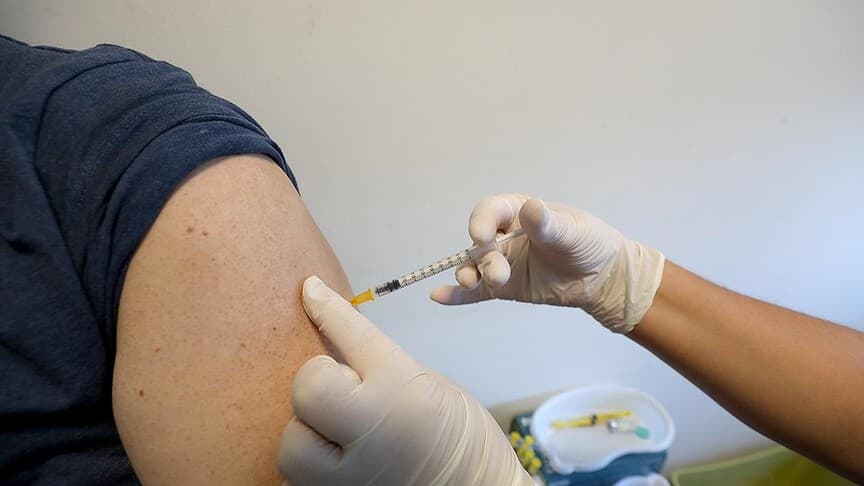
The trials combine phases 1 and 2 and are intended to assess the candidate's safety, the immune response it induces, and whether it improves skin condition in acne. The largest study, registered as NCT06316297, is designed for 800 participants with moderate-to-severe acne. It will test up to four dose levels: participants will receive two or three intramuscular injections depending on their group. According to Sanofi, the results will help select the dose and vaccination schedule for possible later efficacy trials.
Second study and follow-up
The second study, NCT07013747, is designed for 228 participants with mild acne. It evaluates two injections at a single dose level, with an initial group undergoing a staged safety review before the main group is enrolled. The protocols of both studies provide for optional long-term follow-up: some participants will be monitored for an additional 30 months after the last visit of the main phase to assess longer-term effects.
What is important to understand
The vaccine remains experimental: the goal of the studies is to determine whether it can become a safe and effective treatment for people who already have acne, rather than a preventive measure. Acne is a chronic inflammatory skin disease, especially common among teenagers and young adults; existing treatment aims to control breakouts, reduce flare-ups, and prevent scarring. Sources have not yet reported when the trials will be completed or when the drug might be registered.