The key facts
- The International Court of Justice will issue its final ruling on 19 November in The Gambia v. Myanmar case concerning violations of the 1948 Genocide Convention
- The case concerns the 2017 campaign, after which more than 700,000 Rohingya fled to Bangladesh; Myanmar calls its actions a counter-terrorism operation
- The ruling will be the third genocide merits verdict in the court's history and may influence the Ukraine–Russia and South Africa–Israel cases
The court will rule almost seven years after the case began
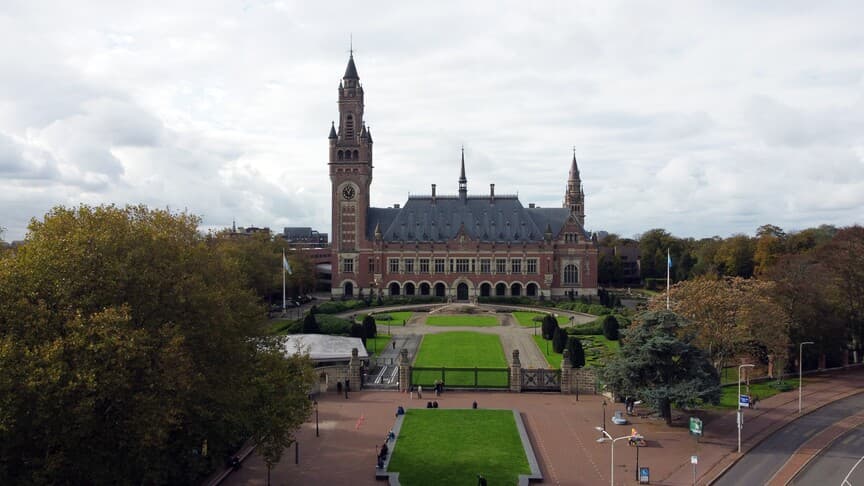
The International Court of Justice (ICJ) will announce its ruling on the Rohingya genocide case in Myanmar on 19 November — a final verdict that cannot be appealed. The reading is scheduled for 10:00 local time at the Peace Palace in The Hague; the decision will be read out by court president Yuji Iwasawa. The court must determine whether Myanmar violated its obligations under the 1948 Convention on the Prevention and Punishment of the Crime of Genocide.
How the case developed
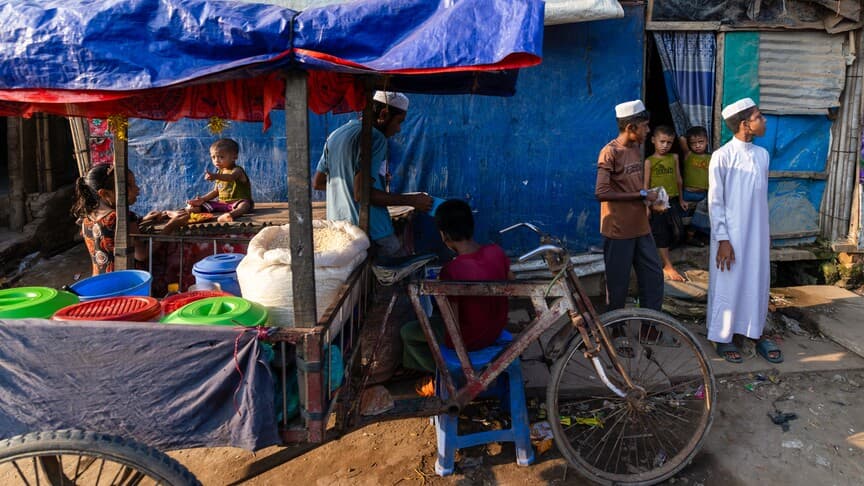
The Gambia filed the lawsuit in November 2019 with the support of the Organisation of Islamic Cooperation: both countries are parties to the Genocide Convention, and The Gambia argued that all parties to the treaty are obliged to prevent genocide regardless of where the crimes are committed. The trigger was the military operation in Rakhine State launched on 25 August 2017 after attacks by fighters of the Arakan Rohingya Salvation Army on security posts. According to the UN fact-finding mission, the campaign was accompanied by mass killings, sexual violence and the burning of villages; the mission concluded in 2018 that there were sufficient grounds to investigate Myanmar's top military officials on suspicion of genocide. More than 700,000 Rohingya fled to Bangladesh, where most of them still live in the world's largest refugee camp; according to the UN mission's estimate, about 10,000 people died in the pogroms. Myanmar rejects the accusations, calling its actions a lawful counter-terrorism operation.
The parties' positions and the court's interim rulings
In December 2019, Myanmar's then civilian leader Aung San Suu Kyi personally defended the country in The Hague, acknowledging that disproportionate force may have been used but denying any intent to commit genocide. After the February 2021 military coup, the military authorities continued the defence in the case. In January 2020, the court already ordered Myanmar to take all possible measures to prevent genocide, preserve evidence and report regularly — these provisional measures are binding but did not resolve the question of genocide itself. In 2022, the court rejected Myanmar's objections to its jurisdiction, and eleven countries joined the proceedings, including Canada, France, Germany and the United Kingdom. Merits hearings took place from 12 to 29 January 2026: The Gambia demanded recognition of a violation of the Convention, an end to the violations, reparations and guarantees of non-repetition; Myanmar contested the accusations. The Gambia argues that the sexual violence and killings of children prove that genocide was part of the objective, and that the operation can be both a counter-insurgency campaign and a genocide at the same time.
What the judges are deciding and what it means
The key question is whether Myanmar acted with the special intent to destroy the Rohingya as an ethnic or religious group, in whole or in part: the mere fact of mass atrocities is not enough to qualify as genocide. Experts interviewed by Deutsche Welle note that the verdict may turn out to be 'quite complex': the court may issue different rulings on different articles of the Convention, including the obligations to prevent and punish genocide. The decision will be only the third genocide merits verdict in the ICJ's history and, according to international law professor Melanie O'Brien and former court lawyer Michael Becker, will influence other proceedings — including the cases of the DR Congo v. Rwanda, Ukraine v. Russia and South Africa v. Israel. A finding of genocide could also strengthen the request for an arrest warrant for Myanmar junta leader Min Aung Hlaing, which the International Criminal Court is considering. However, the enforcement of any reparations depends on the UN Security Council, where China and Russia — allies of the regime — hold veto power. For Rohingya refugees, the ruling alone does not guarantee return, compensation or criminal accountability, but it will become the final legal assessment of state responsibility. As Maria Elena Vignoli, senior counsel on international justice at Human Rights Watch, stated, the verdict will be 'a pivotal moment in the Rohingya's pursuit of justice.'