The key facts
- Bangladesh expressed 'deep concern' over the situation in Rakhine State at a meeting between Foreign Minister of State Shama Obaed Islam and UN Special Rapporteur Kelly Ann Ekels-Karri in Dhaka
- The ICJ is preparing to deliver its ruling on the Rohingya genocide case filed by The Gambia in November 2019
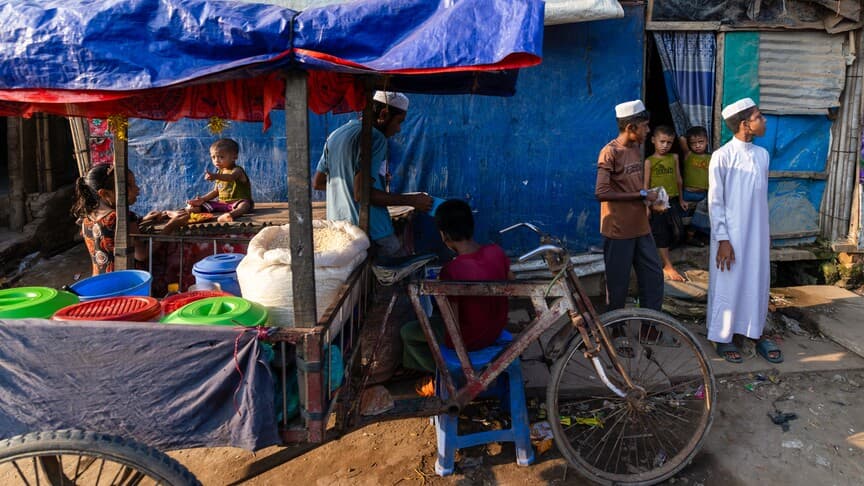
- Bangladesh hosts about 1.3 million Rohingya in camps on the south-eastern coast
Dhaka's concern ahead of the court ruling
Bangladesh has expressed deep concern over the deteriorating situation in Myanmar's Rakhine State, where the Rohingya, according to the statement of Dhaka's foreign ministry, continue to face violence and renewed displacement. This was stated by Bangladesh's Minister of State for Foreign Affairs Shama Obaed Islam at a meeting with the UN Special Rapporteur on human rights in Myanmar, Kelly Ann Ekels-Karri, who arrived in Dhaka after visiting Rohingya refugee camps in Cox's Bazar in the south-east of the country.
Background of the case at the International Court of Justice
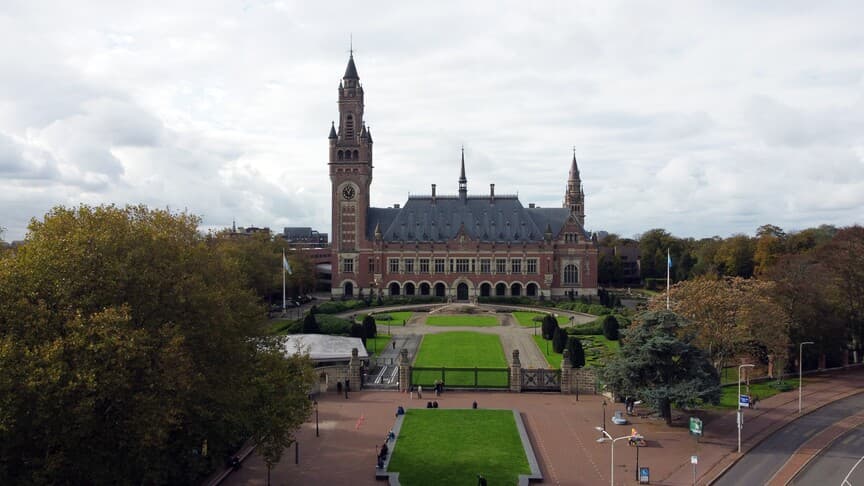
The statement came ahead of the delivery of the ruling by the International Court of Justice in The Hague on the case of genocide of the Rohingya against Myanmar. The lawsuit was filed by The Gambia in November 2019. Bangladesh declared its 'keen attention' to the forthcoming ruling and stressed that accountability for serious human rights violations and international crimes is necessary to ensure justice and address the root causes of the crisis.
Bangladesh's position and the Special Rapporteur's assessment
The Minister of State once again named the early and sustainable return of the Rohingya from Bangladesh to their places of original residence in Myanmar the only viable and lasting solution to the crisis and called for the development of a 'coordinated and practical roadmap' with the participation of all stakeholders. She also stressed the importance of protecting the Rohingya population remaining in Rakhine, unimpeded humanitarian access and compliance with international law. The Special Rapporteur, for her part, informed the minister about her meetings with the Rohingya and stakeholders and noted the growing shortage of humanitarian aid and the prolonged uncertainty surrounding a long-term solution to the crisis. Bangladesh hosts about 1.3 million Rohingya in camps along the south-eastern coast; most of them fled after the military operation in Myanmar in August 2017.