The key facts
- Mediators report a deadlock: Iran shows no flexibility, the US does not respond to the proposals being conveyed
- Mediators report a deadlock: Iran shows no flexibility, and the US has not responded to transmitted proposals.
- Iran expanded its attacks this week, striking Bahrain and Kuwait
- The IAEA confirmed that inspections in Iran are taking place only in Bushehr
- IAEA confirmed that inspections in Iran are currently taking place only in Bushehr.
The 'neither war nor peace' deadlock
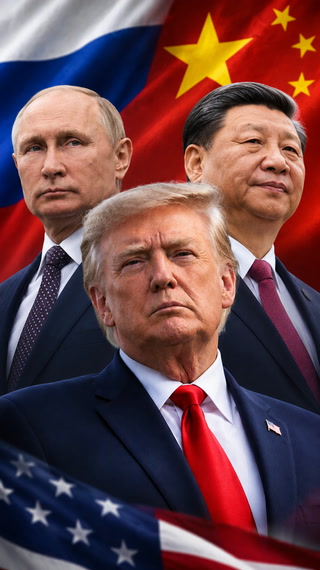
Around the Iranian conflict, a state of 'neither war nor peace' persists: a series of diplomatic contacts involving mediators this week has so far failed to either defuse the situation or move it in any direction, sources close to the mediators and Tehran told The National. The key to breaking the week-long diplomatic stalemate may be the trilateral meeting of the leaders of the US, China and Russia in Shenzhen, scheduled for Thursday: the war, which began with American-Israeli strikes in February, is expected to be among the main topics of talks between Donald Trump, Vladimir Putin and Xi Jinping. Moscow and Beijing, Tehran's allies, have called for an end to the conflict since it began, while denying providing military support to Iran.
The parties' positions and the role of mediators
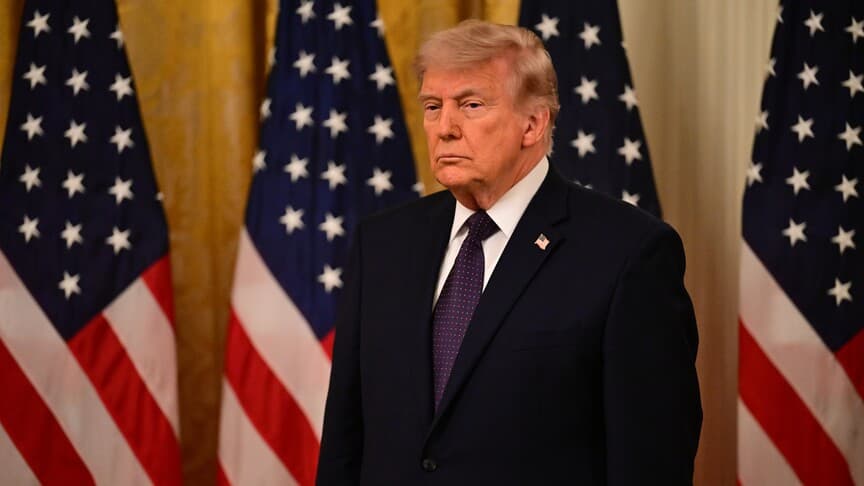
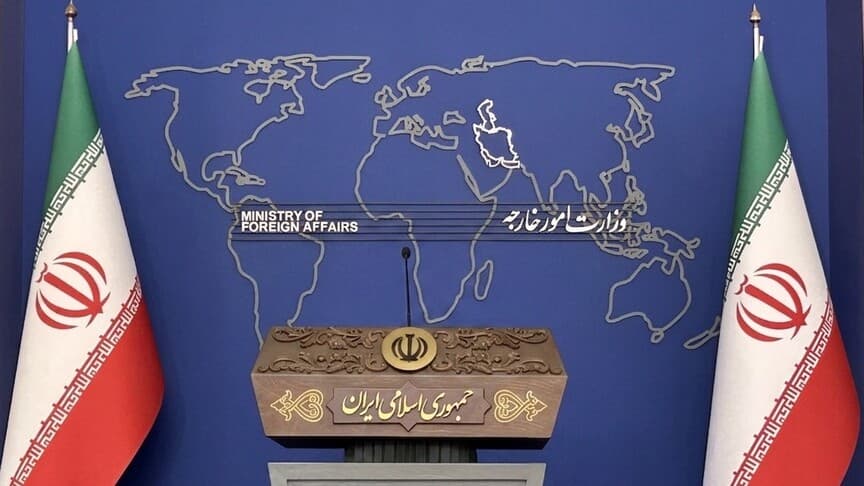
A source close to Tehran described the talks as a deadlock: 'No progress in the talks can be spoken of yet. There may have been very limited progress, but nothing decisive.' According to him, any movement after the summit may require concessions from the US president, since the Iranian side has already made its decisions and will not yield on its red lines and strategic conditions. The mediators — primarily Pakistan, Oman and Qatar — relay messages between the Iranians and the Americans, but without result. A source close to the mediators noted that the Iranians 'show no flexibility at all, while the Americans simply listen but have not yet responded' to the proposals being conveyed. Tehran insists that the US must lift the blockade before Iran stops its attacks in the Strait of Hormuz. At the same time, a source familiar with Iranian thinking allows for 'some flexibility at the tactical level,' including readiness for the 'simultaneous implementation' of certain steps.
Escalation in the region and diplomatic trips
Against this backdrop, Iran this week expanded its attacks on neighboring countries, striking Bahrain and Kuwait with drones and missiles, which returned the conflict to a regional scale and, as the outlet observed, appears to be an attempt to pressure the Gulf states and the US. Several regional officials warned that the 'neither war nor peace' state could at any moment escalate into a broader conflict: Iran is considered unable to withstand a prolonged economic blockade, while the US risks spending millions of dollars on military operations without a clear result. Meanwhile, Iranian Foreign Minister Abbas Araghchi visited Muscat on Tuesday, where he met with Sultan of Oman Haitham; on Monday he was in Pakistan, where he held meetings with Foreign Minister Ishaq Dar and army chief of staff Field Marshal Asim Munir; a meeting of Qatari and Iranian officials also took place in Doha on Tuesday.
Additional pressure: accusations and the nuclear issue
Diplomatic efforts are complicated by a series of accusations against Iran. On Tuesday, new reports emerged of Iranian threats against the US and Europe: Trump said that reports of a plan to plant a bomb in Washington were being taken 'very seriously.' Greek and North Macedonian intelligence services believe the plot is linked to the sanctioned Iranian drug trafficker Naji Sharifi Zindashti; five people have been arrested. Earlier, the IAEA announced growing concern over the underground uranium enrichment plant in Isfahan, which Iran announced last year but did not allow inspections of. 'I can confirm that inspections took place only in Bushehr. No other inspections are underway in Iran,' IAEA Director General Rafael Grossi said on Wednesday, adding that months without information about the nuclear program are 'not good' for Iran or anyone else.
What's next
The meeting in Shenzhen began with a symbolic gesture: Xi Jinping greeted Trump at the foot of the Air Force One stairs. According to the publication, this is the first time in approximately 50 years that a Chinese leader has personally welcomed an arriving guest at the airport, while the gathered crowd waved Chinese and American flags. However, sources refrain from making predictions: 'All eyes are now fixed on the meeting with the US President and whether he will offer anything at the summit. Perhaps a shift will occur,' said one of the publication's interlocutors. For now, according to available data, neither side has taken a decisive step, and the outcome of the conflict remains uncertain.