The key facts
- The Kuwaiti Foreign Ministry condemned Iran's repeated attacks, citing international law and UN Security Council resolution 2817
- Kuwait invoked Article 51 of the UN Charter, reserving the right to take retaliatory measures
- The Iranian army said it struck the Ali Al Salem base, used by the US for drone and missile operations
Kuwait's official protest
Kuwait on Wednesday sharply condemned Iran's repeated attacks on the country, including the latest drone strikes, calling them a violation of sovereignty and a threat to security and stability. According to Anadolu, the Kuwaiti Foreign Ministry's statement saysthat the attacks «constitute a serious violation of international law, the UN Charter and UN Security Council resolution 2817».
The right to respond
The ministry warned that the continuation of the attacks is «a dangerous escalation that threatens regional security and stability and undermines diplomatic efforts toward de-escalation». Kuwait, according to the ministry, «reserves the full right to take all necessary measures to protect its sovereignty, security, territory and vital installations from any aggression or threat», citing Article 51 of the UN Charter and international law.
Drone interceptions and the strike on the base
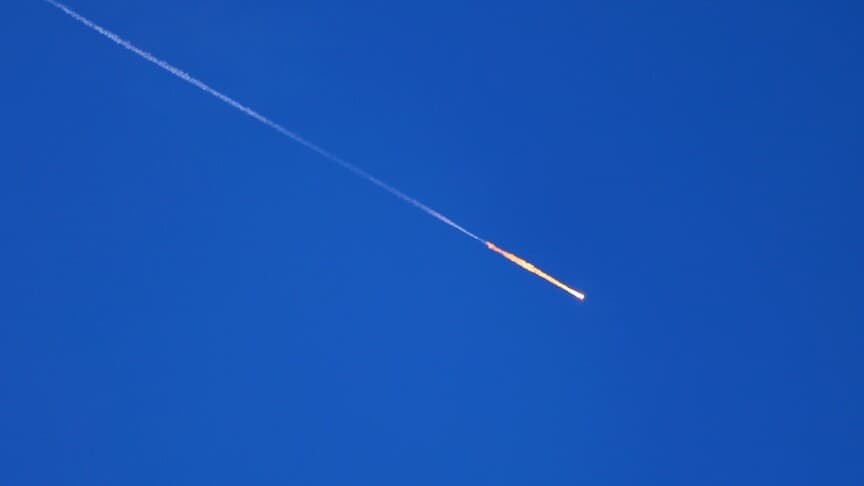
Earlier the same day, Kuwait's military reported that air defense systems were engaging «hostile» drones, and that explosions residents might hear were the result of interceptions. The Iranian army said it attacked with drones and missiles American military platforms used for drone and missile operations at the Ali Al Salem air base in Kuwait.
Context of the conflict
According to Anadolu, the new developments followed a report by the Iranian broadcaster IRIB that the day before, on Tuesday, US forces had struck several sites on Iran's Qeshm island. The United States and Israel began the war against Iran on February 28; Tehran responded by attacking Israel and American military facilities in Arab countries. In June, the US and Iran signed a memorandum of understanding and began negotiations, which then stalled over disagreements on ensuring safe and free shipping through the Strait of Hormuz.