The key facts
- Ruto reported raising 340 billion shillings ($2.6 billion) for the National Infrastructure Fund through the sale of stakes in mature state assets
- The plan envisions mobilizing about 5 trillion shillings ($38 billion) for infrastructure over ten years and increasing generating capacity by 10,000 MW
- A proposal was made to exempt workers earning up to 32,333 shillings ($250) a month from income tax
Address to parliament on the eve of an election cycle
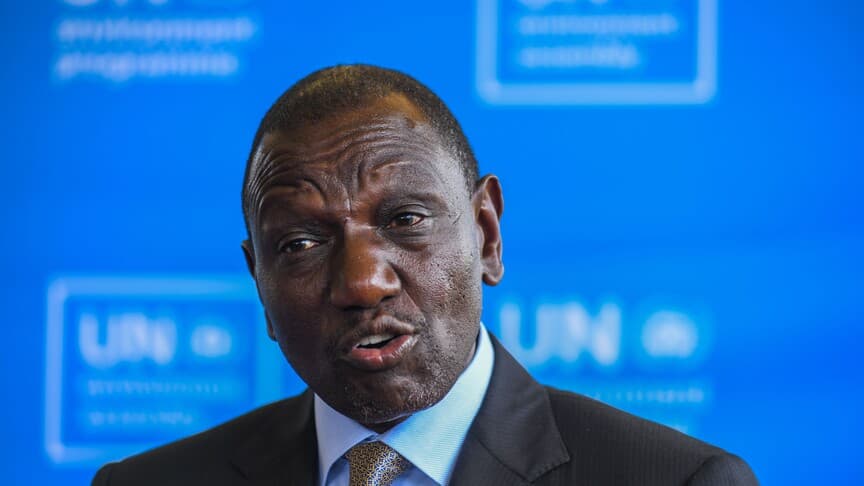
Kenyan President William Ruto delivered his State of the Nation address before a joint sitting of parliament in Nairobi on Wednesday. According to Anadolu, this was the last such address of his first term, and the president used it to justify continuing his economic agenda ahead of next year's presidential election.
Infrastructure fund and energy
The central theme was investment plans. According to Ruto, the government has already raised 340 billion Kenyan shillings ($2.6 billion) for the National Infrastructure Fund through the sale of stakes in mature state assets. Over the coming decade, about 5 trillion shillings ($38 billion) is to be mobilized for infrastructure development: the funding is expected to be raised by the fund itself and a planned sovereign wealth fund — through pension schemes, institutional investors and international development lenders. The strategy includes increasing generating capacity by 10,000 MW through geothermal, hydro, wind and solar power, as well as a large-scale modernization of roads, railways and airports. The president also said that 7,000 km of roads are currently under construction.
Tax relief and social measures
Against the backdrop of pressure over the cost of living, Ruto proposed exempting workers earning 32,333 shillings ($250) a month or less from income tax. He also announced the hiring of an additional 20,000 teachers in December.
Context: debt and the 2027 election
The ambitious spending plans come amid Kenya's growing debt obligations and rising debt servicing costs, which constrain government spending on development. Ruto, who has held office since September 2022, is expected to seek a second five-year term in 2027; his economic performance, tax policy and household cost of living are likely to be key campaign themes.