The key facts
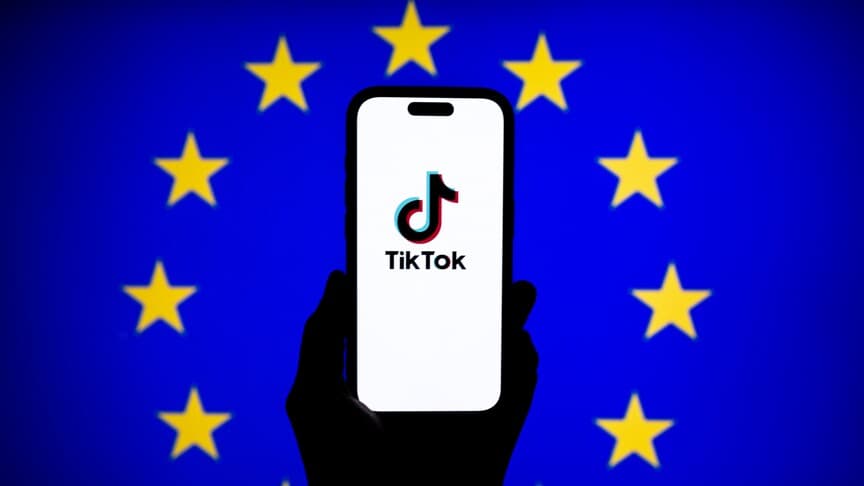
- Germany and Austria proposed a European ownership structure for TikTok in Europe
- The goal is control over data and algorithms and 'digital sovereignty'
- TikTok has about 200 million users in Europe; the platform is owned by ByteDance
Joint initiative of Berlin and Vienna
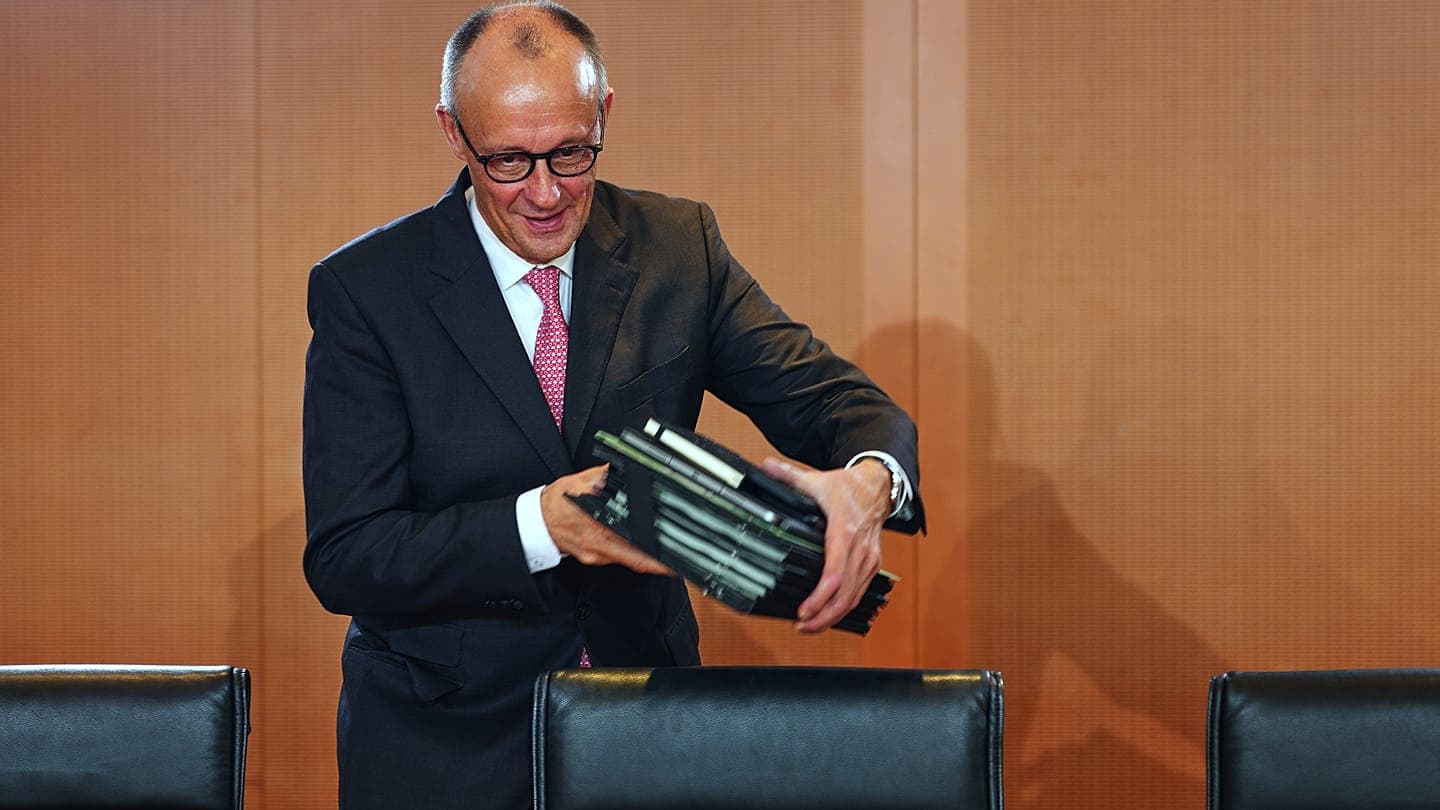
Germany and Austria on Wednesday put forward a joint proposal to create a European ownership structure for TikTok's operations on the continent in order to limit third countries' control over user data and public discourse. The initiative was laid out in a joint statement by Germany's Minister of State for Culture and Media, Wolfram Weimer, and Austria's State Secretary for Digitalisation, Alexander Pröll. According to them, the new structure should 'ensure control over data and algorithms and strengthen digital sovereignty', and all European states are invited to join the alliance.
Arguments and the platform's scale
TikTok is owned by the Beijing-based company ByteDance and has about 200 million monthly users in Europe. The ministers noted that roughly a third of the population of Germany and Austria uses the platform, making it influential in shaping public opinion. 'For too long we have watched Europe become increasingly dominated by digital services that are committed not to European democratic values but to the economic and geopolitical interests of third parties,' they stated, adding that it is necessary to protect children's mental health and development, as well as sovereignty over data, communication and democratic opinion formation.
Analogy with telecom infrastructure
The ministers believe that the restrictions already applied to critical telecommunications infrastructure should also extend to digital platforms such as TikTok. As an example, they cited Germany's requirement to remove Huawei and ZTE components from core 5G networks by the end of 2026. In their view, establishing European ownership of TikTok's regional operations and placing its key technological infrastructure under European control would be a significant step towards 'genuine digital sovereignty'. The statement so far reflects the position of the two governments; it does not report any specific implementation mechanisms or the reaction of the company itself or other EU countries.