The key facts
- EU package for Jordan for 2025–2027: €640 million in grants, €1 billion in macro-financial assistance, and around €1.4 billion in investments to be mobilised
- Jordan's industrial exports in the first half of 2026 — around €5.5 billion, up 8.9%
- The EU–Jordan investment conference will take place on 19 November at the Dead Sea
A partnership translated into numbers
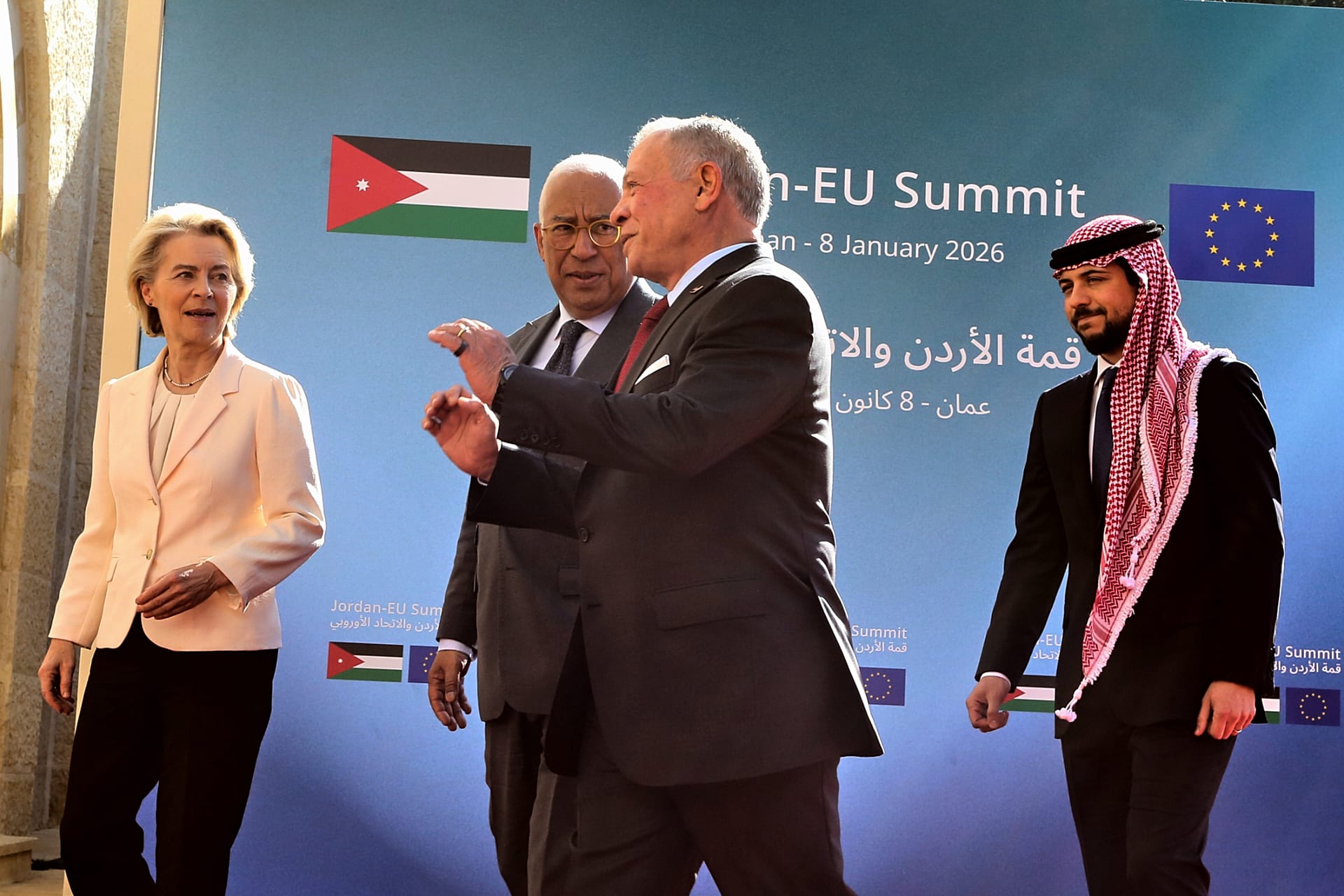
On 18 November, Euronews published a piece devoted to the strategic partnership between the European Union and Jordan, against the backdrop of the Jordan–EU Investment Conference taking place on 19 November near the Dead Sea. The authors describe Jordan as a 'reliable partner' for European business and 'Europe's trusted gateway to the entire Middle East', emphasising that sustainable investment requires predictable political and economic conditions, not just capital.
What is already working
The foundation of the partnership is the EU–Jordan Strategic and Comprehensive Partnership launched in January 2025, with a €3 billion package for 2025–2027: €640 million in grants, €1 billion in concessional macro-financial assistance, and around €1.4 billion in additional investments still to be mobilised. According to the figures cited in the publication, Jordan's industrial exports in the first half of 2026 reached approximately €5.5 billion ($6.2 billion), up 8.9% year on year, and in 2025 the kingdom's industrial products were supplied to 150 world markets thanks to a network of free trade agreements.
European business is already in Jordan
The article draws on an EU study of the presence of European companies in the country: 80 European companies generate around €2.5 billion in annual turnover, nearly €230 million in corporate taxes, and 22,000 direct and indirect jobs. Jordan's economy, according to the publication, grew 3% year on year in the second quarter of 2026; the dinar has been pegged to the US dollar since 1995, and in May 2026 Fitch affirmed the sovereign rating at BB- with a 'stable' outlook. Registrations of companies owned by Gulf-based proprietors rose 23% in the first half of 2026, compared with 7% growth in overall registrations.
Priorities and what is still to come
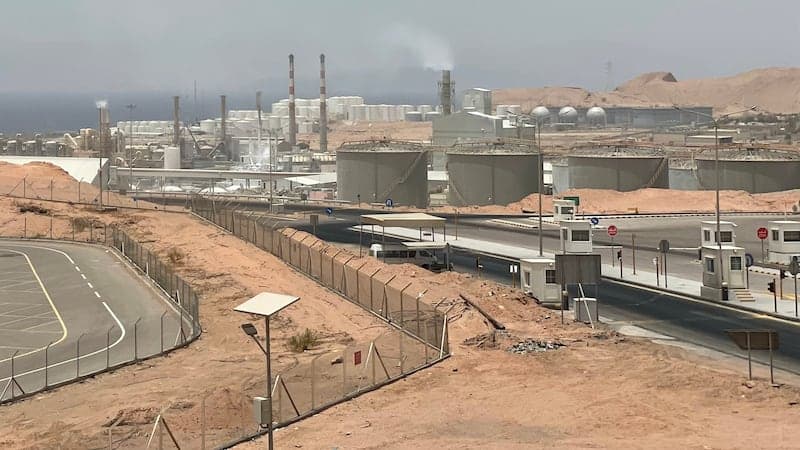
Among the stated shared priorities are renewable energy, water infrastructure, digital technology, logistics and high-tech manufacturing. The authors link this to Europe's drive to diversify supply chains. Part of what is mentioned remains in the planning stage: the conference will feature the European contribution to Jordan's water transfer project (the National Conveyance Project), while the EU-supported Aqaba digital hub is expanding data centre capacity and plans an academy for training specialists in ICT and cybersecurity — according to the EBRD, which supports this project together with the EU. It is important to distinguish between mechanisms already in operation and announcements: the grants and macro-financial assistance have been approved under the 2025–2027 package, whereas the 'additional' €1.4 billion represents funds expected to be mobilised, not yet allocated.