The key facts
- The Dardenne brothers will receive the EFA lifetime achievement award on 16 January 2027 in Athens
- Over nearly 40 years in cinema, they have won at Cannes six times, including two Palme d'Or awards
- Luc Dardenne called for 'fighting' for cinema's humanity and refusing to hand over data to artificial intelligence
An Award for Forty Years of Work
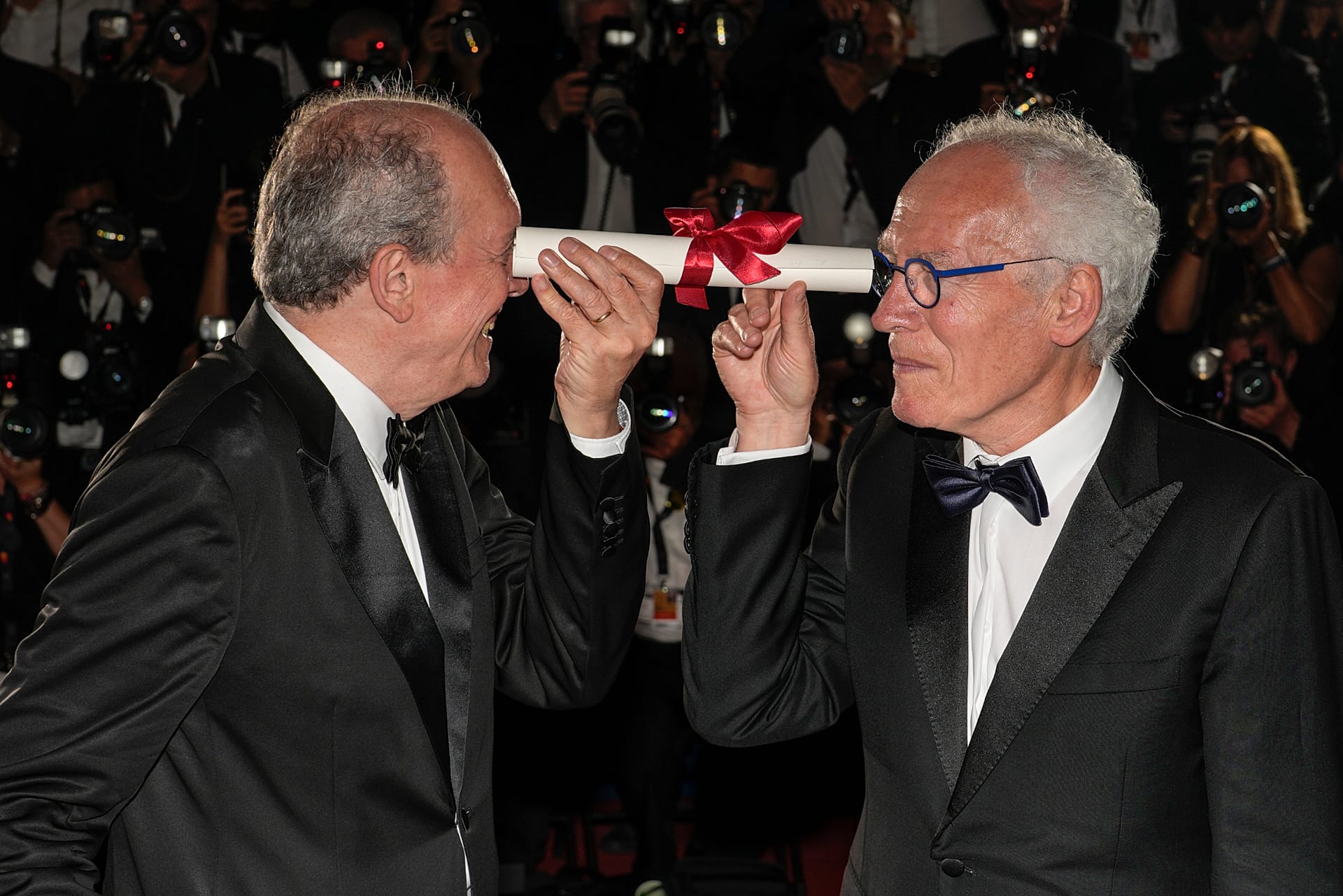
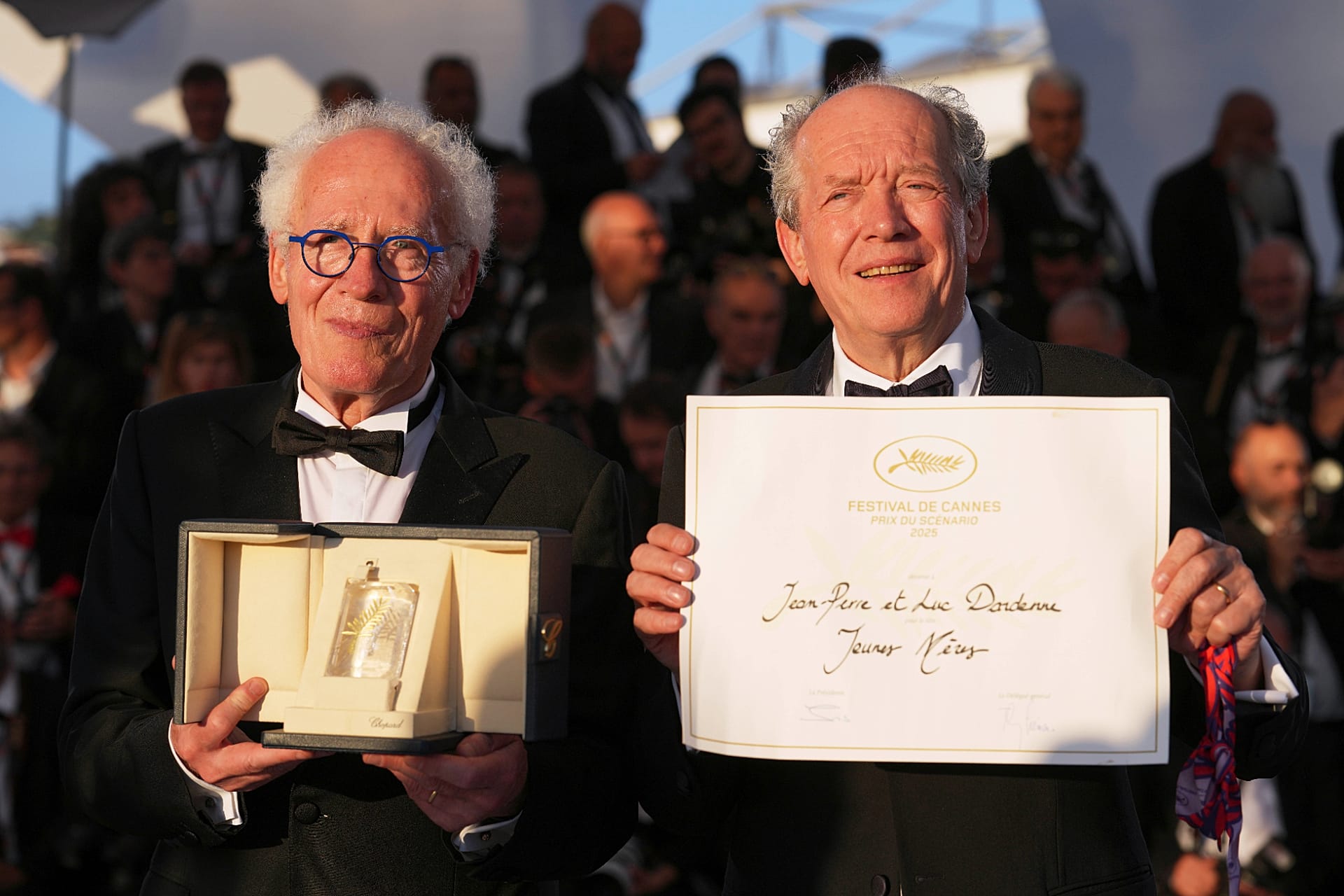
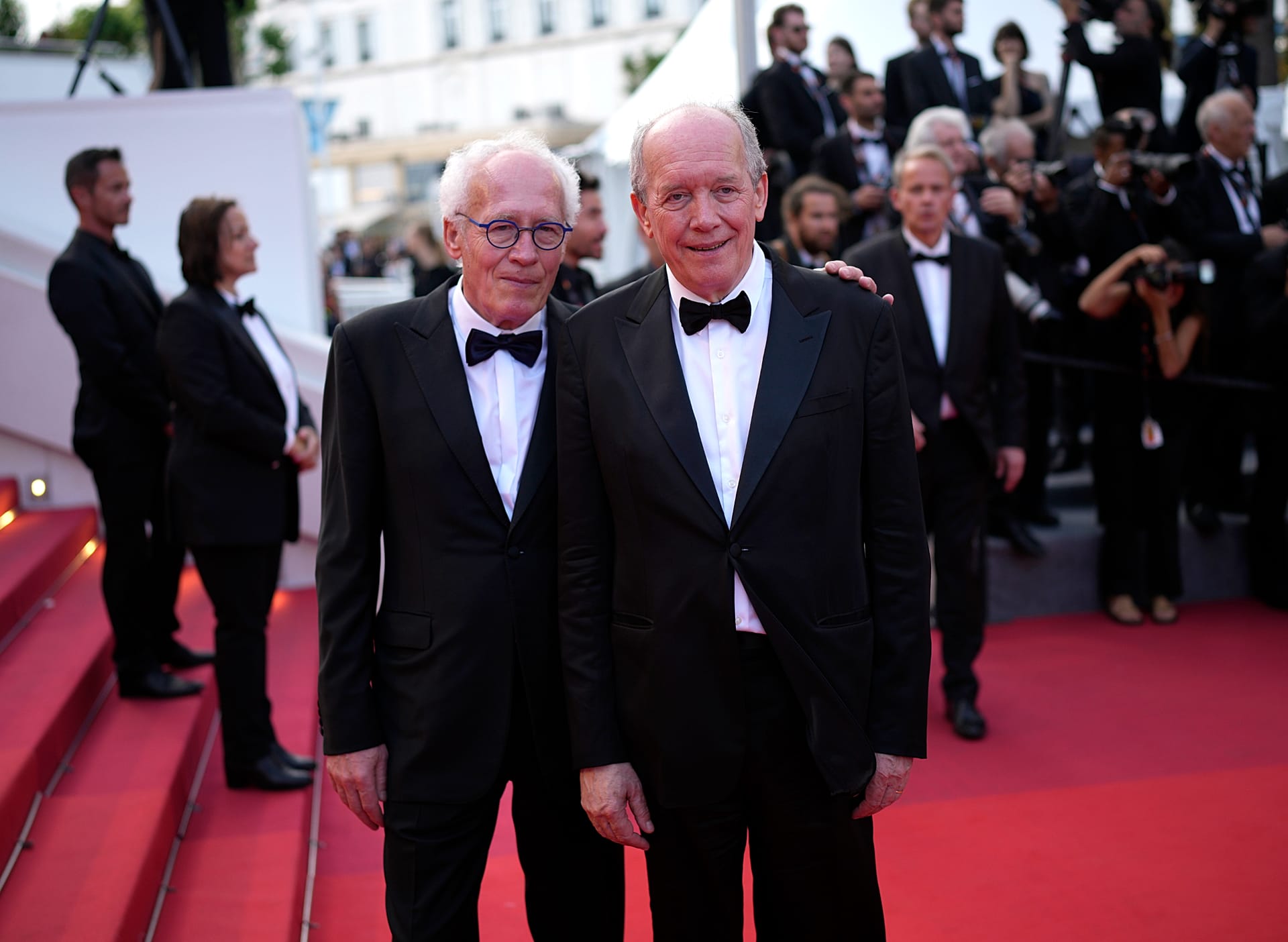
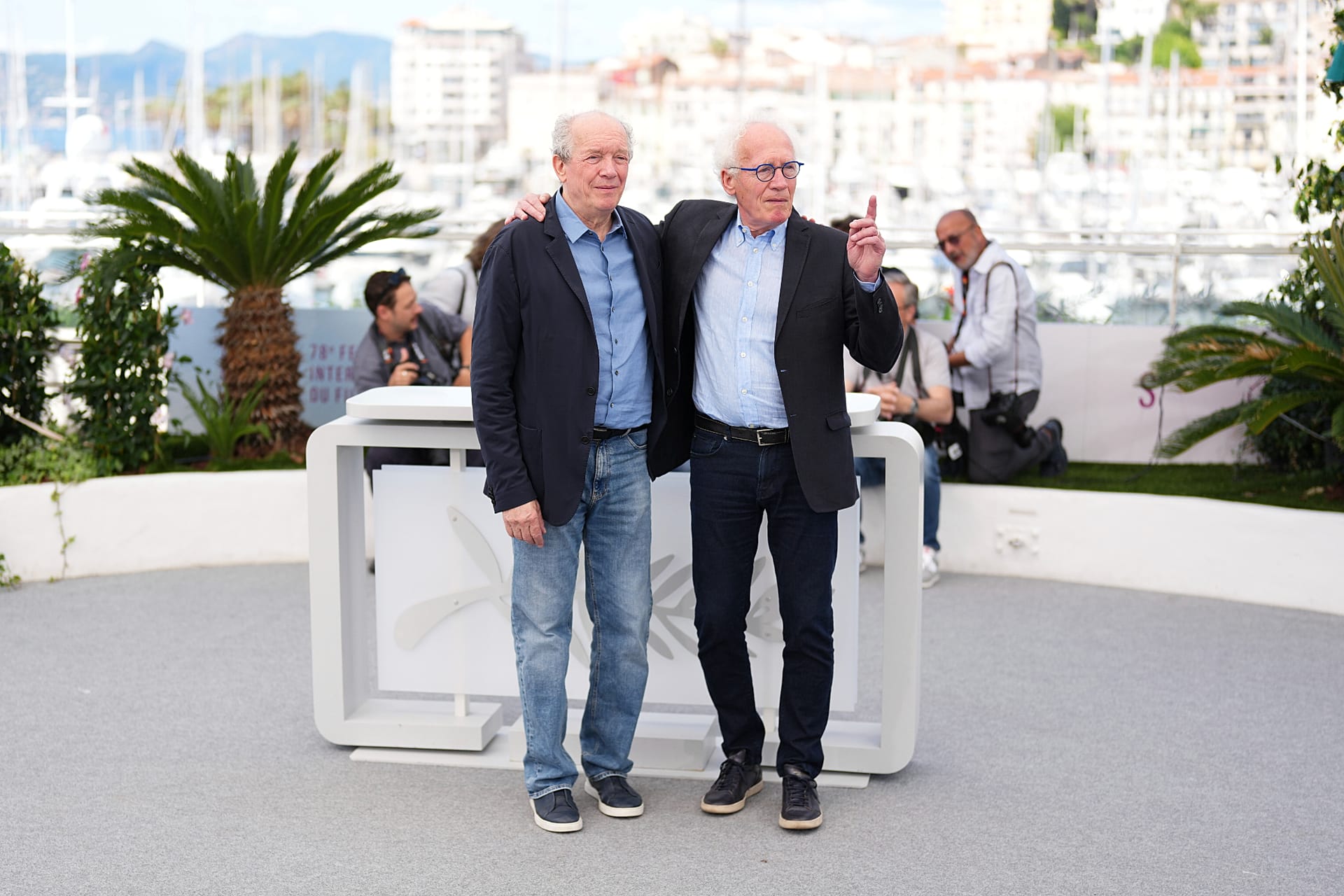
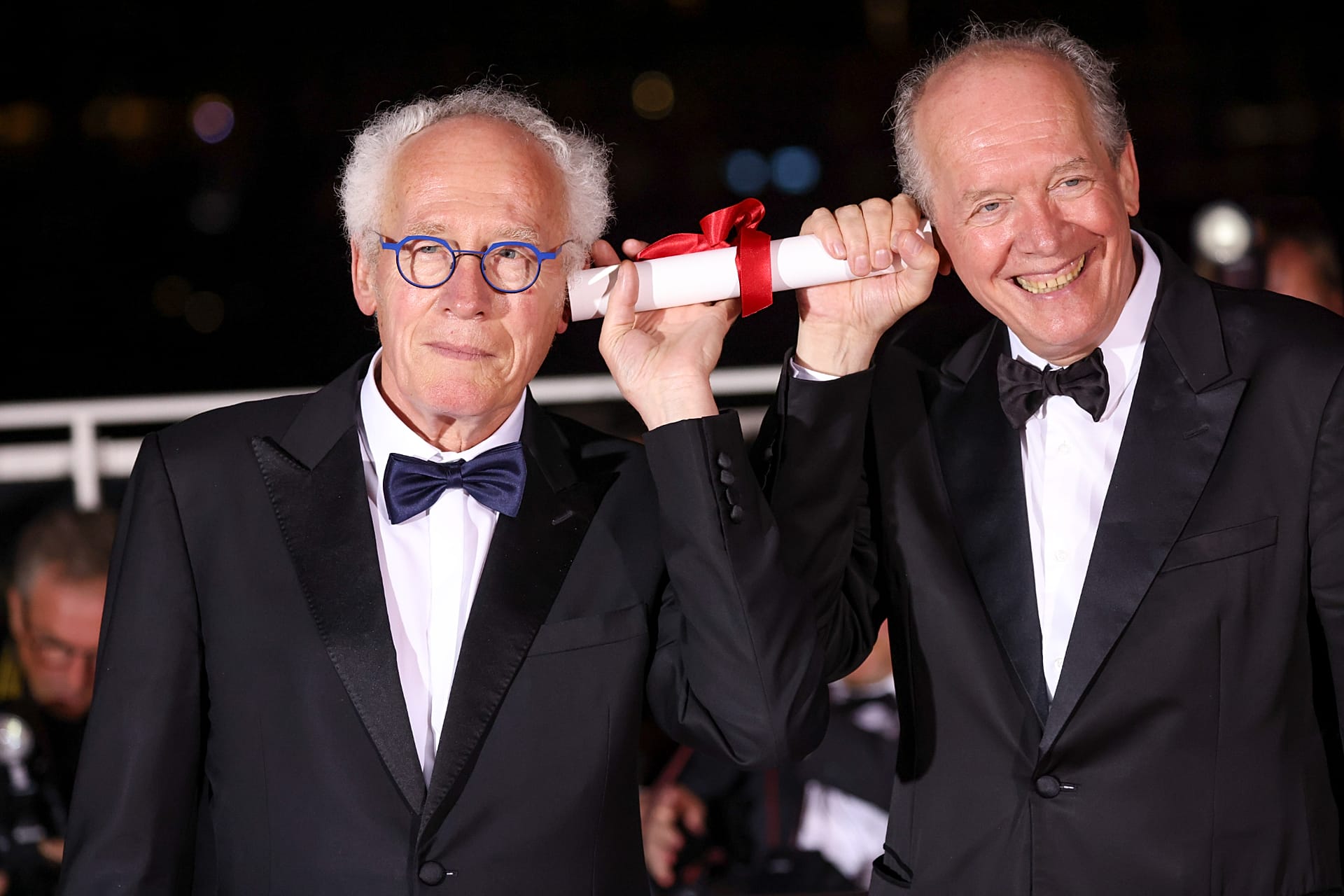
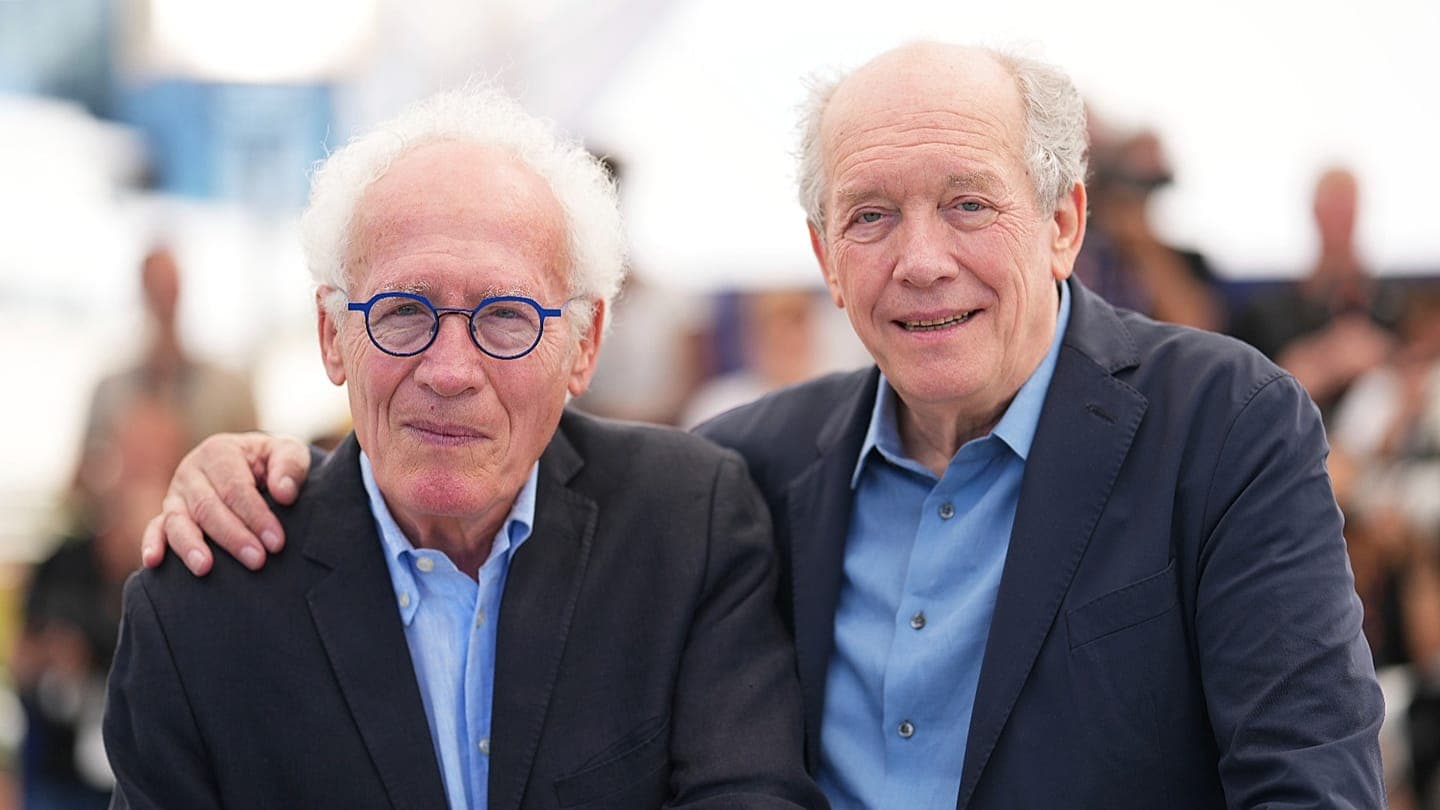
Belgian directors Jean-Pierre and Luc Dardenne will receive the European Film Academy's (EFA) honorary lifetime achievement award. The ceremony will take place on 16 January 2027 in Athens. The duo, known for their humanist dramas, has remained one of the key figures of European independent cinema for almost 40 years. Over their career, the brothers have received Cannes Festival prizes six times, including two Palme d'Or awards — for 'Rosetta' and 'The Child'. Their most recent award was the prize for Best Screenplay at Cannes 2025 for the film 'Young Mothers'. Earlier, they received the EFA award for Best Documentary for the 1997 film 'Life After Life' (Gigi, Monica… Et Bianca) and the European Screenwriting Award in 2011 for 'The Kid with a Bike'.
Cinema as an 'Empathy Machine'
In an interview with Euronews Culture, Luc Dardenne called the award a great honour and said it reflects the continuity of their artistic quest over four decades of work. Speaking about the words of academy president Juliette Binoche, who intends to 'humanise society through cinema', Jean-Pierre Dardenne urged caution with such statements: according to him, history shows that cinema has humanised nothing, but it 'can contribute to making us more human' — as in the films of Charlie Chaplin. Luc Dardenne cited Mizoguchi's 'Sansho the Bailiff' and Truffaut's 'The Woman Next Door' as films that evoke compassion and closeness to people, and emphasised that cinema is 'not a militant, but a complex language'.
Artificial Intelligence: Tool or Threat
Luc Dardenne stated that filmmakers do not want AI to shoot films for them, replace actors, or edit pictures: 'We must fight to ensure that a sense of humanity remains in cinema', and refuse to hand over all data to artificial intelligence. At the same time, the brothers allow the use of AI as a working tool: Jean-Pierre spoke about a doctor at a Belgian hospital who explained how AI helps personalise the treatment of oncological diseases. Luc added that AI will play a real role in medicine and ecology, but in cinema — 'a mechanical art form' — it is important not to confuse simulacrum with reality. He also warned of the threat of standardisation from streaming platforms and the shrinking number of cinemas.
'Cultural Exception' and Belgian Cinema
Jean-Pierre Dardenne highly praised the current state of Belgian cinema, noting the richness and diversity of films compared with the period 40–50 years ago, including in documentary filmmaking, and naming directors such as Emmanuelle Marre, Lukas Dhont and Michaël R. Roskam. He named the principle of 'cultural exception', championed by France, as the key defence of European cinema: its abolition and the treatment of culture as an ordinary commercial product would be, in his words, 'a real catastrophe'. Luc Dardenne said that together with Michel Hazanavicius and other French, German and Finnish directors, he had defended this principle, and emphasised the economic argument: the film industry means jobs, and cinema generates public discussion, which 'is part of democracy'. The publication's interlocutor also mentioned Canal+'s plans to reduce support for the film industry.
The Next Film and Social Themes
The brothers hope to begin shooting their next film in September or October of next year, although Jean-Pierre admitted there is no certainty yet — 'we have zero euros'. The screenplay was finished before the recent student protests in France, Italy and Belgium, but Luc Dardenne noted that he draws inspiration from reality and the struggle for social rights — for food, education and healthcare. He supported the young people's concrete demands and added that the brothers' new films will continue the tradition of stories about people in difficult economic circumstances trying to escape them. Among recent films that impressed them, the brothers named Marina Atlant's 'La Gradiva' — a French-Italian picture they watched separately in Liège and Brussels.