The key facts
- The New York Times published data on an unofficial document from the Russian delegation in Abu Dhabi, in which Central Asia is included in the list of Moscow's zones of exclusive interests.
- A Gazeta.uz expert calls on the region's countries not to panic, but to develop a unified strategy and strengthen internal dialogue to defend sovereignty.
- The author recommends revising the 'Central Asia+' format and not allowing the region to become an arena of rivalry between external players over resources.
The Essence of the Ultimatum
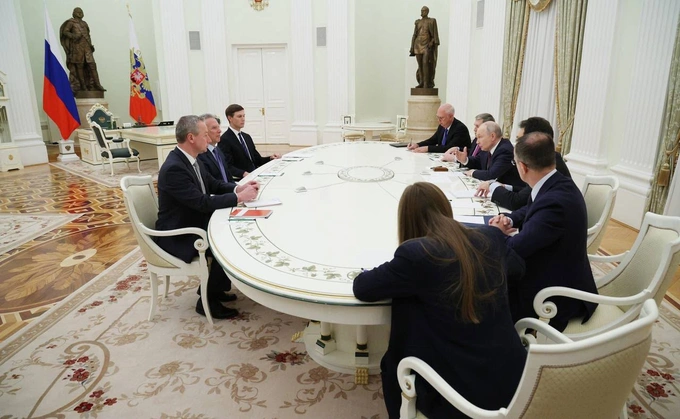
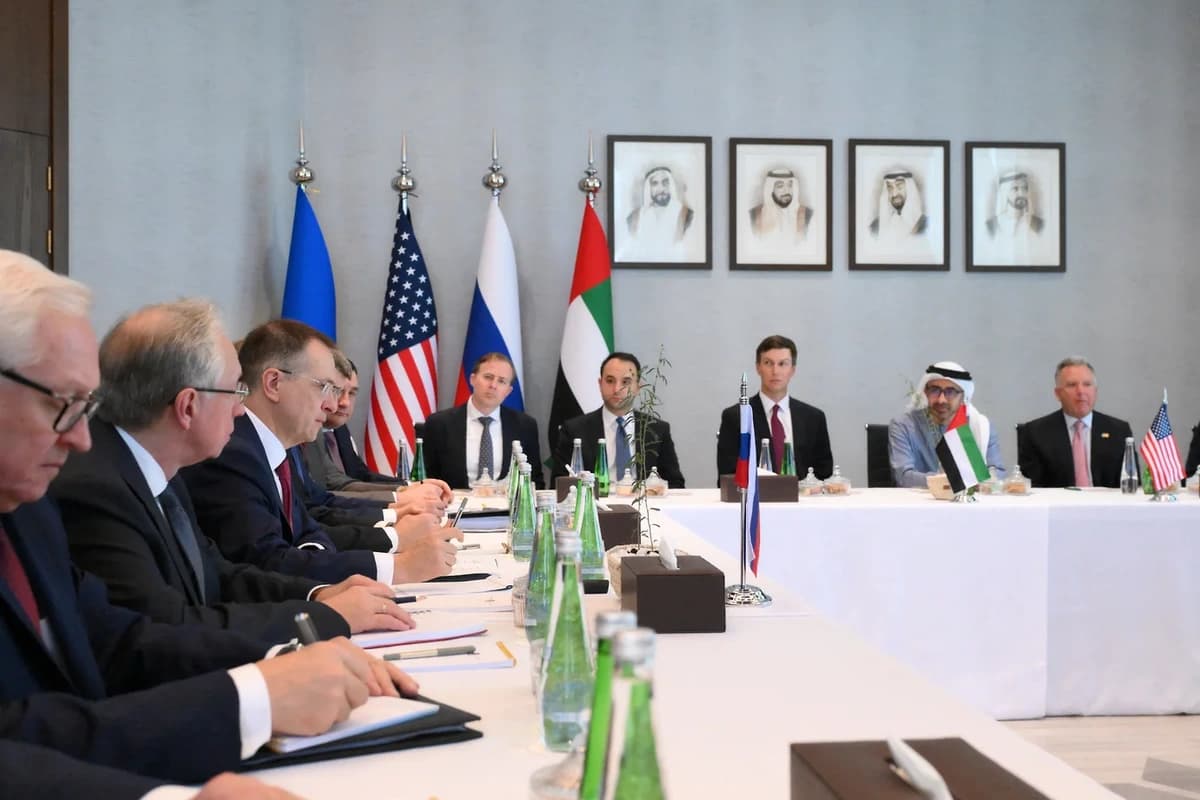
At the end of last week, The New York Times published a report on an unofficial document which, according to the newspaper, was circulated by the Russian delegation during trilateral talks in Abu Dhabi between the US, Ukraine and Russia. According to the publication, in this document the Kremlin repeated a number of demands made to NATO countries at the end of 2021, including refusal to expand the alliance, withdrawal of troops and military bases to 1997 positions, and an end to any military activity in Ukraine, Eastern Europe, the South Caucasus and Central Asia. The author of the article notes that although the main focus of the ultimatum is aimed at Europe and Ukraine, the mention of Central Asia indicates that the region is viewed by Moscow as part of its zone of exclusive interests.
Reaction and Context
The publication caused a wide resonance in the media and social networks, provoking anger over the fact that the region's fate is being discussed without its participation. An expert in an article for Gazeta.uz emphasizes that such situations are not rare in international politics: states often put forward inflated demands to achieve smaller goals or to drag out the process. The author recalls that similar ultimatums in 2021 did not stop Western countries, and in 2023 Russia and China in a joint statement also directly mentioned Central Asia, declaring their readiness to support the sovereignty of the region's countries and prevent external interference. It is also not ruled out that the topic of the region may be raised during the upcoming trilateral talks in Shenzhen between Xi Jinping, Donald Trump and Vladimir Putin.
Recommendations for the Region's Countries
Instead of panic, the author proposes that the Central Asian countries focus on defending their positions and move from the role of passive objects to active subjects. As concrete steps, it is proposed not to allow the region to become an arena of rivalry between external players, which may happen if the concept of 'multi-vectorness' is implemented without a clear strategy. The expert points to risks associated with the 'Central Asia+' format, where discussion of critical minerals and rare earth elements may lead to a situation in which the region's countries find themselves forced to choose between incompatible interests of partners. Instead, it is proposed to conduct an internal assessment of the potential of the five countries to create their own production chains and logistics projects.
The Format of Regional Dialogue
Special attention in the article is given to the need to strengthen regional identity without involving external players. The author criticizes the trend of expanding the format of Consultative Meetings of the Heads of State of Central Asia beyond the 'five', pointing to the proposal for Azerbaijan's accession as an example of diluting the platform's original logic. The task of dialogue, in the expert's opinion, should be for the five countries to learn to interact better with each other and form common interests. It is also recommended to stop avoiding difficult topics in dialogue with external partners and to prepare to defend one's positions, citing the example of Ukraine, Azerbaijan and Armenia, which, despite different statuses and pressure, demonstrate the ability to conduct dialogue on equal terms.