The key facts
- Trump said the US does not need China's or Russia's help to end the war with Iran
- According to him, Iran's missile arsenal has shrunk to roughly 12–13% of its former level
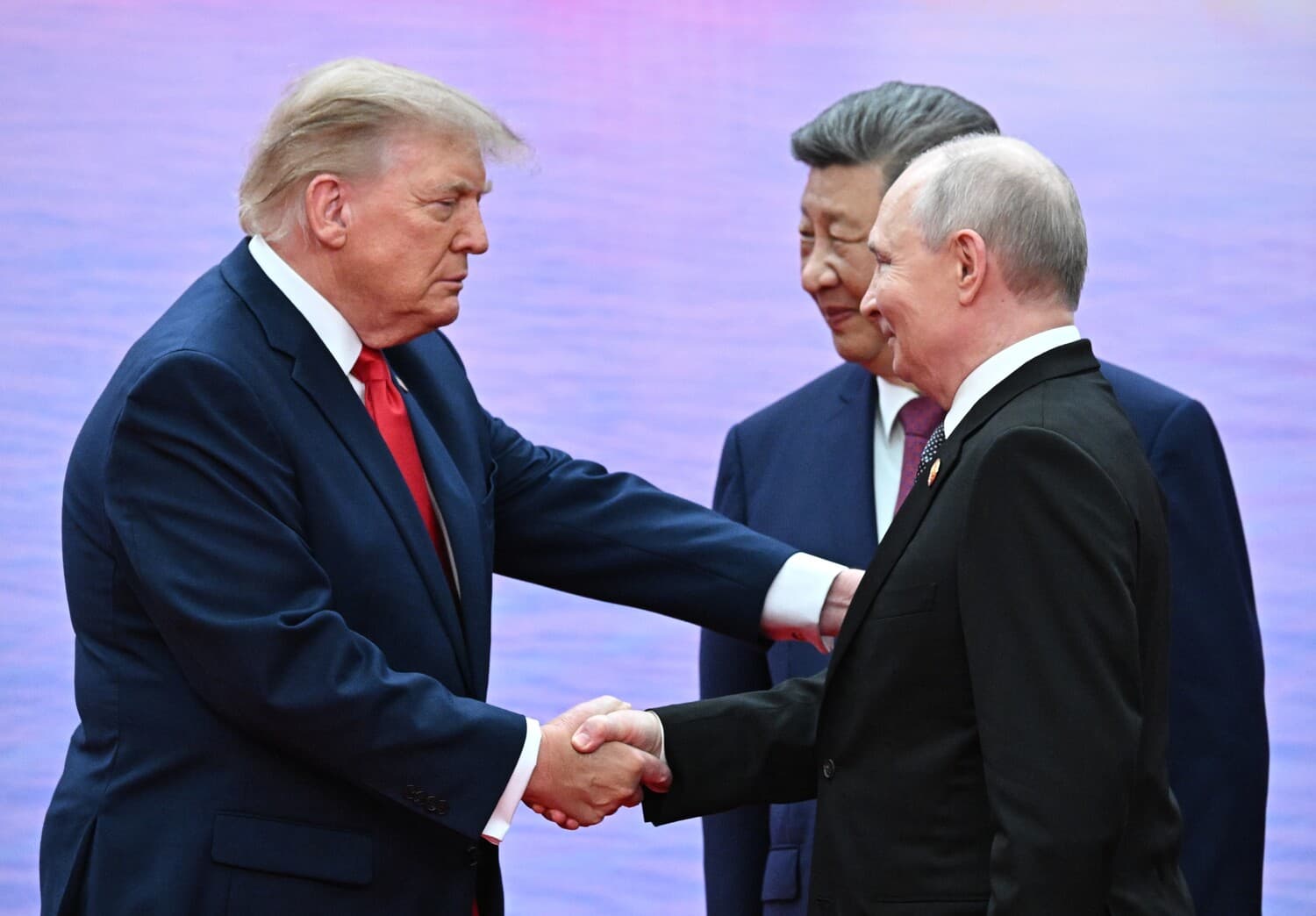
- The statement was made ahead of a three-way meeting with Xi Jinping and Putin in Shenzhen
Statement Ahead of the Three-Way Meeting
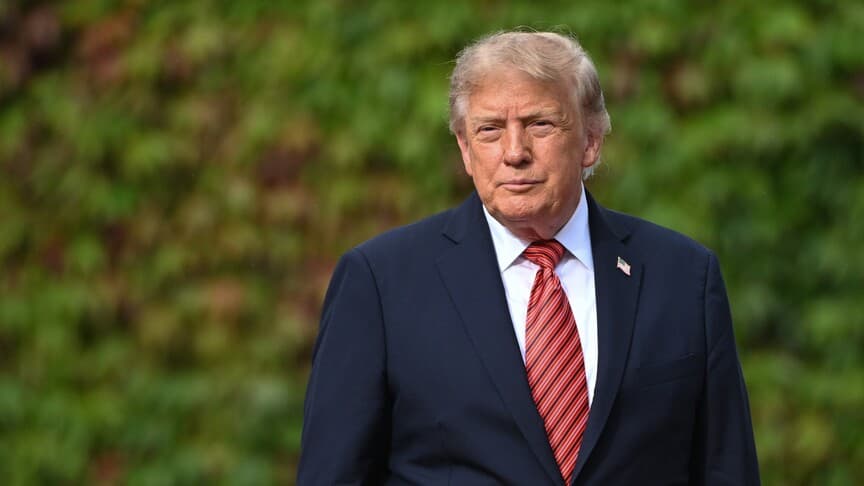
US President Donald Trump said that Washington does not need China's or Russia's help to end the war with Iran. 'We don't need any help. We crushed their navy, we crushed their air force, we crushed their air defenses,' he said in a Fox News interview in Shenzhen ahead of the scheduled three-way meeting with PRC Chairman Xi Jinping and Russian President Vladimir Putin.
Assessment of the Situation with Iran
Trump claims that Iran's missile arsenal has shrunk 'to roughly 12–13% of what it was,' and that Tehran wants to make a deal. 'I'm not going to go and ask for any help,' he added. According to him, the US has 'full control over the Strait of Hormuz,' while China and Russia 'have treated us very well' and have not 'sent ships into the water.' On negotiations with Tehran, he said: 'They want a deal, but I want a deal that will be durable,' and promised to 'finish this soon — one way or another.'
Accusations and Comments on China and Russia
Asked why it is advantageous to meet with Xi and Putin at the same time, Trump said: 'Because they work together. They have a relationship.' He added that this relationship 'should never have been allowed to happen,' and blamed former President Barack Obama, who, according to him, 'pushed them together over energy': China needs energy, and Russia has it. Asked about reports of an Iranian plot involving a 'dirty bomb' in Washington, Trump replied that 'there is an indication' that Iran is considering chemical and biological weapons, called the Iranians 'despicable people,' and warned: 'If that happens, we will destroy them.' On cabinet members living on military bases, he said this is 'not related to the Iranian situation.'
Context of the War
The statements came amid continued tension in the region during the US-Israeli war against Iran, which began with joint strikes on February 28. In response, Tehran attacked Israel and Persian Gulf countries where American bases are located. In June, the US and Iran signed a memorandum of understanding, but it was never fully implemented due to disagreements over freedom and security of navigation in the Strait of Hormuz — a key route for energy supplies; since July, clashes have resumed from time to time. According to available data, the war has claimed thousands of lives and led to a rise in global oil and gas prices.