The key facts
- The Brussels summit will discuss a youth scheme, carbon pricing and food trade — without full reintegration
- Since 2016 the EU has become more protectionist and open to joint borrowing
- Since 2016 the EU has become more protectionist and more open to joint borrowing
- Brussels doubts the durability of British commitments
A limited agenda instead of drama
On the eve of the EU–UK summit in Brussels, the opposition's criticism sounded sharper than the content of the talks themselves: Reform UK called the government's plans 'opening the door to uncontrolled immigration', while the Conservatives accused the cabinet of 'dragging the country into the EU through the back door'. As BBC Europe editor Katya Adler writes, what is actually on the table is far more modest: a limited youth work and mobility scheme, an agreement on carbon emissions pricing across the Channel, and a deal to ease food trade. Also under discussion is a reduction in tuition fees for EU students at British universities — in exchange for the UK joining a European production programme. According to the BBC, even in these narrow areas not all details will be agreed by Thursday's meeting.
A 'step', not a leap
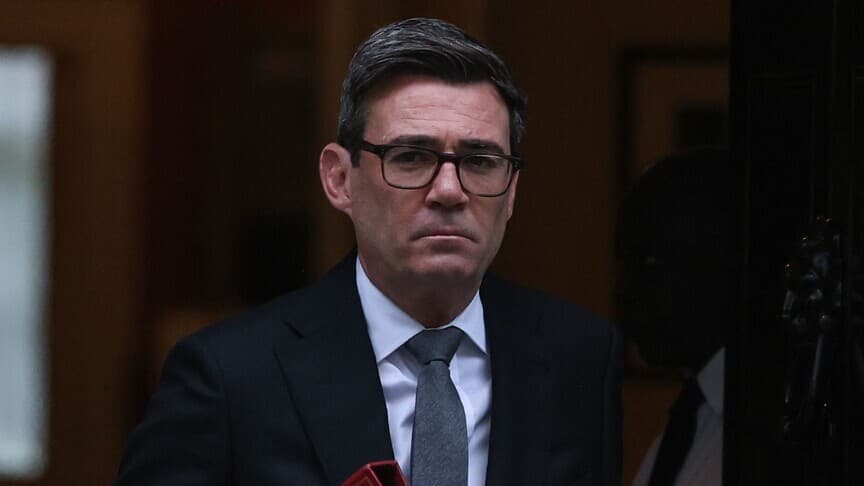
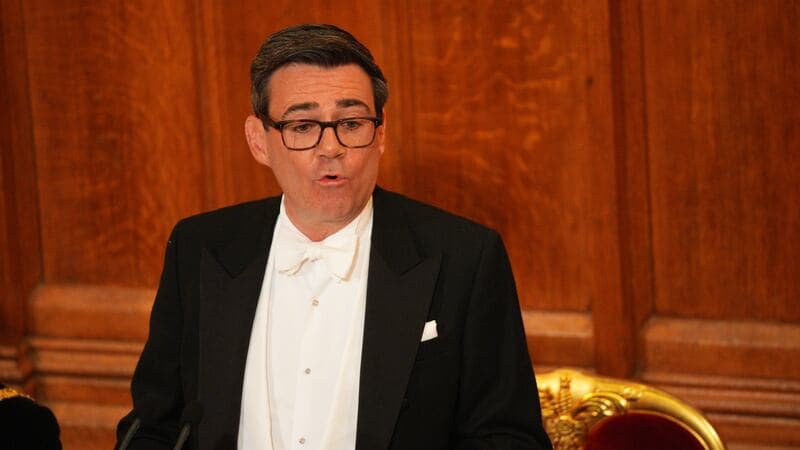
Prime Minister Andy Burnham admitted last week that all of this is merely a 'step' towards closer cooperation with Europe, not a return to the bloc. Among the next steps are the possible re-entry of the UK into the European electricity market and a new attempt to join the EU-backed defence loans scheme. The EU's chief diplomat Kaja Kallas describes the process as 'small steps… so that both sides become stronger', but warns: 'In Europe there is a lot of trauma from Britain's departure, so it will not be easy.' Bigger and politically explosive questions — returning to the customs union, the single market and, possibly, a new referendum — according to the BBC, may only be proposed after the next general election.
How the EU itself has changed
Since 2016, a series of shocks has reshaped the European Union: the pandemic disrupted supply chains and exposed dependence on China, Russia's 2022 invasion of Ukraine exposed dependence on Russian energy, and two terms of Donald Trump convinced Brussels that it cannot rely fully on the US, either in trade or in security. The result is a drive for self-sufficiency, diversification of imports and rising protectionism: the EU imposed tariffs on Chinese steel and is now imposing high tariffs on Chinese electric cars. London, notes Centre for European Reform director Charles Grant, is following the same logic: 'Everyone has become a little more French.' In addition, the EU has taken up the practice of joint borrowing, previously unheard of for Germany, and is discussing a new round — this time for defence.
Brussels' caution
The EU's attitude is ambivalent. Diplomats do not want to renegotiate the existing trade agreement with Britain and are content with 'small steps', but behind closed doors they doubt London's reliability: they hear deputy Conservative leader Alex Burghart promising to 'tear up' Labour's agreements if the party wins. Former Brexit negotiator Michel Barnier reminded that, being outside the bloc, Britain cannot pick only the advantageous parts of cooperation: the single market is the EU's 'crown jewel', and Brussels does not intend to make major exceptions for London. Economist Heather Grabbe of Bruegel, however, predicts an 'inevitable rapprochement' between the two sides: they share common challenges — ageing populations, climate, Russia's hybrid attacks. Uncertainty is also added by the EU's own internal politics: Marine Le Pen leads the polls ahead of France's presidential election in the spring, and if she wins, according to the BBC's assessment, talks with London will likely be pushed to the back burner.

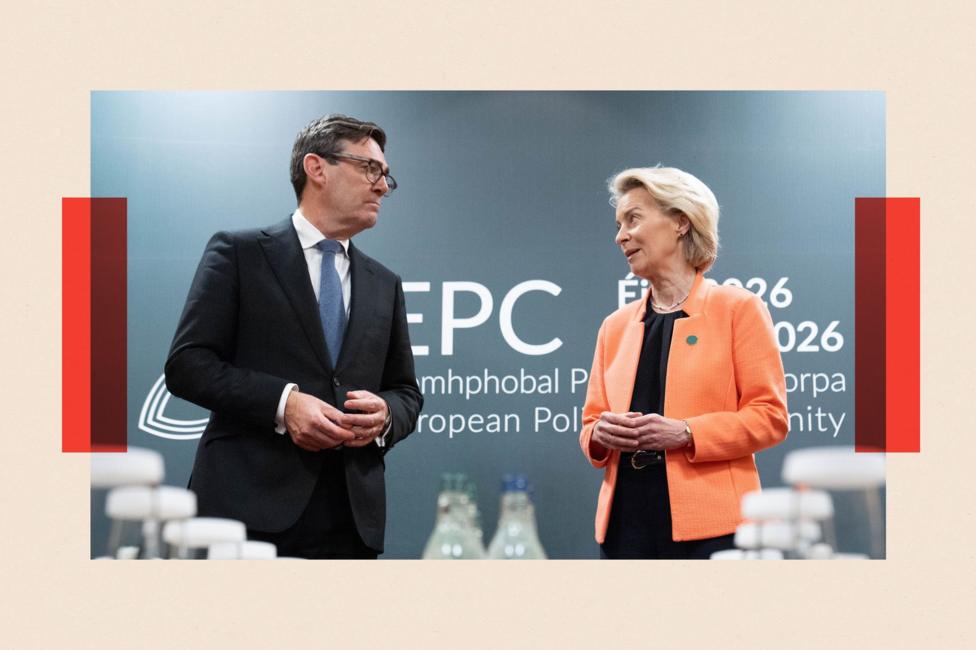 Image source, Stefan Rousseau - WPA Pool/Getty Images
At this week's summit, the UK and EU are expected to discuss a limited youth mobility scheme, cross-channel carbon emissions pricing, and a deal to ease food trade
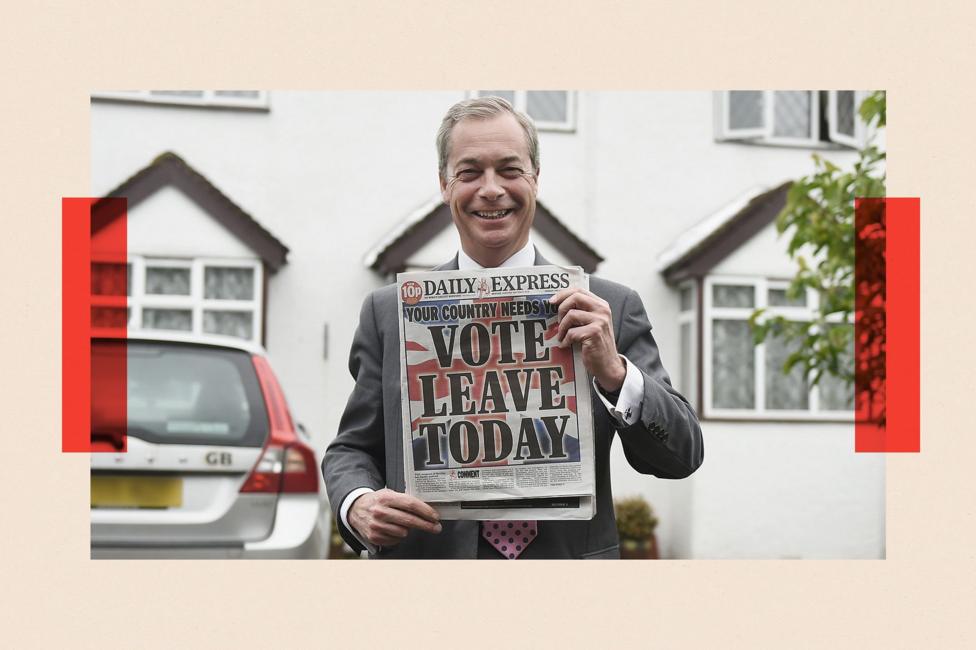 Image source, Mary Turner/Getty Images
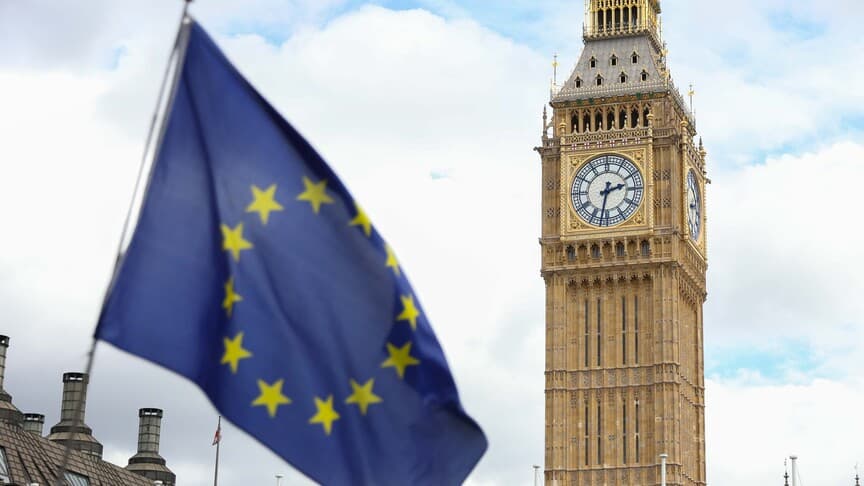
Britain's 2016 EU referendum prompted years of political drama
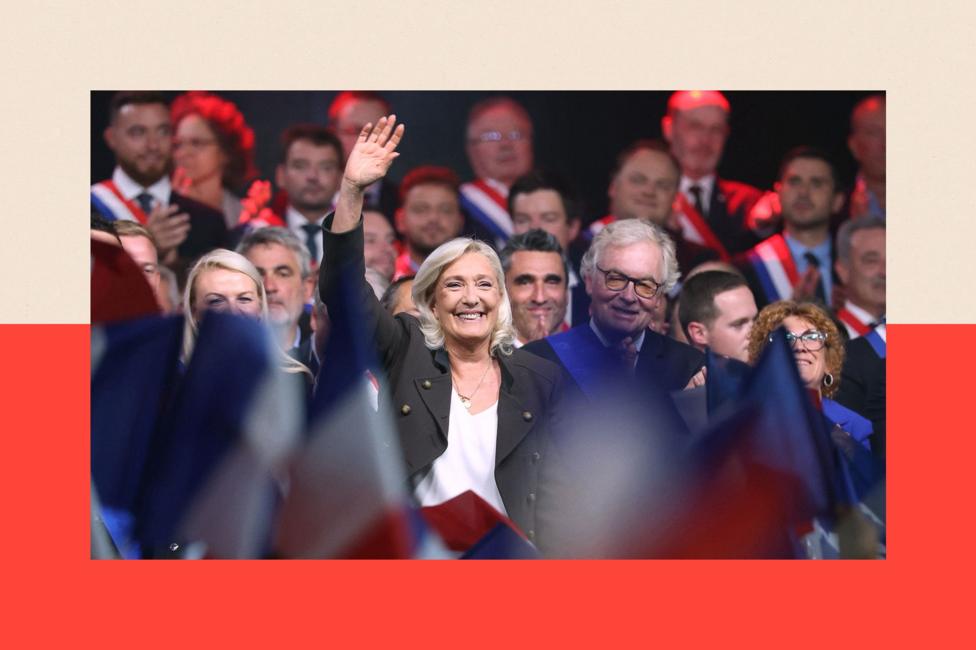 Image source, Thomas SAMSON / AFP via Getty Images
Marine Le Pen leads the polls in France for next year's presidential election
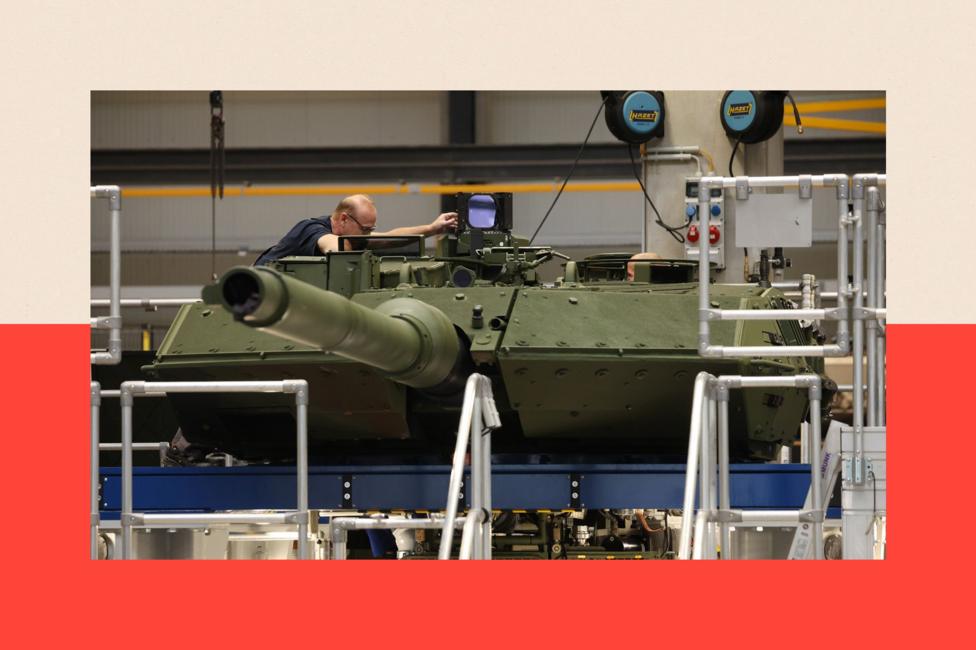 Image source, Sean Gallup/Getty Images
Germany and some European countries are investing in defence - and Britain now wants to join an EU-backed defence loan scheme
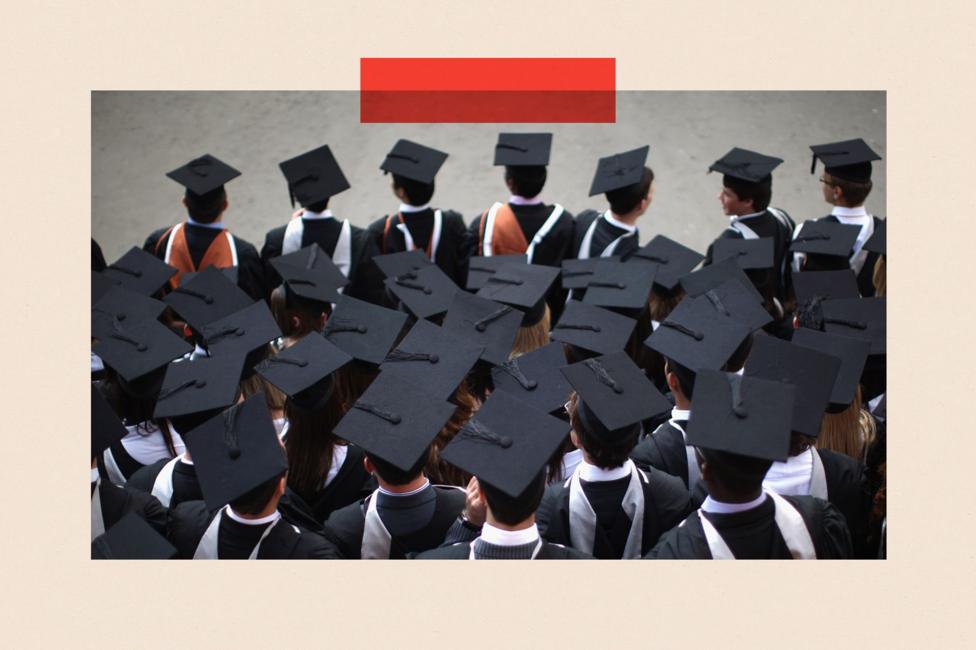 Image source, Christopher Furlong/Getty Images
British universities have historically been popular with Europeans - and now Brussels wants the UK to lower tuition fees for EU students