The key facts
- Brenham admitted that Britain's response to the Gaza war raised doubts about the country's 'moral compass'
- London is ready to work with the new Israeli government provided settlements stop, violence ends, and humanitarian aid is allowed
- Brenham also promised pressure on Russia over Ukraine and stated that Brexit 'did not work'
Acknowledgment of mistakes regarding Gaza
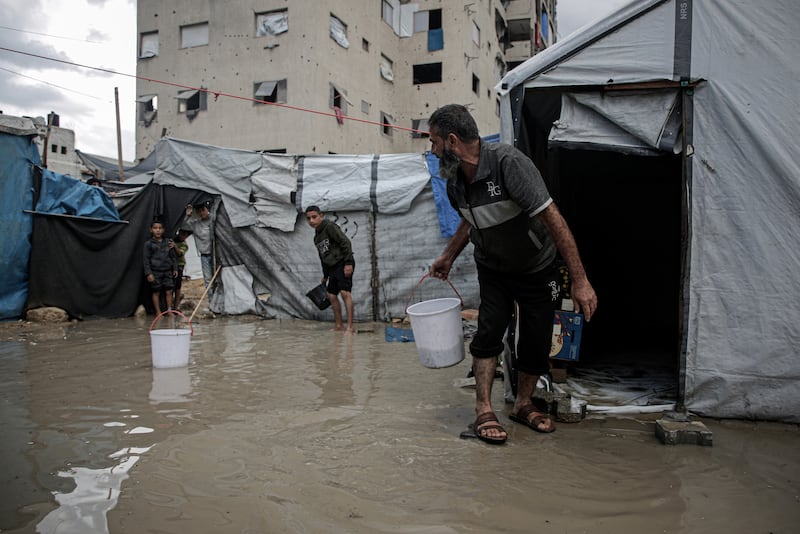
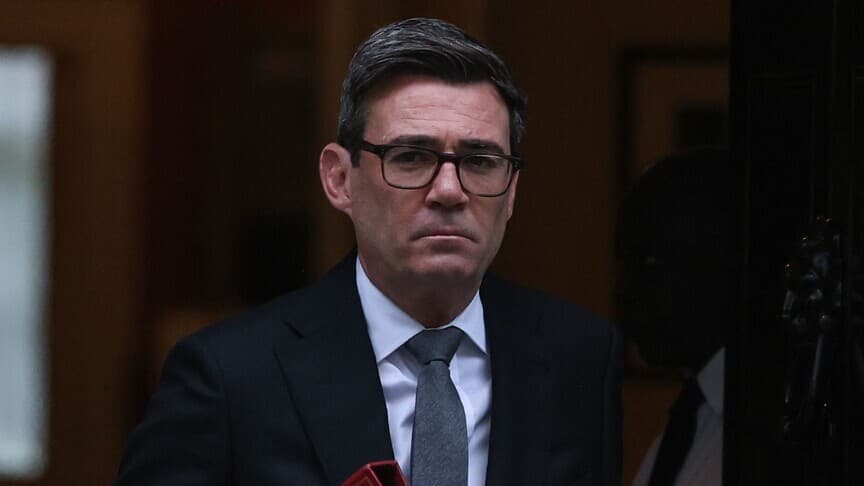
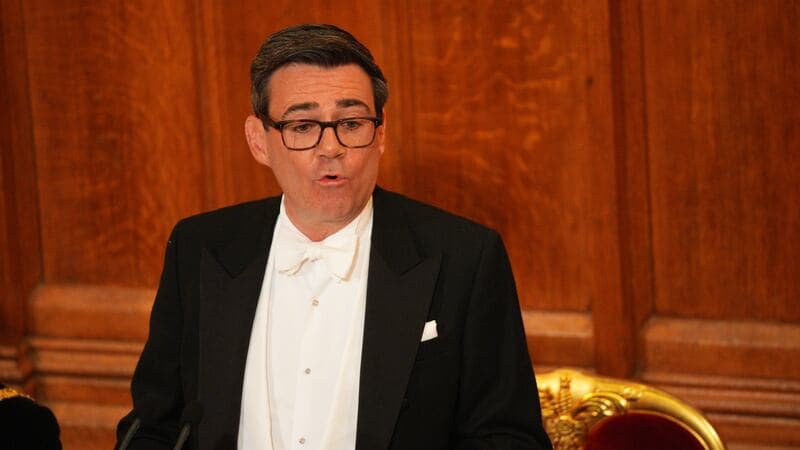
UK Prime Minister Andy Burnham, who has held the post since July, criticized the policy of his predecessor Keir Starmer on the issue of Gaza. Speaking at the Lord Mayor's Banquet in London before diplomats and financiers, he stated that Britain 'rightly condemned Hamas and the horrific attacks' on October 7, 2023, but 'our response to what followed in Gaza has made many question our moral compass.' This is reported by The National.
What exactly is being blamed on the predecessor
The publication notes that Starmer was widely criticized for a radio interview in which, according to estimates, he approved the tactic of besieging and cutting off water to the civilian population. The Conservative government, in turn, was slow to criticize the Israeli operation in Gaza, in which, according to available data, more than 74,000 Palestinians died. According to The National, this cost the Labour Party votes in the 2024 elections: many of the four million Muslims in Britain voted for independent candidates. Burnham, however, emphasized that the country itself has not changed: 'The people of this country are just as great and decent as before, but the political turbulence of our times has created the impression that we have changed.'
Conditions for cooperation with Israel and position on Iran
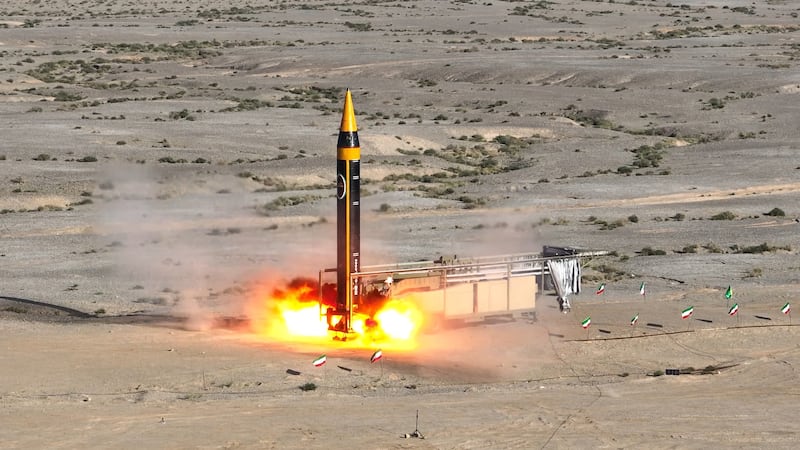
Since Burnham took office in July, his government has imposed sanctions on Israeli companies operating in the West Bank and formed a coalition of 12 countries supporting this step. The Prime Minister stated that Britain is ready to work with any new Israeli government 'if they cease violence, stop settlement construction on Palestinian land, and allow humanitarian aid to reach Gaza in necessary volumes.' 'It is right to advocate for a two-state solution before new settlements make it impossible,' he said. At the same time, Burnham spoke harshly about Tehran: according to him, Iran must not obtain nuclear weapons, 'slaughter its own people,' and threaten the region with impunity, while Britain supports mediators in reaching an agreement that will end the war, reopen the Strait of Hormuz, and prevent Iran from creating nuclear weapons.
Ukraine, Brexit, and the 'return of Britain'
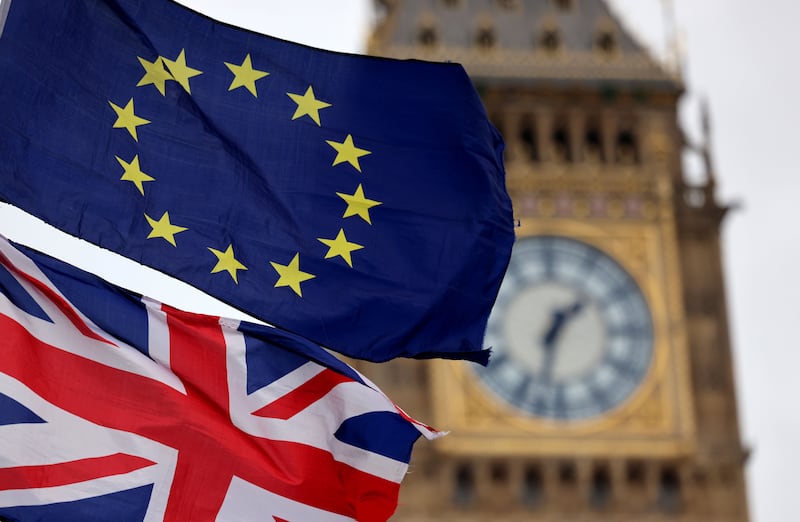
Addressing the Russian-Ukrainian negotiations that began last week in the UAE, Burnham promised to 'increase pressure on Russia' for a full and immediate ceasefire and to support Ukraine in negotiations 'with all our might.' He also promised that Britain would once again become a 'positive player on the world stage' and would use its presidency of the G20 summit next year to 'regain some of the lost goodwill.' Domestically, the Prime Minister sparked a sharp debate about a possible return to the EU, stating that Brexit 'did not work': 'We have lost more than we gained,' he said, adding that hard Brexit created barriers for business, undermined the country's economic potential, and reduced its global weight.