The key facts
- More than 300,000 young people in England, Wales and Scotland will take part in ten studies on the impact of the social media ban for minors
- The ban on access to Instagram, TikTok, Snapchat and other platforms will come into force in spring 2027
- The projects are funded by the Wellcome Trust; the first results are expected before the ban takes effect
Britain's largest study of the social media ban
More than 300,000 children and teenagers in the UK will take part in studies examining the impact of the upcoming ban on social media for under-16s on mental health. Ten projects have been launched in England, Wales and Scotland to cover diverse groups of teenagers. The work is funded by the healthcare charity the Wellcome Trust.
What and how will be studied
Researchers want to know whether teenagers will spend less time on their phones and what they will replace scrolling feeds with. To collect data, the researchers will use wearable devices, smartphones, digital diaries and surveys to assess young people's physical and mental reactions to the ban. A separate task is to find out whether teenagers will be able to circumvent the restrictions. Participants are being recruited with attention to diversity in gender and sexual orientation; the studies will also include people with pre-existing mental health conditions, such as anxiety and depression, and neurodivergent teenagers. Groups have been set up at Cardiff, Oxford, Birmingham, Edinburgh and Manchester universities, King's College London, the London School of Hygiene & Tropical Medicine and University College London.
Context of the ban and Australia's experience
The ban, which comes into force in spring 2027, replicates a model already introduced in Australia, where children are blocked from accessing platforms such as Instagram, TikTok, Snapchat, Facebook and YouTube. The Australian ban, in force since December last year, has not yet produced unambiguous results: supporters consider it a successful protection of young people from harmful content, critics consider it an excessively harsh measure. The forum Reddit and a digital rights group are challenging the law in an Australian court, arguing it is unconstitutional. There have also been reports that Australian teenagers are finding ways to circumvent the ban, and the British government has promised to ensure stricter blocking. Dr Camilla Bonnann, who leads the research at Wellcome, called the situation a 'once-in-a-generation' chance to study at scale how social media and its restrictions affect young people's mental health, emphasising that the question does not boil down to a simple choice between 'good' and 'bad': the teams will test whether changing the digital environment leads to meaningful changes in wellbeing. The results should help shape future online safety policy in the UK and beyond, with some data expected to emerge even before the ban takes effect.
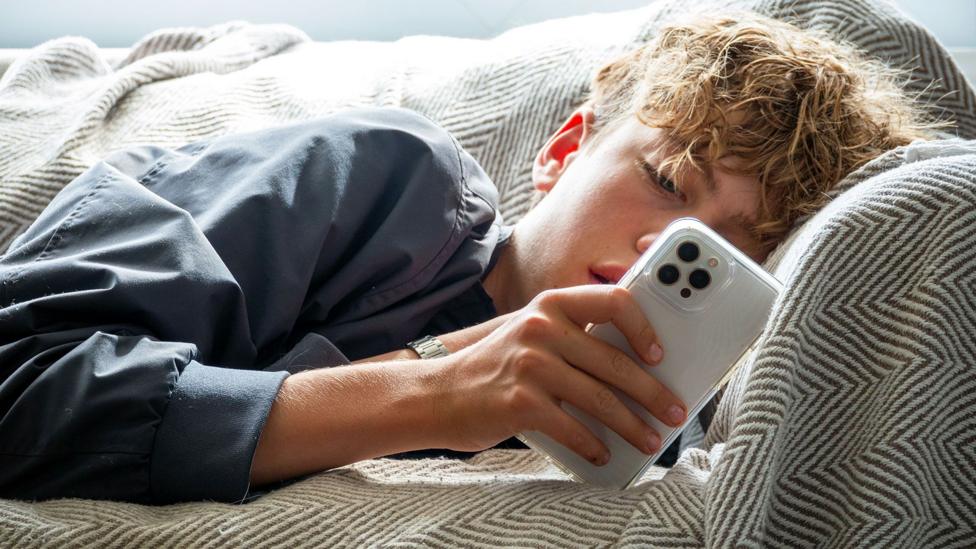 Image source, Getty Images
From Spring 2027, under 16s will no longer be able to access several social media applications
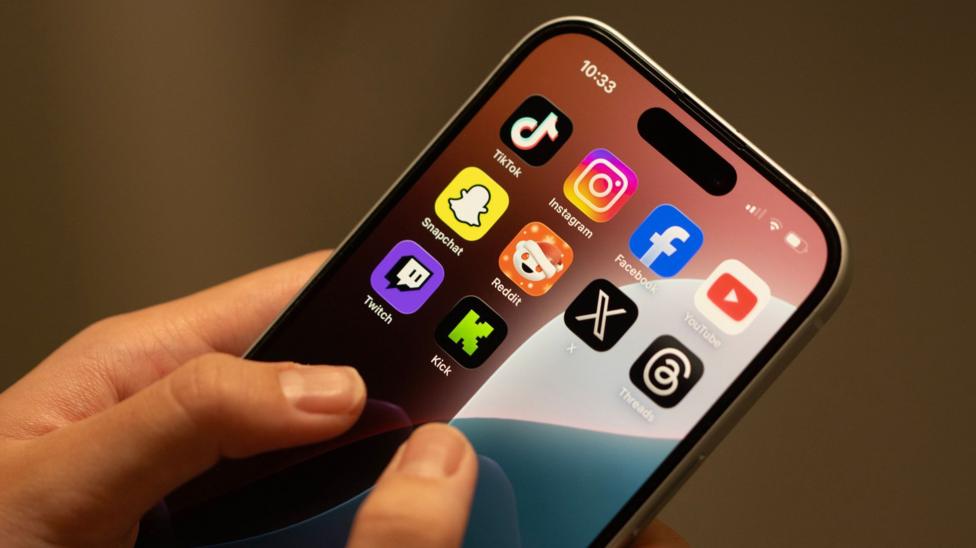 Image source, Getty Images
Apps such as Instagram, TikTok, Facebook, Snapchat and YouTube will be banned under new rules