The key facts
- The High Court granted Birmingham an interim injunction against attaching unauthorised flags to street infrastructure
- The injunction applies to Raise the Colours leader Ryan Bridge, Ben Cullen and unidentified persons until trial or further ruling
- A power of arrest without warrant is provided on suspicion of breach; contempt of court carries up to two years in prison, a fine or asset seizure
Court sides with the council
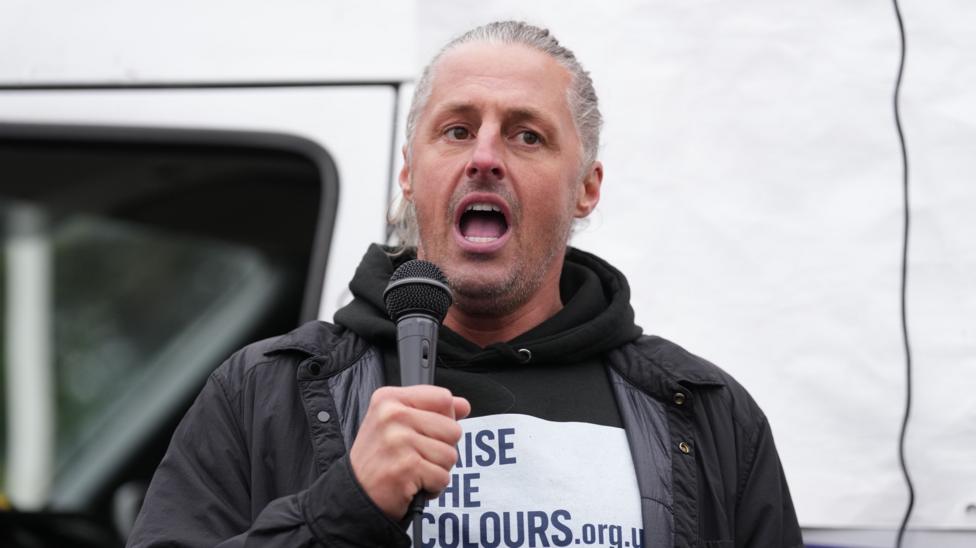
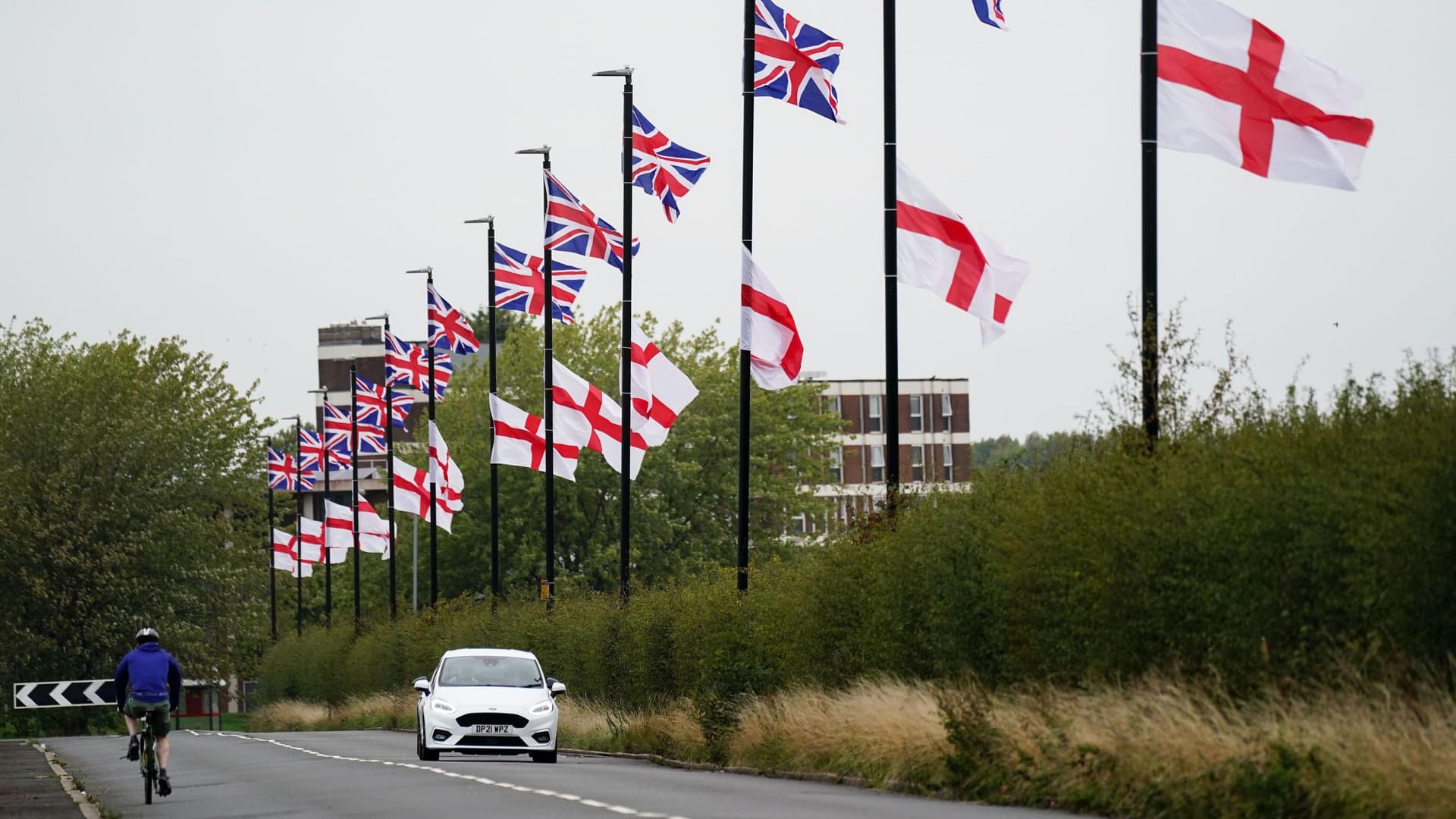
Birmingham City Council won a High Court case banning the unauthorised display of flags after a legal battle with activists from the Raise the Colours group. Since summer 2025, supporters of the group have placed thousands of St George's flags and Union flags on lampposts across the city. Judge Emma Kelly said there was a 'compelling need' for granting the interim injunction, noting that it was 'just and convenient'.
Contents of the ruling
The injunction was granted against Raise the Colours leader Ryan Bridge, Ben Cullen, who is associated with the group, and unidentified persons: they are barred from attaching flags to street furniture and road infrastructure within Birmingham. It remains in force until trial or further order of the court. A power of arrest was granted against Bridge and the unidentified persons: police may detain a person without a warrant on reasonable suspicion of breaching the injunction. The council said a violator could be imprisoned for up to two years, fined or have assets seized for contempt of court.
Judge: this is not a 'flag ban'
Kelly stressed that the ruling is not a 'ban on the Union flag' or Pride flags by the court or the claimant. Although the injunction covers flags of all types, its scope is limited to unauthorised flags attached to road infrastructure and related conduct within Birmingham's boundaries. In her words, activists' concerns about excessive restriction of expression were 'unfounded'. The application originally concerned all flags without council permission, including Palestinian and Pride flags.
Arguments of the parties
The council's lawyers argued that the flags pose a risk to road safety and heighten tensions. Council representative Jonathan Manning told the court that after a series of 'violent and threatening incidents', residents reported feeling 'significantly less safe'. The council said the flags could 'create safety risks, obstruct visibility and interfere with road objects', as well as 'contribute to tension and disorder'. Barrister Liam Wells, representing Bridge, countered that the council had not proven his client's actions unlawful and had not met the necessary legal threshold; he called the campaign an expression of political views protected by Articles 10 and 11 of the European Convention on Human Rights on freedom of expression and assembly, and the injunction a 'chilling effect' on those rights. Supporters of the group protested outside the court building.
Reaction
Council cabinet member Jane Baston called the injunction 'an important step' in addressing the problem of unauthorised attachments on roads and stressed that residents may still fly flags on their own property. Leader of Birmingham's Conservatives Robert Alden criticised the council, saying it 'should be getting basic things in order' by ending the bin workers' strike, and that Iranian flags appear on bridges without comment from the authorities, while residents are 'crushed' over St George's flags. The group Brummies United Against Racism & Hate Crime welcomed the ruling as 'long awaited', stressing that it is not against the flag but against those who 'pass racism off as patriotism'. Further consideration of the issues is scheduled in Birmingham on Thursday.
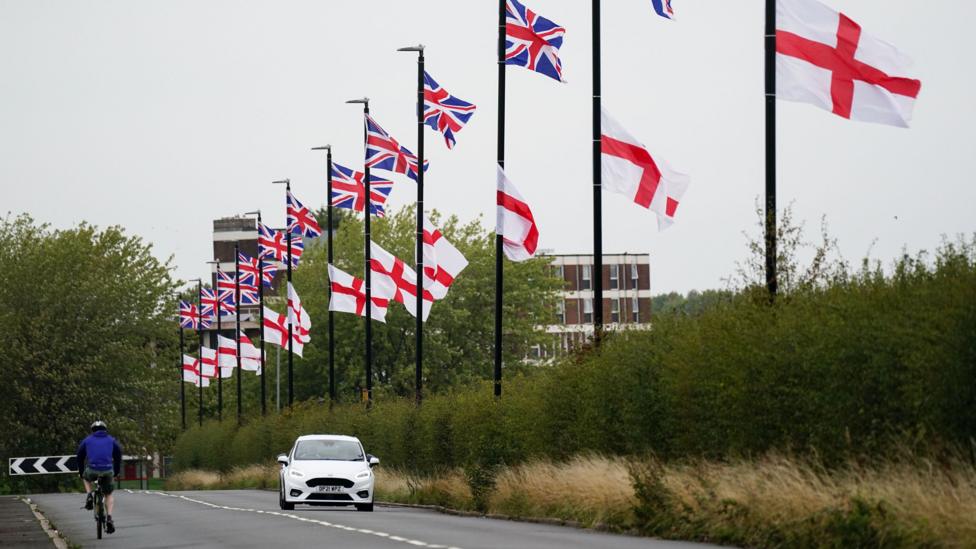 Image source, Press Association
The injunction sought to prevent Ryan Bridge and Raise the Colours from attaching flags and other items to public property
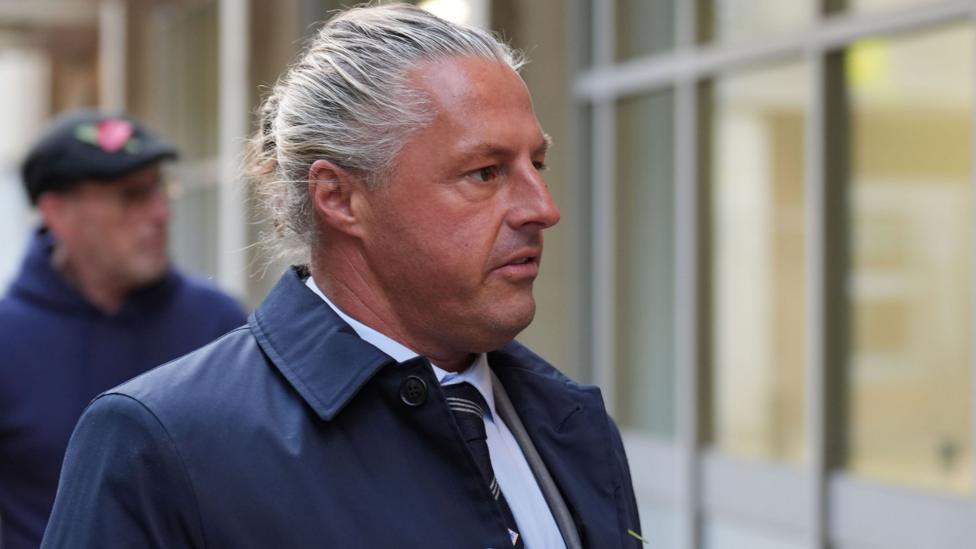 Image source, Press Association
Raise the Colours' leader Ryan Bridge had argued an injunction would breach the European Convention on Human Rights
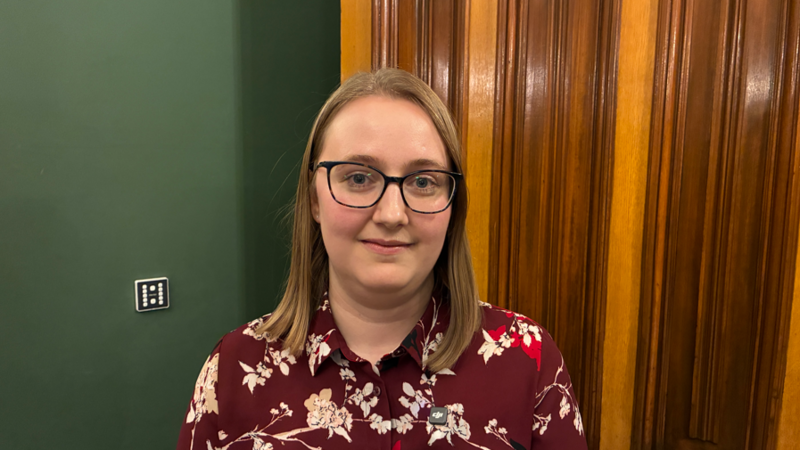
Councillor Jane Baston called the interim injunction an