The key facts
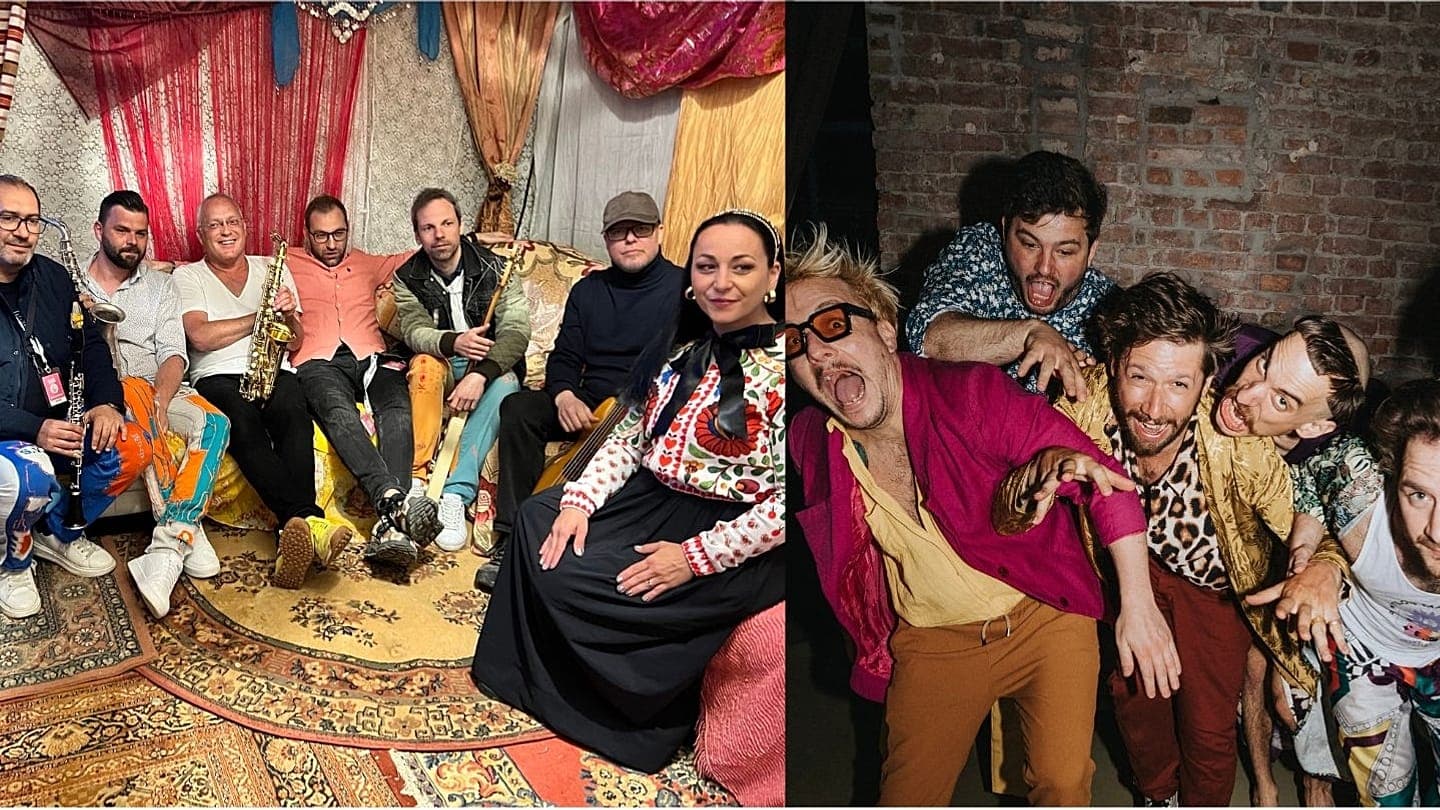
- Besh o droM and Bohemian Betyars will perform together for the first time — on 20 November in Brussels at the Balkan Trafik festival
- The concert will last 90 minutes; both bands draw on Balkan, Eastern European and Roma traditions
- Gergely Barcza: in the early 2000s the folk scene criticised the band for its 'disrespectful' treatment of traditions
First joint concert in Brussels
Two leading ensembles of the Hungarian world-music scene — Besh o droM and Bohemian Betyars — are preparing for a special joint concert at the Beurse hall in Brussels on Friday, 20 November. The performance takes place at the invitation of the Balkan Trafik festival, and for the first time the two bands will share the stage: they have been allotted a single 90-minute set.
Two approaches to one tradition
Both bands draw on Balkan, Eastern European and Roma musical traditions, but each has its own sound. Besh o droM, founded in Budapest in 1999, have developed a virtuosic, danceable style in which Hungarian, Romanian, Roma and Balkan motifs blend with Greek, Turkish and Middle Eastern influences. Bohemian Betyars, formed in 2009, describe their genre as 'speed-folk-freak-punk': they combine Hungarian folk, Roma and Balkan melodies with punk, ska and psychedelic rock.
'Audience, get ready for a big party'
Ahead of the Brussels performance, Besh o droM founder Gergely Barcza said that audiences can expect 'a really big party'. According to him, over 27 years the band has always built its performances around partying, dancing and a good atmosphere, and this has worked well, while Bohemian Betyars carry a very similar energy. 'The bands are very similar, with a similar level of energy. True, they are crazier than us. What they do on stage is really intense,' he noted.
From rejection by the folk scene to representing Hungary abroad
For both bands, the audience in Hungary spans several generations, and demand for Balkan music abroad, according to Barcza, is constant — both in Europe and beyond. He recounted that in the early 2000s Besh o droM faced strong resistance in traditional music circles: colleagues reproached the band for treating Hungarian folklore disrespectfully and for taking it abroad. At the same time, Barcza emphasises, the band reinterprets Hungarian folk songs, all of its songs are performed in Hungarian or Roma, and abroad it represents Hungary and Hungarian music specifically.
'We come from one culture'
Barcza also observed that from a Western perspective the cultures of Central Europe and the Balkans look very similar, so the peoples of the region could treat their neighbours with greater warmth. 'At home we feel a big difference between Romanian, Serbian or Bulgarian culture and our own. But once you step outside the region, the difference is no longer so great,' he said. According to him, after concerts abroad people may feel that these peoples and cultures 'make up one team', and that is something to be proud of.