The key facts
- 69 people were found guilty: 64 sentenced to life imprisonment and 5 to 15 years; 60 of them are Shia clerics
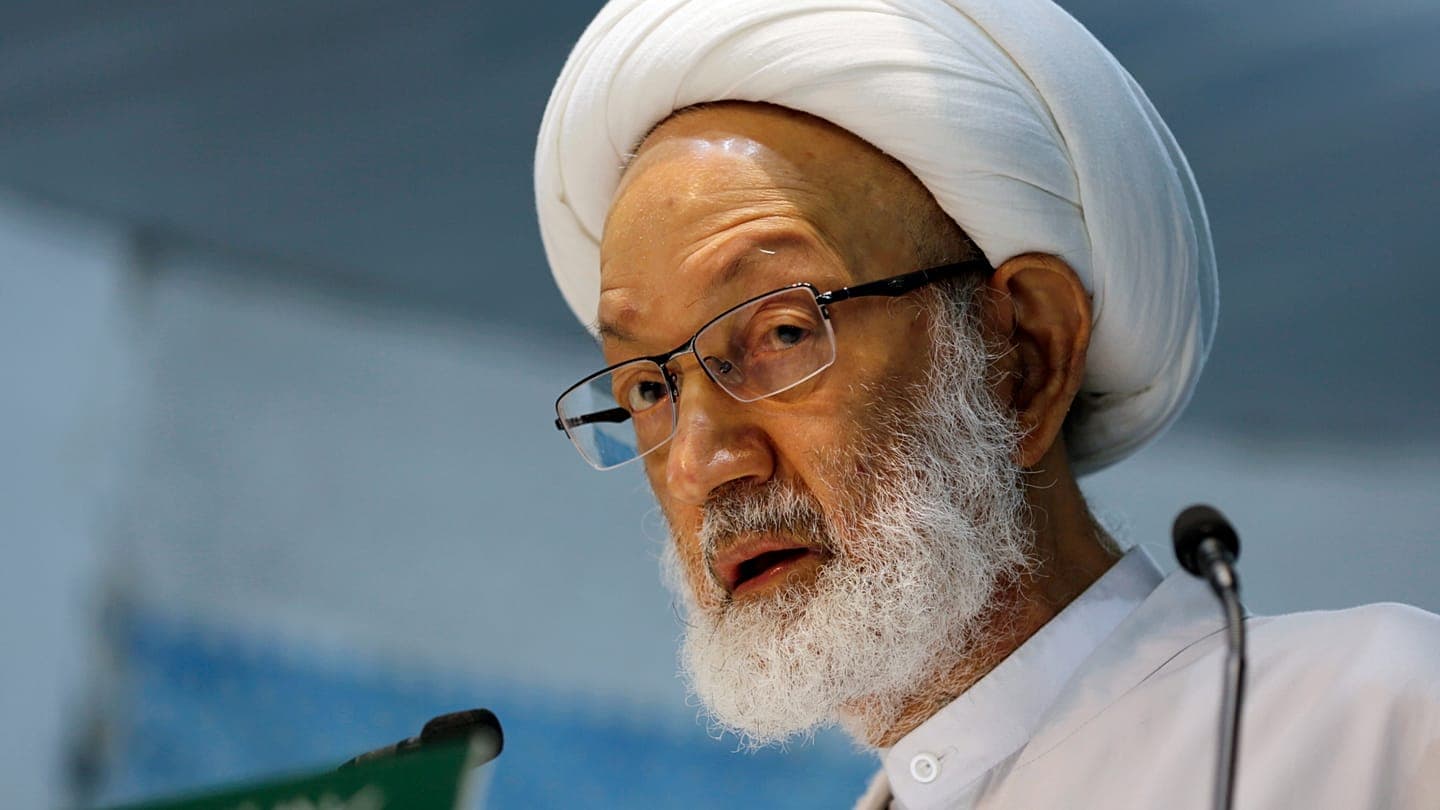
- Among those convicted in absentia is Sheikh Isa Qassim, the leading religious figure of Bahrain's Shia community, who lives in Iran
- 20 human rights organizations, including Amnesty International and Human Rights Watch, demanded an investigation into torture allegations; Bahrain and the GCC rejected the criticism
Verdict in the alleged plot case
A Bahraini court on Monday sentenced 64 people to life imprisonment in a case over an alleged Iran-backed plot to overthrow the government. Five more defendants received 15 years in prison each. According to the UK-based Bahrain Institute for Rights and Democracy (BIRD), a total of 69 people were convicted, including 60 Shia clerics. Thirteen defendants, among them Sheikh Isa Qassim — the leading religious figure of Bahrain's Shia community, who lives in Iran — were tried in absentia.
Charges and court sanctions
The prosecution argued that the defendants had formed and run a terrorist group linked to Iran's Islamic Revolutionary Guard Corps (IRGC). They were accused of raising money without permission and using mosques, sermons and charitable organizations to promote loyalty to Iran's leadership. The court also fined some of the defendants 100,000 Bahraini dinars (about 240,000 euros) and ordered the confiscation of more than 8 million dinars (about 19.2 million euros) for charitable purposes.
Torture allegations and court procedure
Before the verdict was delivered, 20 human rights organizations, including Amnesty International and Human Rights Watch, called for an independent investigation into torture allegations and for the exclusion from the case of confessions obtained under torture. According to these organizations, the defendants described prolonged detention with blindfolds, sleep deprivation and threats against them and their families; some said they were interrogated without lawyers and forced to sign documents they were not allowed to read. Defense lawyers, the organizations said, could not obtain copies of the case materials and had to take handwritten notes under strict time constraints.
The parties' positions
Bahrain's Public Prosecutor stated that throughout the investigation and trial it upheld the defendants' legal rights: the detainees' lawyers attended hearings, reviewed evidence, questioned witnesses and presented arguments. BIRD reported that the court, at the prosecution's request, moved the delivery of the verdict forward from 22 November to an earlier date, and the defense lawyers were notified of this the evening before. The British government earlier last week said it was aware of concerns about the trial and regularly discusses human rights with Bahrain, including fair trial guarantees.
International reaction
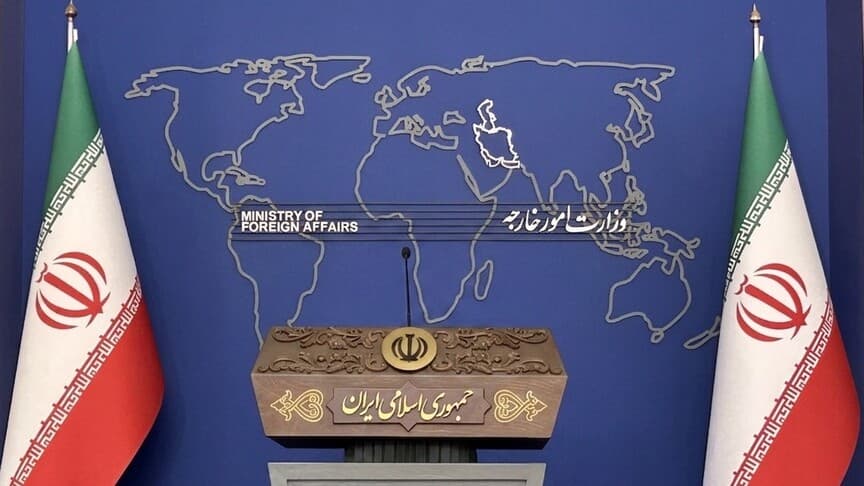
Iran's Foreign Ministry on Tuesday condemned the court's decision as a violation of human rights and rejected accusations of the defendants' ties to Tehran. Bahrain dismissed the criticism, saying its courts assess criminal acts rather than religious beliefs and that the defendants were afforded the guarantees provided by law. On Wednesday, Jasem Mohamed Albudaiwi, Secretary General of the Gulf Cooperation Council, expressed the bloc's confidence in Bahrain's judiciary and accused Iran of interfering in the country's internal affairs.
Context
Bahraini authorities arrested dozens of Shia clerics and religious preachers in May and June, accusing them of attempting to overthrow the government with Iran's support. Bahrain, where the US Fifth Fleet is based, was subjected to missile and drone strikes by Tehran during the war with Iran. Shia Muslims make up the majority of the country's population, which is ruled by a Sunni royal family — against this backdrop, cases against the Shia clergy are traditionally perceived acutely. The materials in the case come mainly from BIRD, the prosecutor's office and officials; no independent verification of the parties' claims is available in the published reports.